
What To Consider When Choosing Long-Lasting Decking
Choosing the right decking for your UK garden is a decision that sticks with you; quite literally, if you go with timber. Between our glorious damp spells, surprise heatwaves, and the occasional barbecue mishap, British gardens demand materials that can cope with a bit of everything. So which options are truly built to last?
Let’s break down the most common types and uncover what really holds up against the elements, foot traffic, and the tests of time.

Timber Decking Is Rustic, But Risky
There’s no denying the charm of natural wood. Timber decking offers warmth and traditional appeal, especially for country-style or cottage gardens. But charm doesn’t always mean endurance.
Wood is porous, which means it loves to soak up moisture. That leads to rot, warping, and even splintering. Treating it regularly with oils and stains can slow the process, but this adds ongoing maintenance to your garden to-do list. And with modern alternatives available, many are now seeking more forgiving options.
If you’re set on wood, go for hardwood varieties. They’re denser and more resistant to decay than softwood. Still, even premium timber can fade and split if not maintained properly.

Composite Decking For Modern Durability With Style
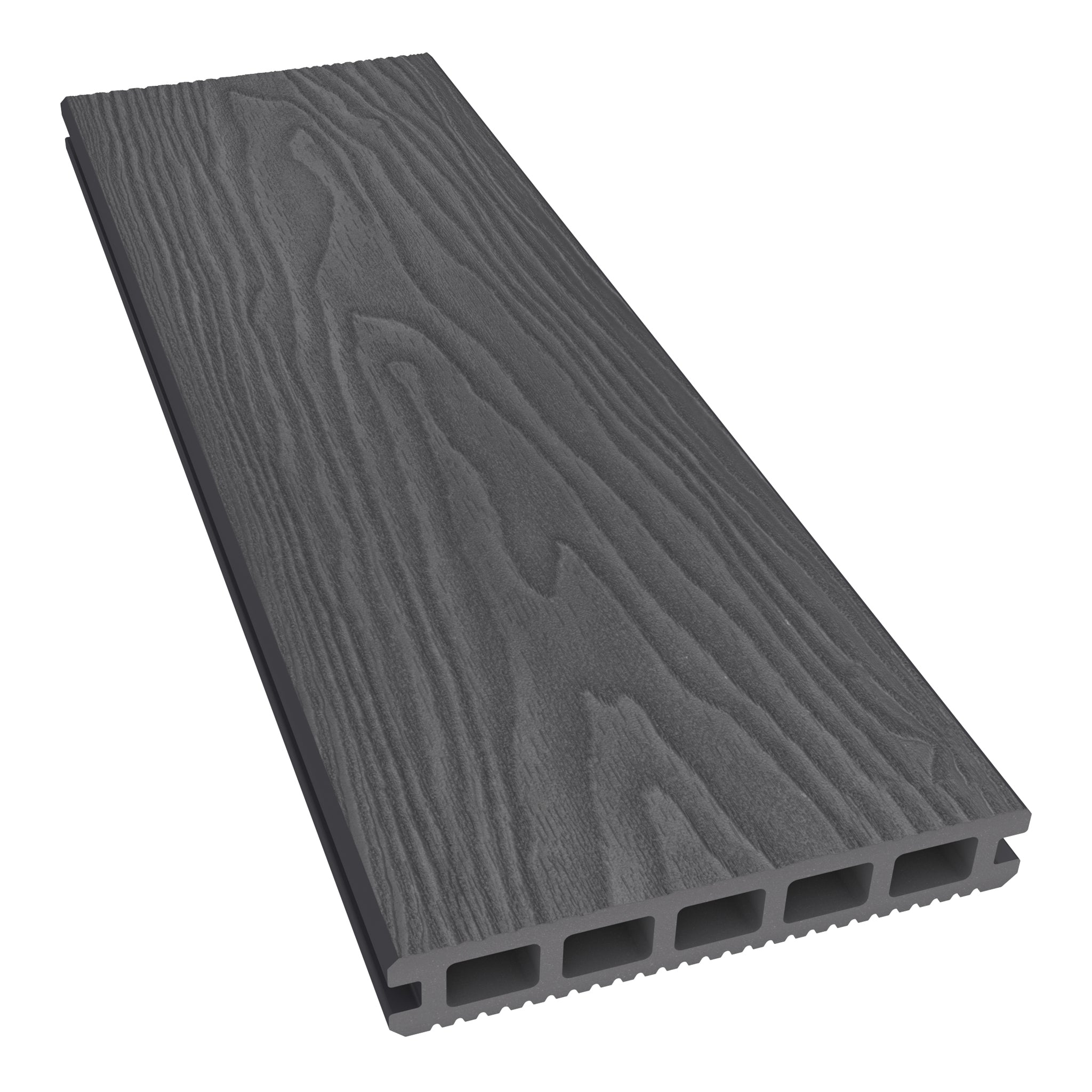
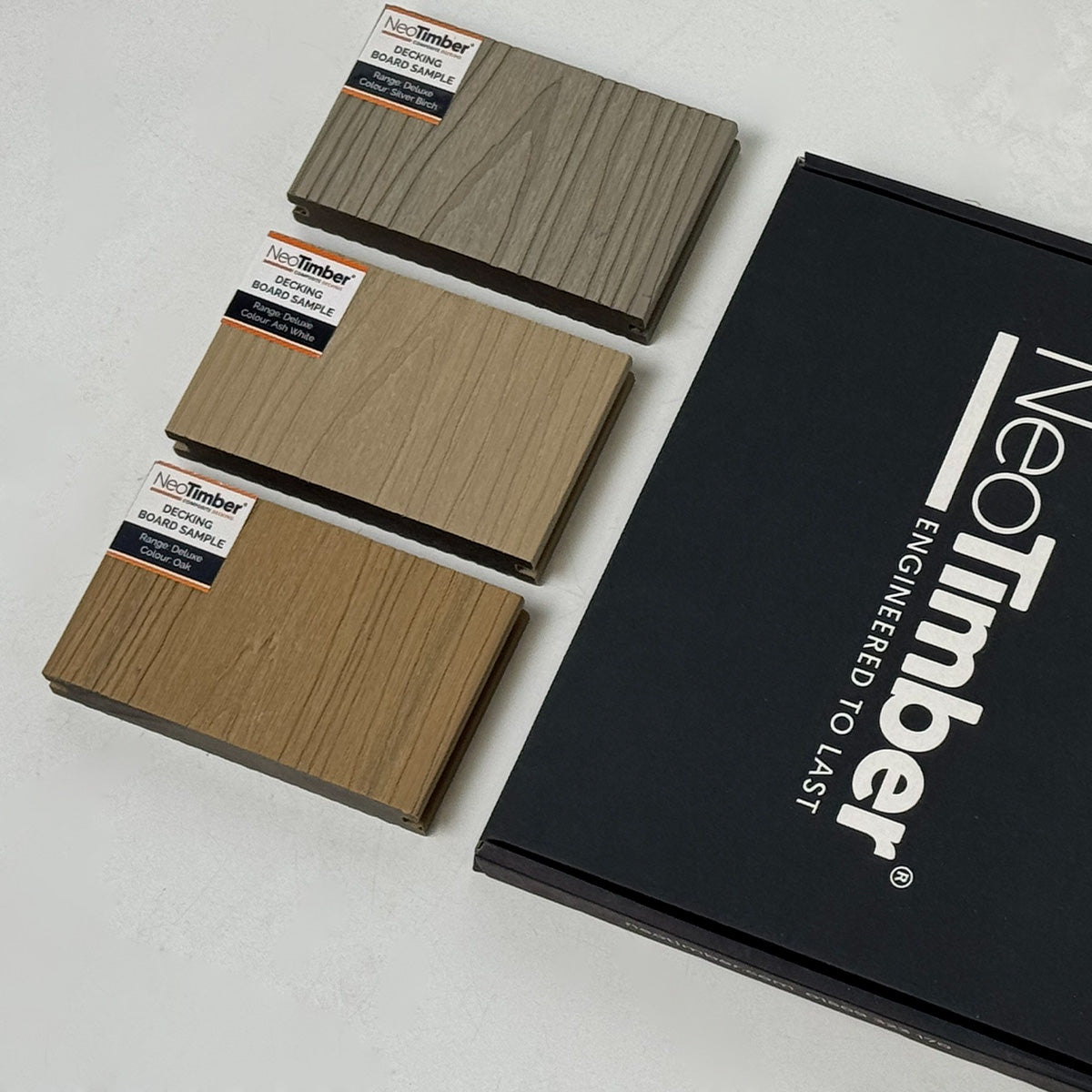
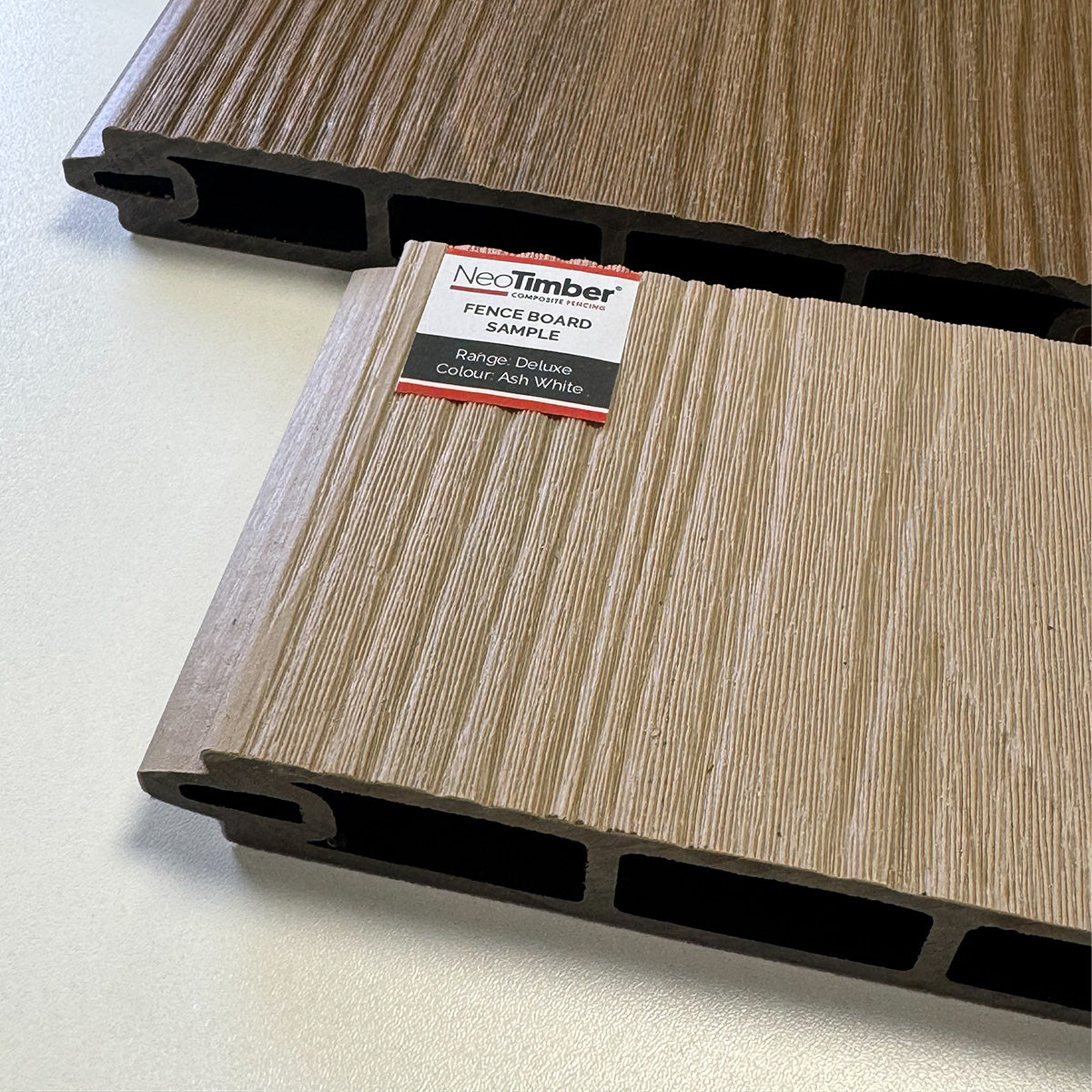
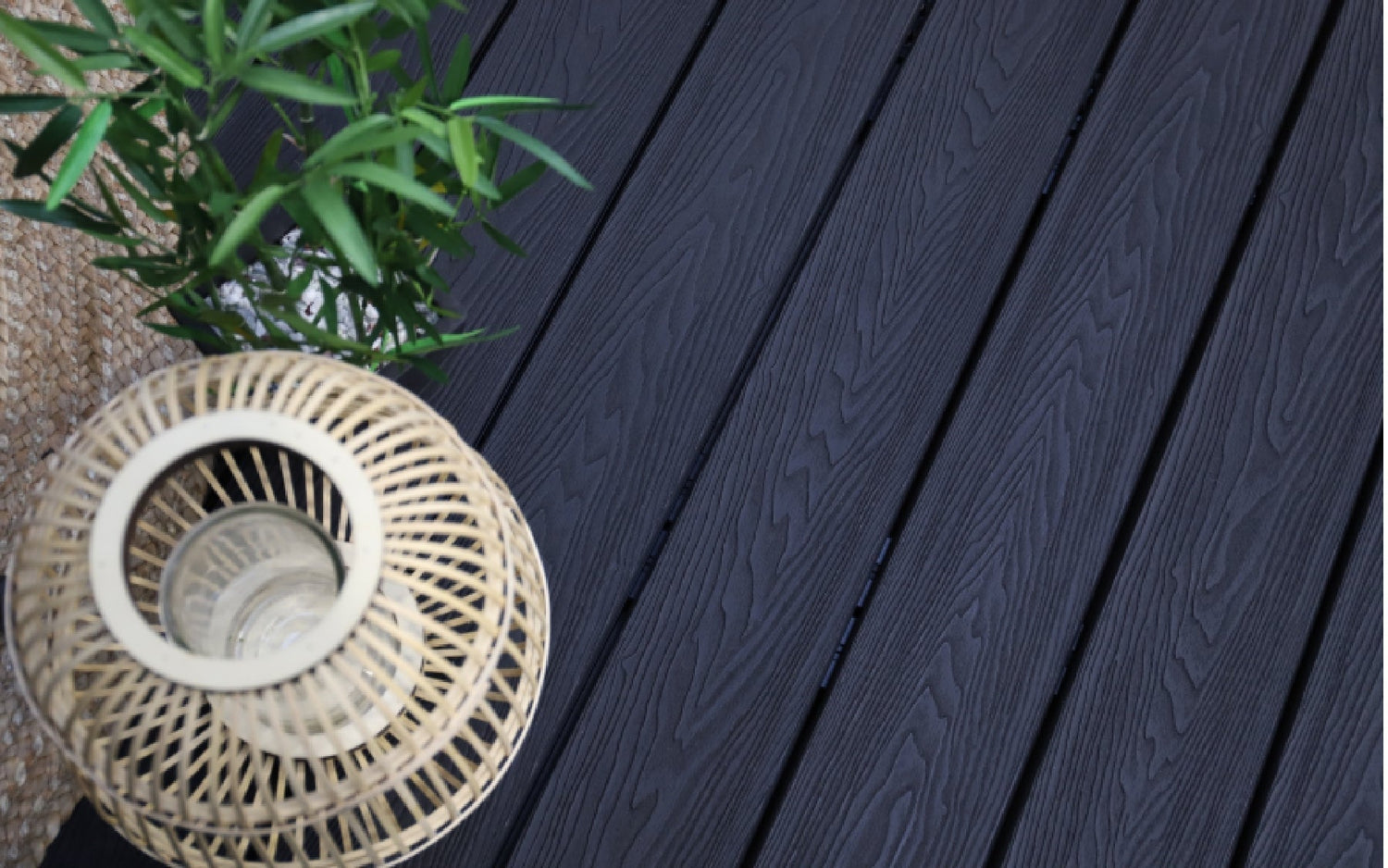
Enter the hero of long-lasting decking: composite. It blends wood fibres with plastic polymers to create boards that look like timber but act like armour. NeoTimber® composite decking is engineered for resilience with style.
Unlike timber, composite doesn’t absorb water, so it won’t swell, rot, or splinter. It resists fading, cracking and insect damage. The result? A low-fuss, long-term solution that stands up to British gardens with ease.
Options like
PVC And Plastic Is Lightweight But Limited
Some look to PVC and other plastic-based boards as a low-maintenance alternative. These are light, water-resistant and don’t require painting or sealing. But while plastic decking can be convenient, it often lacks the visual appeal and sturdiness of composite.
A slick plastic surface may also pose slip risks, especially in wet weather. If you opt for this material, look for anti-slip finishes and structural reinforcement. It’s also worth comparing against more refined options like

Concrete Solid But Stark
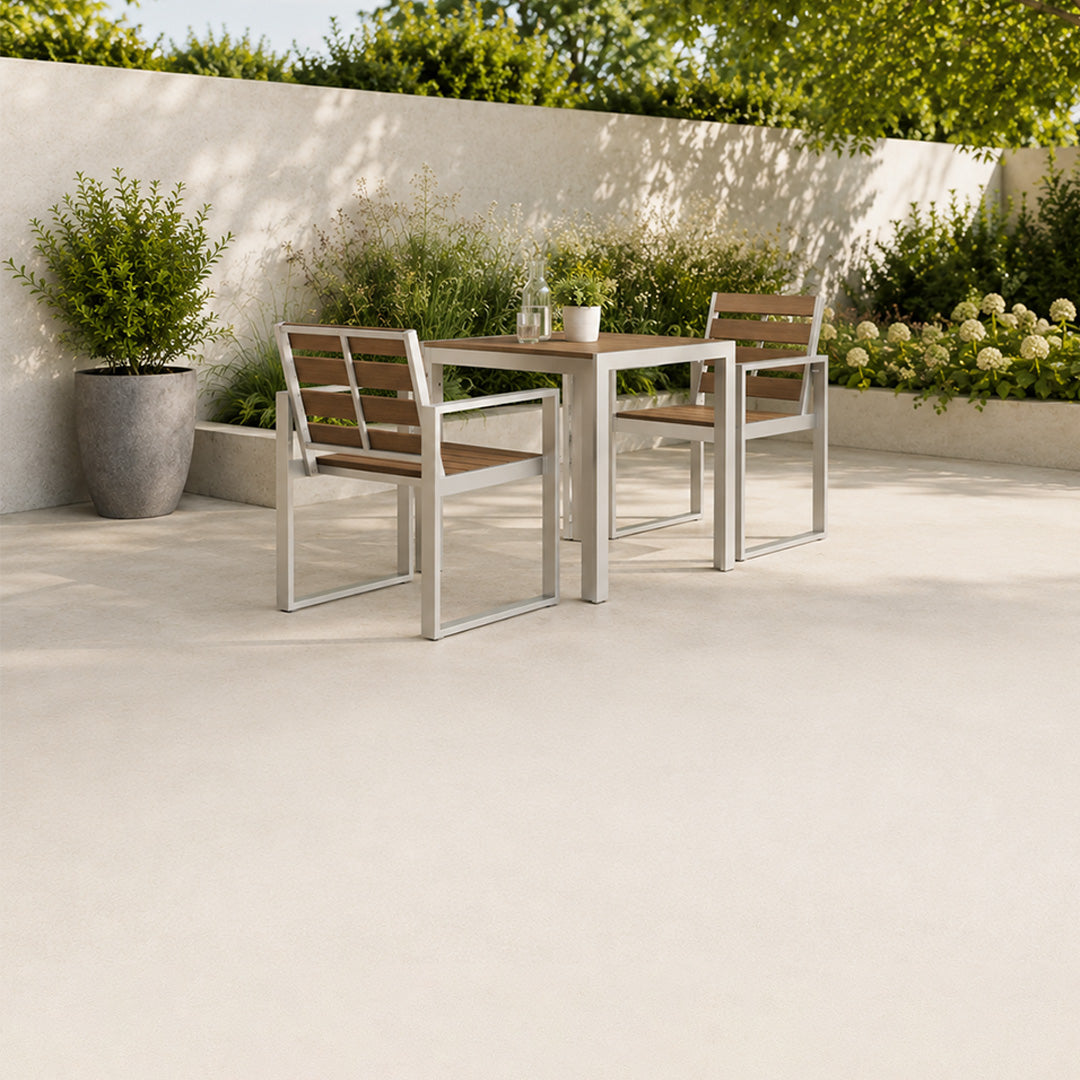
Yes, concrete is technically an option, and with pavers, weeds are guaranteed. It’s undeniably durable and weatherproof, but it lacks warmth and charm. For contemporary or industrial-style gardens, it may fit the brief. However, it’s not a particularly flexible or forgiving material, and retrofitting lighting or accessories can be tricky.
Still, if absolute strength is your only priority and looks come second, concrete could hold appeal. Just bear in mind the installation effort and limited design potential.
Aluminium Decking Durable With A Modern Edge
Aluminium is a popular choice in commercial settings and high-rise projects due to its impressive
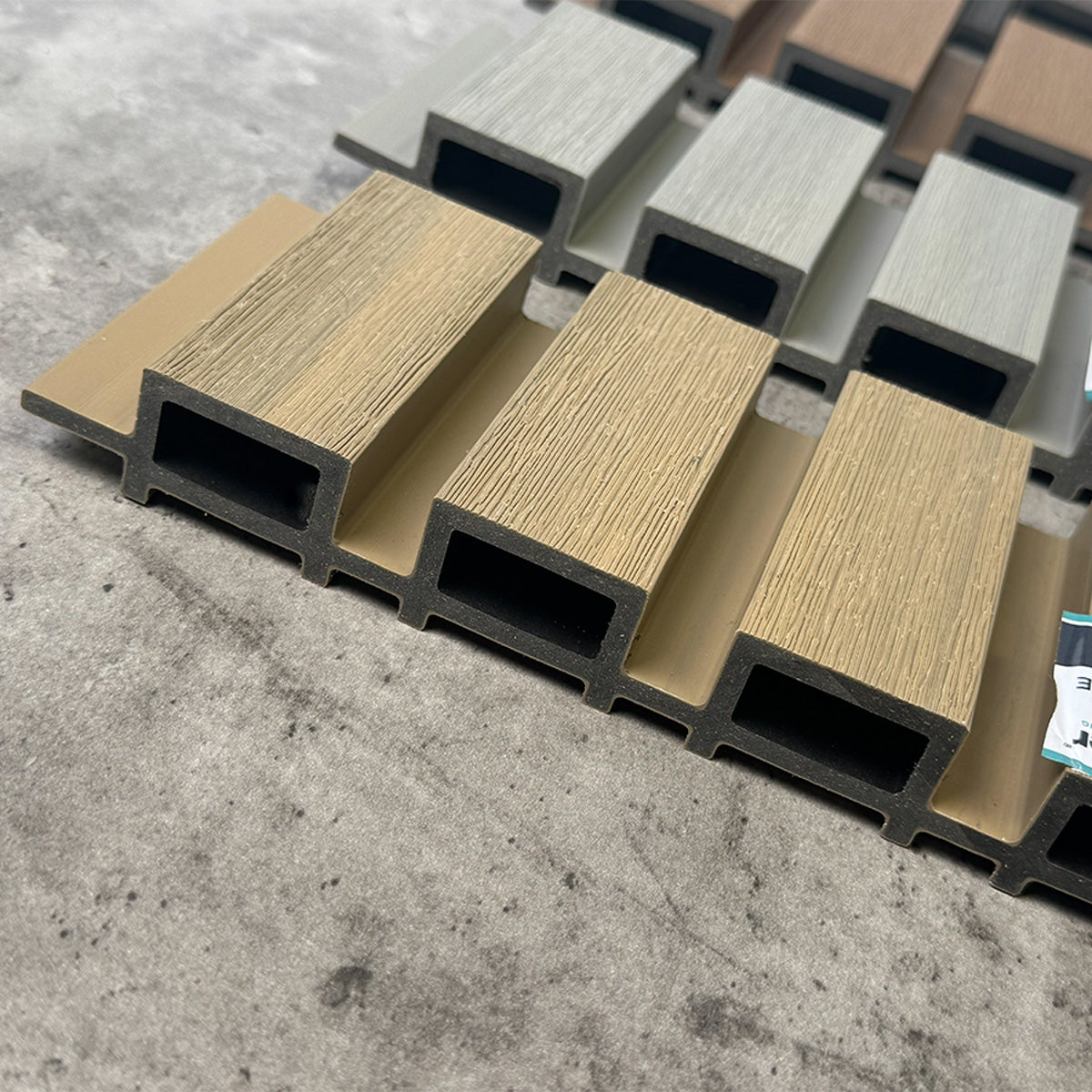
Thanks to its corrosion resistance and long-term strength, it’s well-suited to balcony and rooftop applications. Today’s aluminium boards also feature a beautiful wood grain finish that adds visual warmth without compromising on performance. While it may feel cooler underfoot and slightly more industrial, it offers a sleek alternative where safety and style are both essential.
What To Look For In Durable Decking
When evaluating the most durable decking, it’s not just about strength. Consider:
- Resistance to moisture and mould
-
Fade and scratch resistance - Slip resistance in wet weather
- Structural integrity over time
- Low maintenance requirements
- Design versatility
This is where composite often edges out the competition. It covers all the above while delivering a refined finish that suits everything from
Creating A Long-Lasting Outdoor Space
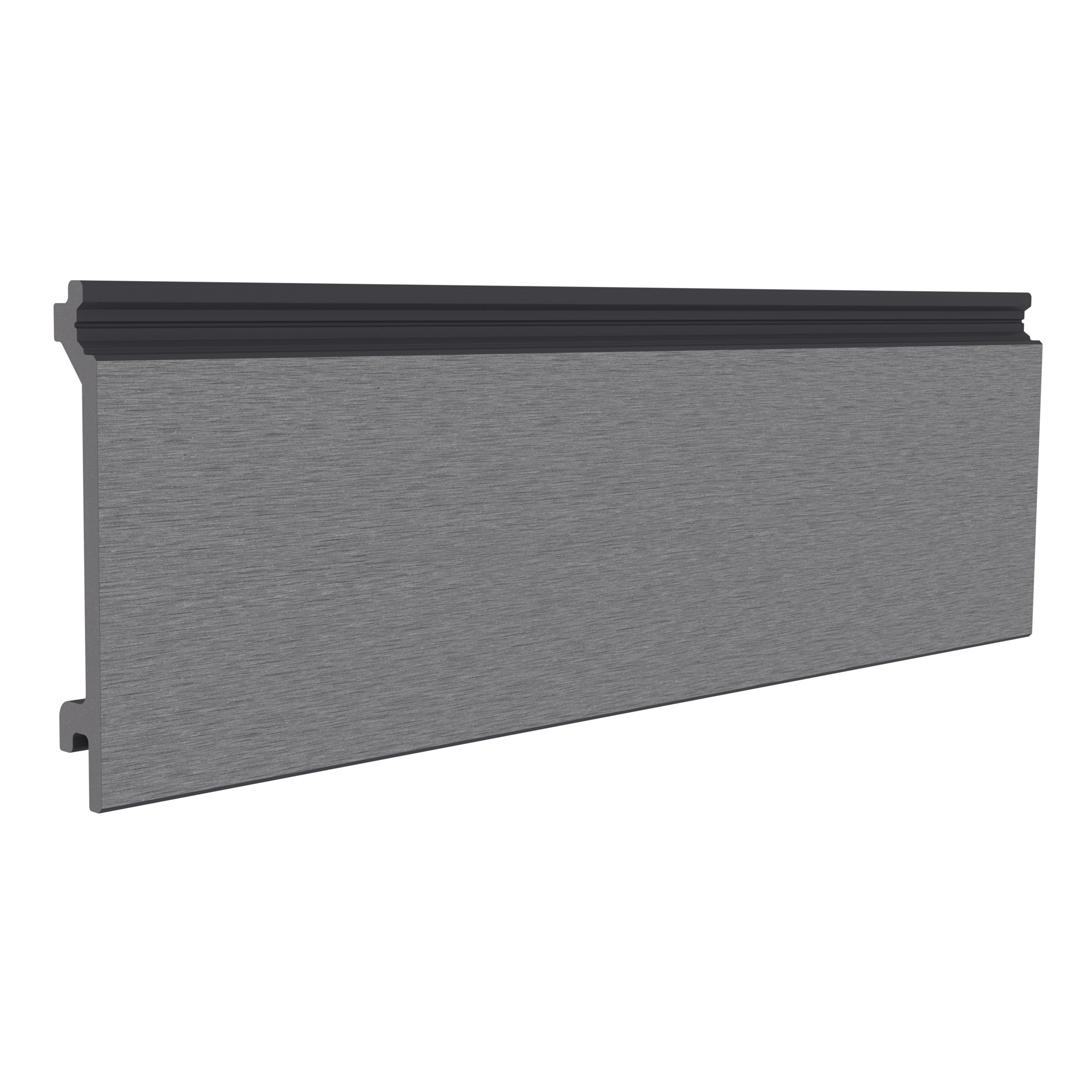
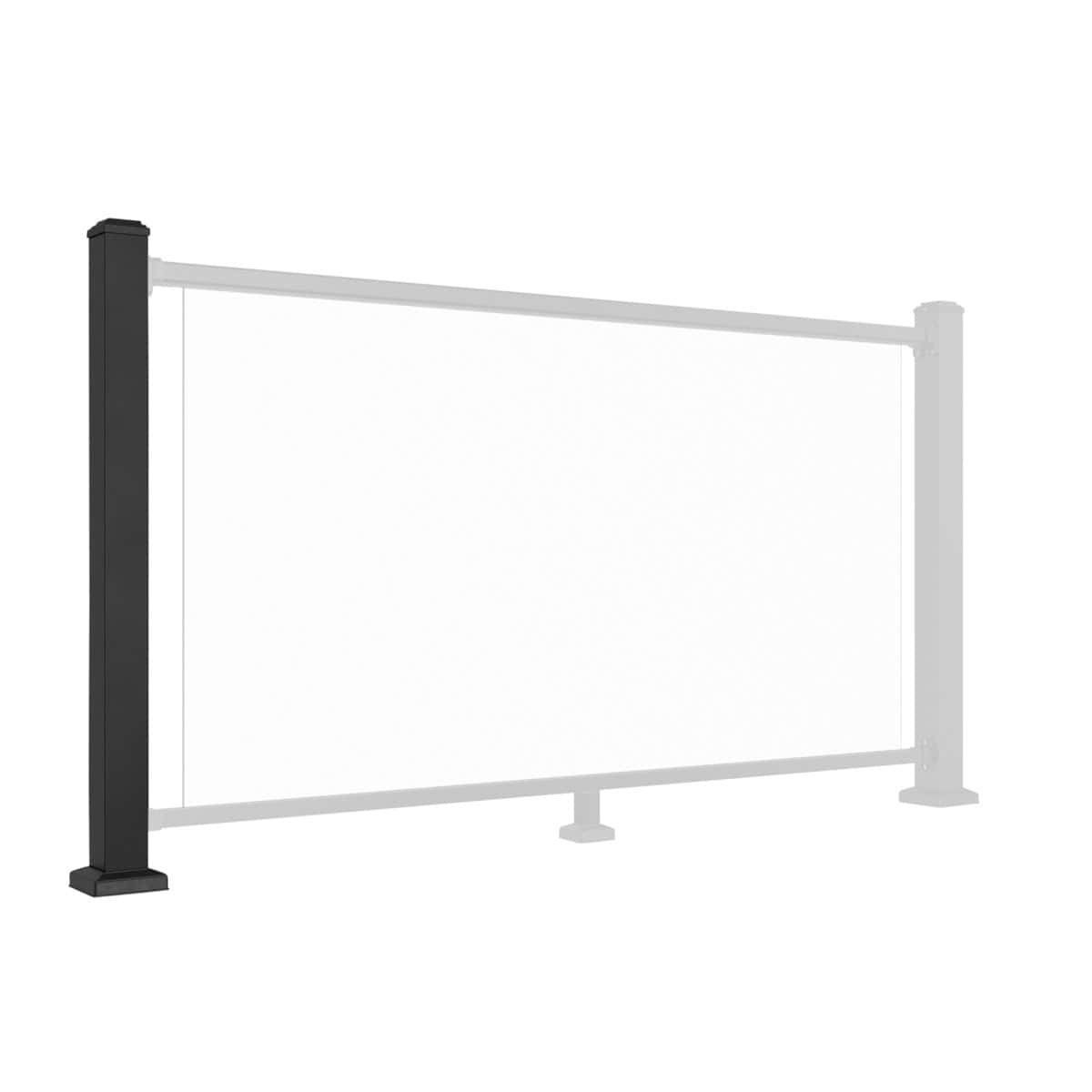
Durability isn’t just about avoiding rot. It’s about building a space that looks great year after year without constant repairs. That’s where clever details like
Whether you’re designing a sleek
If you're unsure which direction to take, start with your space. Balcony or garden? Urban or rustic? Then weigh up how much maintenance you're willing to commit to. With smart decking options like composite and aluminium now offering everything from natural tones to bold finishes, it’s easier than ever to create an outdoor space that’s both beautiful and built to last.
The Final Word
So, which decking stands the test of time? While timber has its charm and concrete its strength, composite strikes the winning balance between durability, appearance, and ease of upkeep.
In the battle of the boards, composite isn’t just a modern alternative, it’s the standout option for UK gardens that need to thrive in all seasons. Combine smart design with clever materials, and your outdoor space will thank you for years to come.