


The Importance Of A Solid Decking Base For Longevity And Stability
A wobbly deck is no one’s idea of fun, unless you enjoy your morning coffee with a side of vertigo. A solid decking base is the unsung hero of any great deck, and frankly, it deserves a bit more attention. Get the base right, and everything else follows.
Here are some tips to help you master the groundwork, whether installing garden composite decking, balcony decking, or a full outdoor platform. A properly installed decking base contributes to the deck’s overall longevity.
Why The Decking Base Really Matters
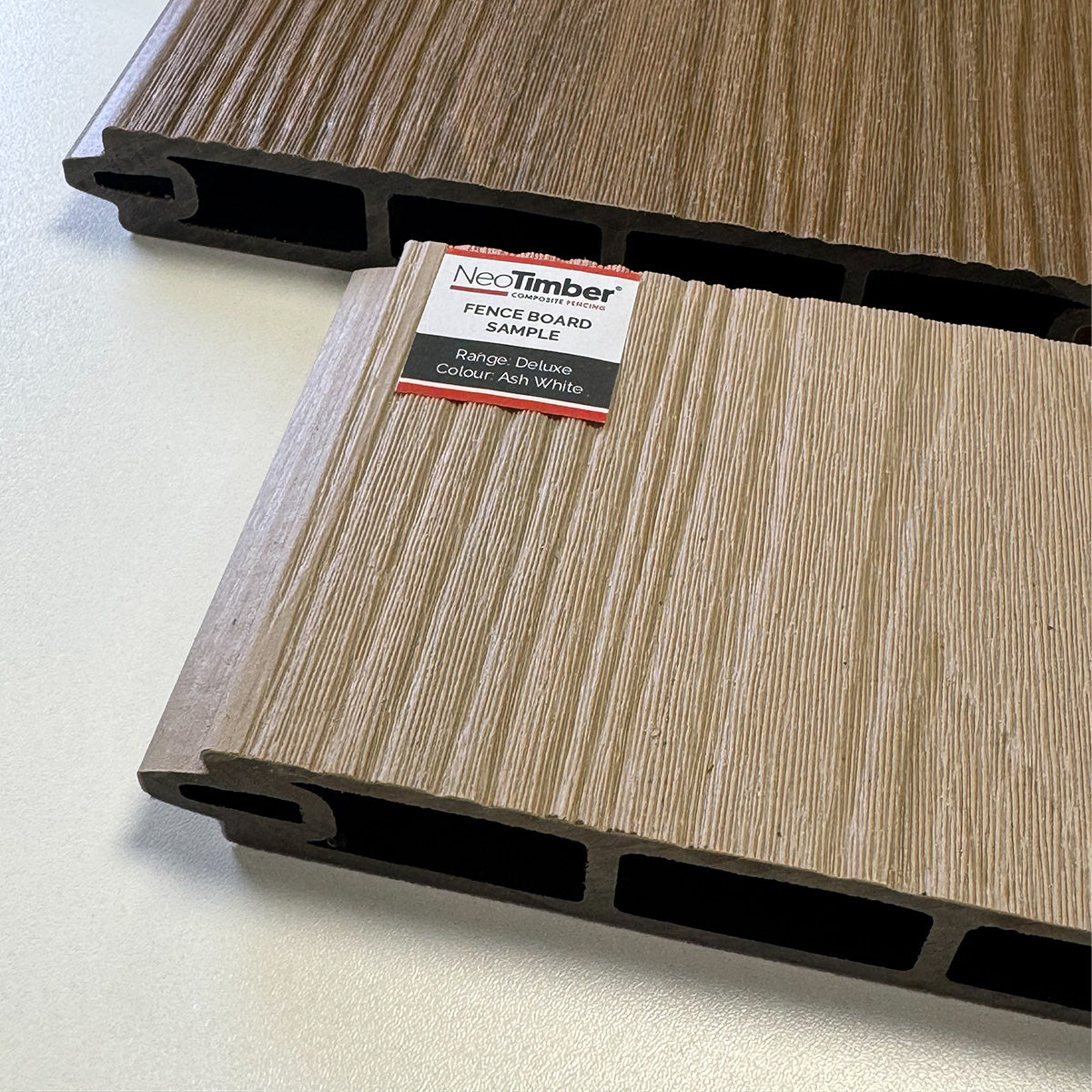
The decking base isn’t just a step to get through on the way to boards. A level and stable decking base supports everything including weight, weather, wear and tear. It ensures your composite decking boards last longer, remain level, and resist distortion. With the correct decking base, structural movement and warping are reduced.
A poor start beneath your deck leads to a poor result on top. Whether you’re building over uneven ground or preparing for heavy use like hot tub decking, your foundation will dictate durability.
Survey Your Space: First Steps Before You Build
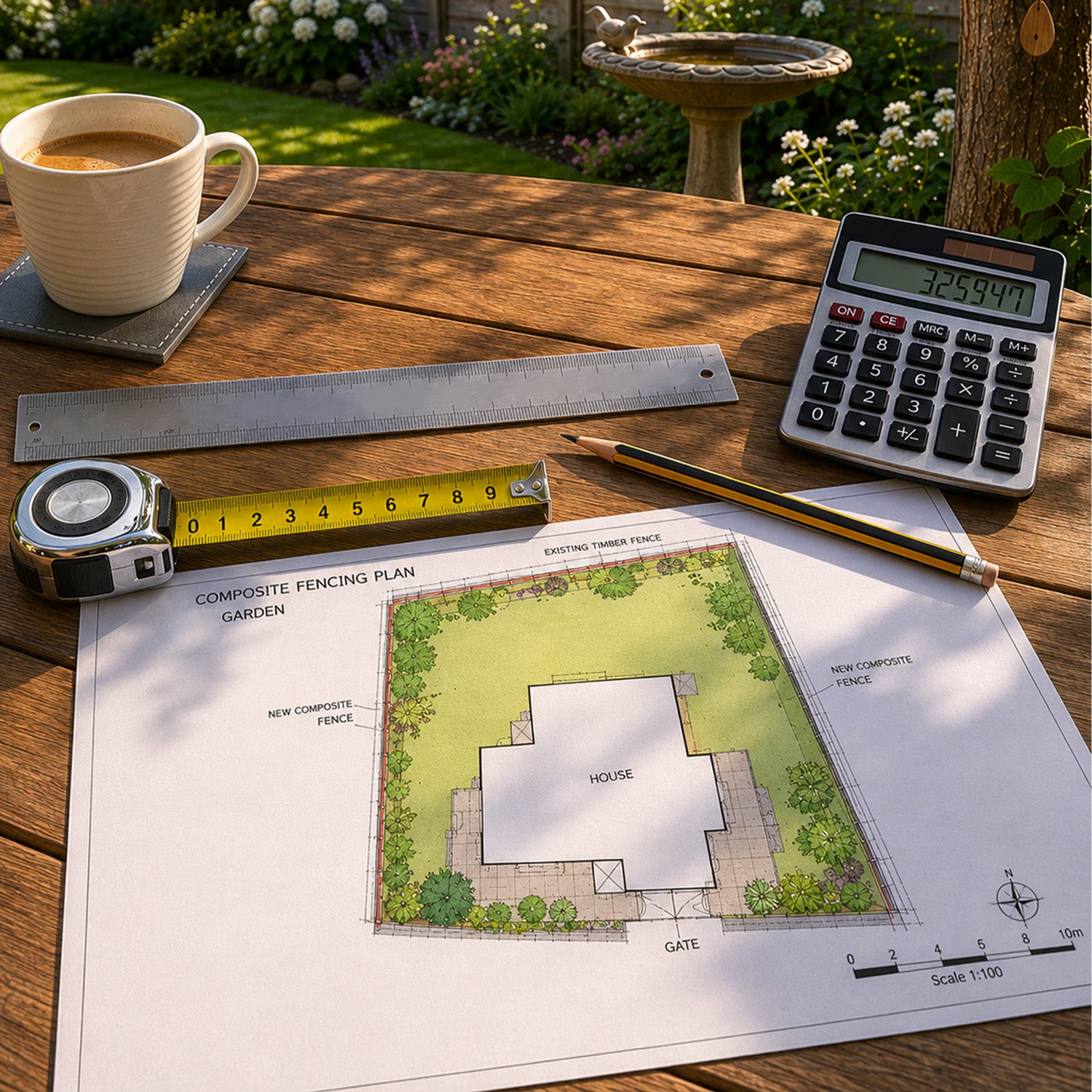
Before reaching for a spade or spirit level, assess the area. Is it sloping? Clay-heavy? Packed with deep-rooted weeds?
Key considerations:
- Ground type: Soft, clay, or gravel? These influence your subframe material.
- Drainage: Poor drainage beneath raised composite decking leads to pooling and instability.
- Access: Will components be carried in or passed under tight gaps?
In home garden projects and mobile home decking, even small differences in ground quality affect your decking base choice.

Choosing The Right Decking Base: Options And Trade-Offs
Base types are chosen to meet ground conditions, lifespan expectations, and required strength. A decking base suited to the environment improves long-term performance.
Timber Joists
A traditional option, timber joists require treatment and periodic checks; however, they are susceptible to decay. Choosing materials based on your decking base needs strengthens the entire installation.
Composite Joists
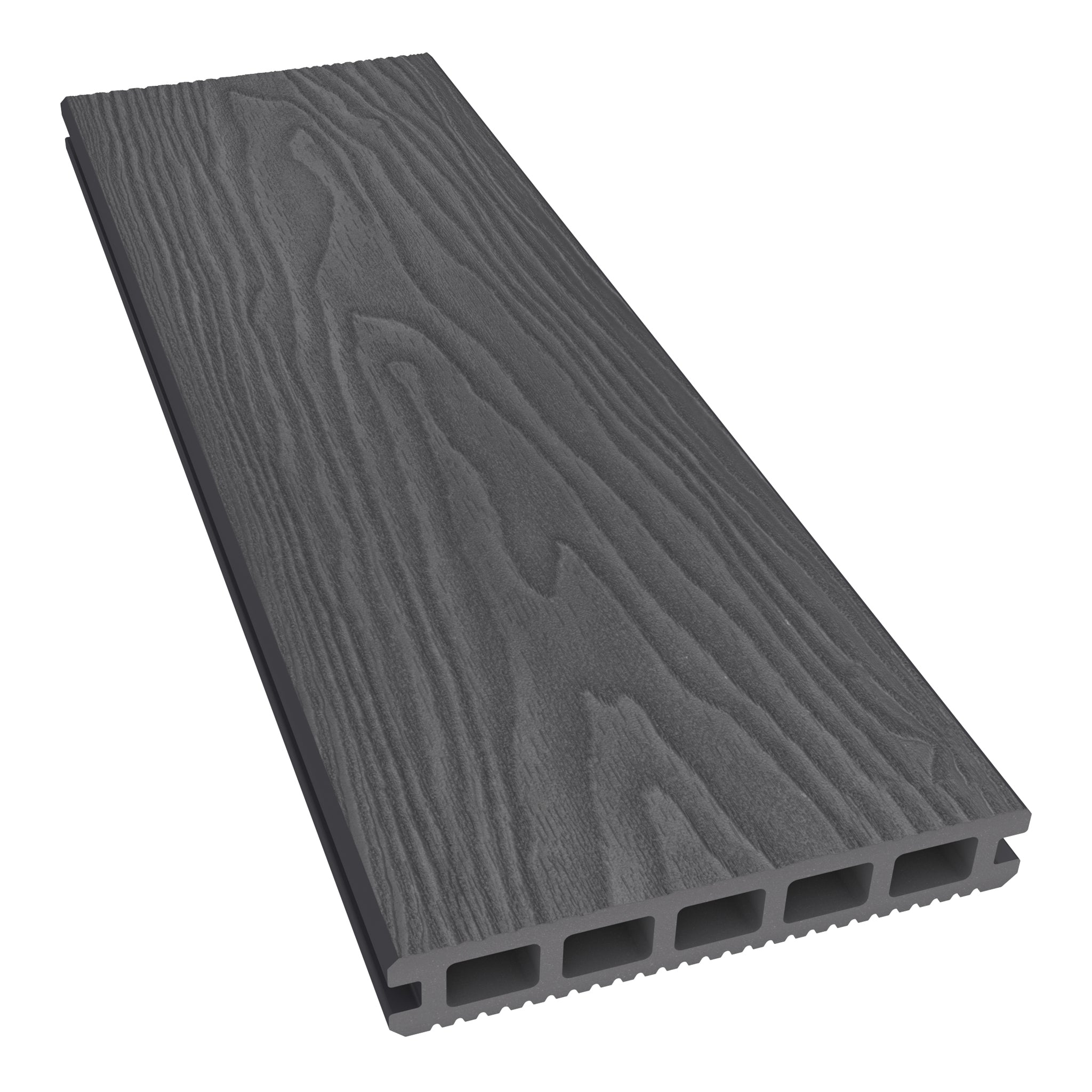
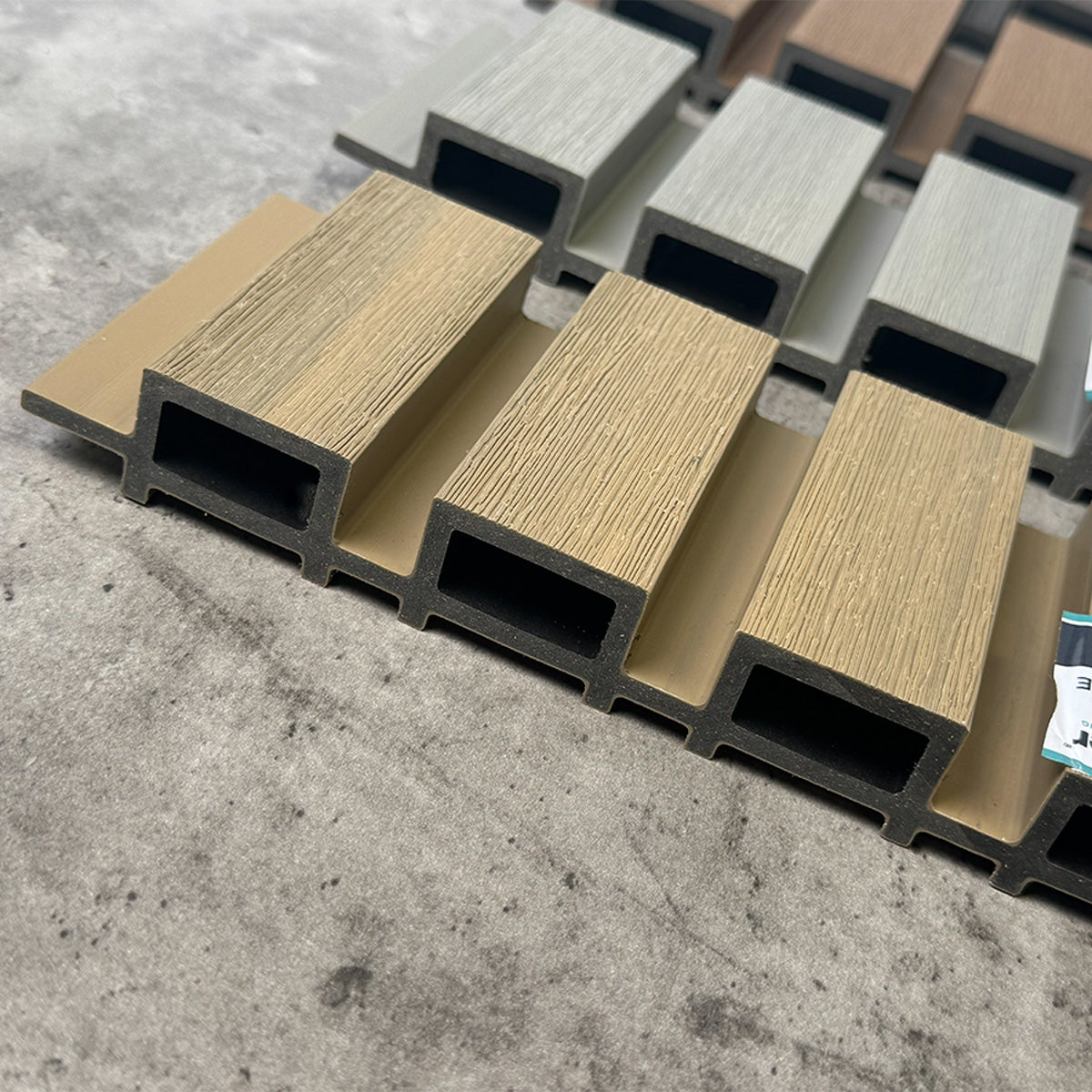
NeoTimber® composite joists are moisture-resistant and dimensionally stable. Often used in maintenance-free decking builds, they create a level decking base that helps prevent board misalignment.
Adjustable Pedestals
Used in uneven or sloped areas, adjustable pedestals allow a level deck without excavation. They are commonly used in rooftop or balcony decking setups. Planning the decking base to suit conditions leads to better structural results.
Levelling The Ground: No Shortcuts Here
A level ground is non-negotiable.
- Mark out the area and remove vegetation.
- Use a tamper or compactor on the soil.
- Apply a sub-base layer.
- Compact again for stability.
This approach benefits installations in sloping gardens where long-term balance is at risk. A decking base that starts flat stays flatter longer. In garden patio builds, the sub-base often supports heavy furniture or planters, so it must remain firm.
Spacing And Joist Layout: Precision Over Guesswork
A decking base with poor spacing can sag or warp.
- 300mm centres are typical for NeoTimber® boards.
- Joists should run perpendicular to the decking direction.
- Expansion gaps allow for movement.

Using Joist Tape: Small Detail, Big Impact
Protective decking joist tape reduces water ingress and preserves timber life. An unsuitable decking base can undermine even the best boards. Joist tape also helps minimise squeaks caused by friction between boards and the subframe. It's a small investment that can significantly extend the life of both timber and composite installations.
Check For Drainage And Airflow
Moisture build-up beneath the frame shortens its life.
- A fall of 1:100 helps with runoff.
- Leave air gaps between joists and ground.
- Don’t block all ventilation.
Patio decking areas benefit from enhanced airflow, especially where outdoor kitchens or fire pits might increase humidity.
Fixings And Fasteners: Choose Wisely
Correct decking fixings maintain board stability and alignment. Decking subframe options vary based on weight loads and fixings, so the base must support hardware placement properly.
Subframe Designs For Challenging Installations
Ground conditions or layout present unique demands, so subframe design becomes especially important. High-load areas such as those used in hot tub decking often rely on a reinforced composite decking frame, while elevated applications like roof terrace decking may incorporate plastic joists to reduce weight and improve drainage. In restaurant decking spaces, heavier traffic is a factor, meaning the decking base must absorb consistent load over time.

Summary: Strong Foundations, Strong Decks
A strong decking base supports the surface above in all the ways that matter; structurally, visually, and over time. In contexts like mobile home decking, public decking areas, or garden patio decking, the right foundation supports performance and longevity. Careful consideration of subframe materials, load distribution, and ground conditions plays a key role in achieving a stable platform built to endure. Getting this part right sets the tone for everything that follows. Then when your deck is complete, you can enjoy it for years.