


Why Decking Clips Are The Secret To A Strong, Seamless Deck
They’re small. They’re discreet. They might look like something you’d lose in a tool bag and never think about again. But decking clips? These little metal or plastic marvels are the unsung heroes of any decking project. One wrong board, one wobble, one warped edge, and suddenly you're regretting not paying more attention to those tiny bits during installation.
If you’re planning a deck or wondering why yours creaks like a haunted house in winter, this guide is your essential introduction to why decking clips matter and how they help keep your composite dream deck from turning into a DIY nightmare.

What Exactly Are Decking Clips?
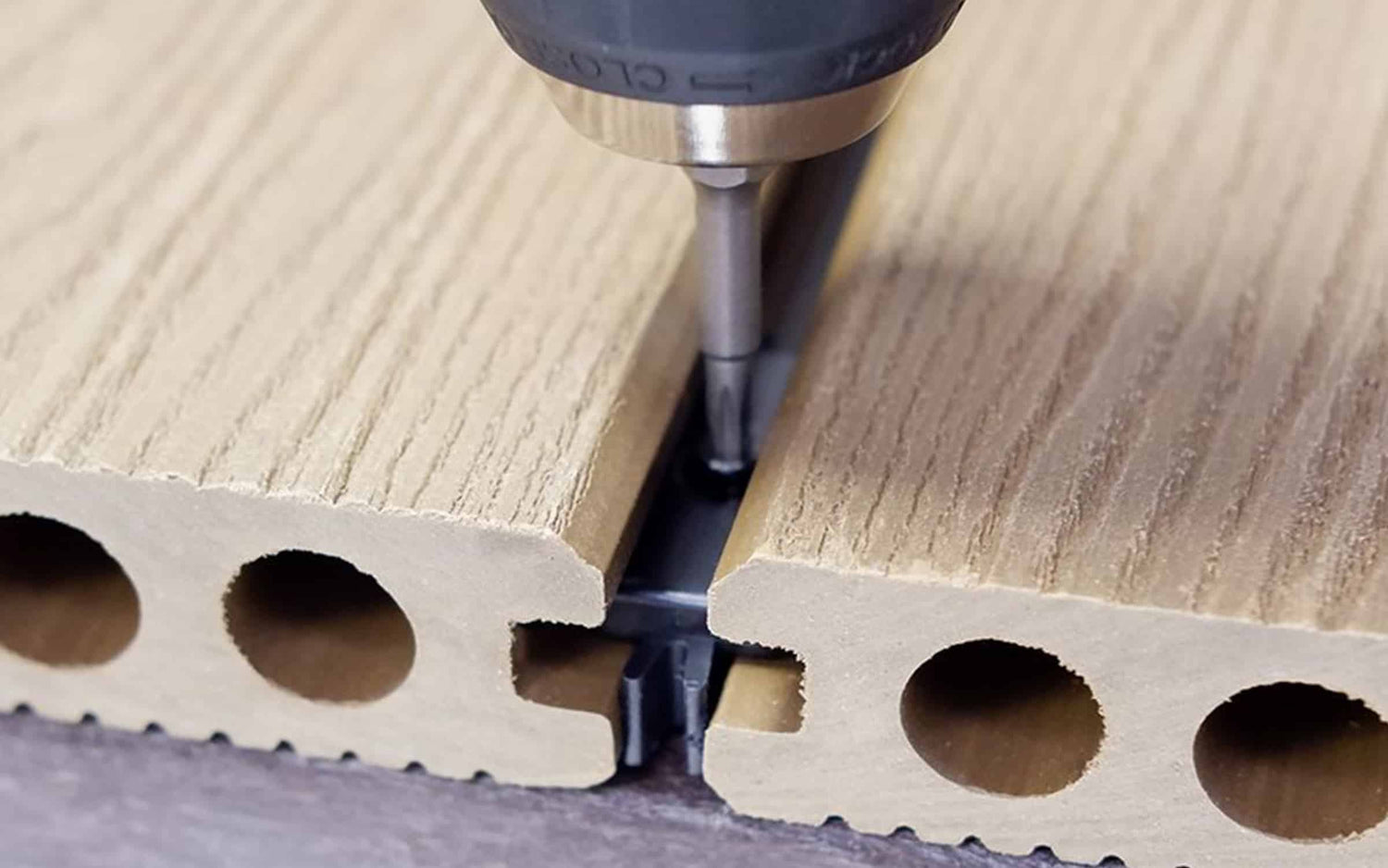
Decking clips are fasteners used to hold your deck boards in place. But they don’t just attach boards; they dictate spacing, alignment, and overall finish. Without them, your boards could shift, warp, or even pop out of place. You might think screws are enough. You’d be wrong. Decking clips? They’re built to last and designed for precision.
In particular, hidden decking clips are favoured in composite decking installations, providing a clean finish with no visible screw heads. They also ensure a consistent gap between boards, which is essential for water drainage and board expansion. Translation? No weird puddles, no random bulging boards.
The Domino Effect Of Dodgy Clips (Or None At All)
You might save a few quid skipping clips, but here’s what could go spectacularly sideways:
- Boards that wobble like a jelly on a washing machine
- Gaps that look like they were eyeballed after a long night out
- Edges that chip, warp, or rise because they’re not secure
Worse still, this might not show up immediately. Poorly secured boards often take months to shift, which means your decking subframe might already be in trouble before you realise something’s off.
Fasteners That Know Their Job
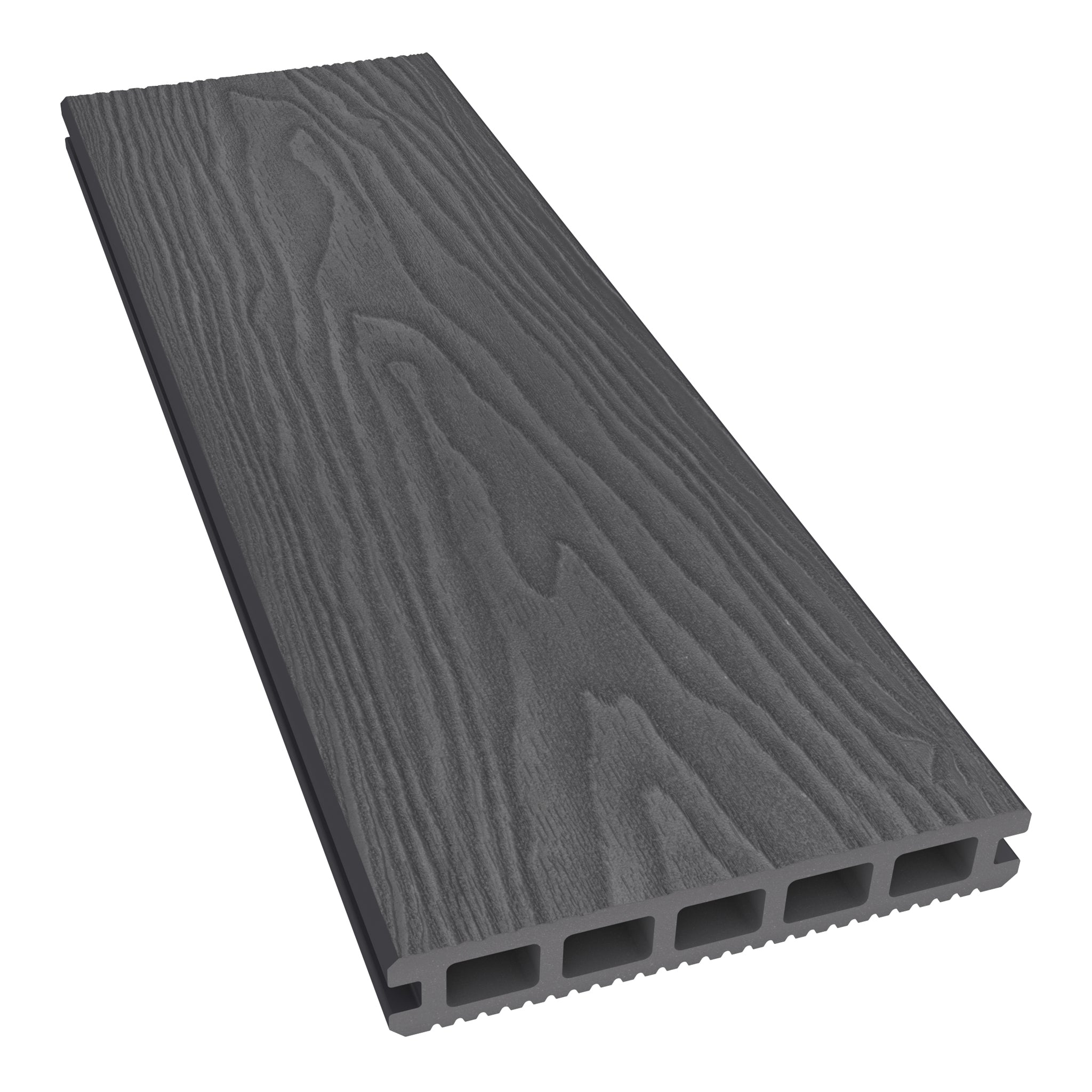
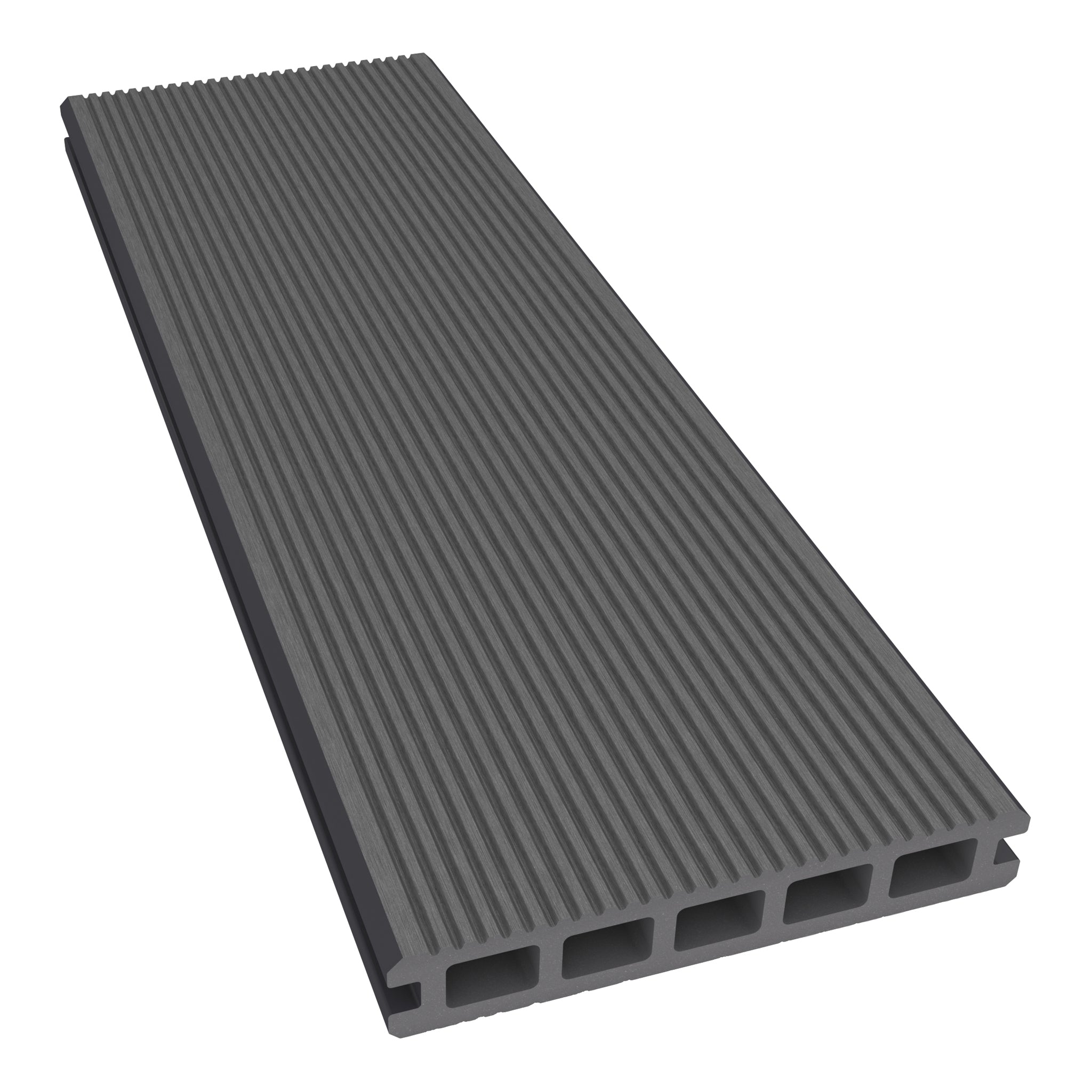
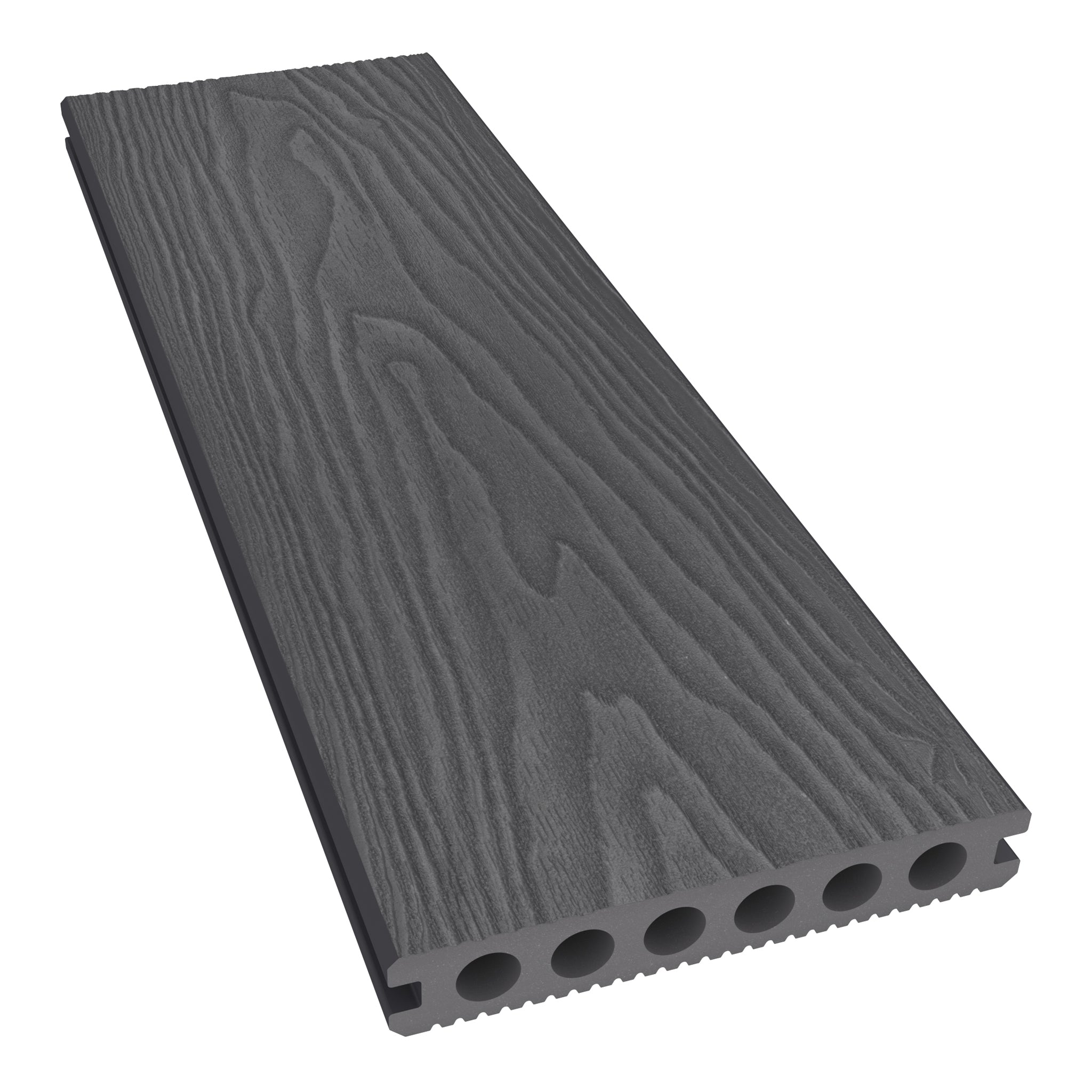
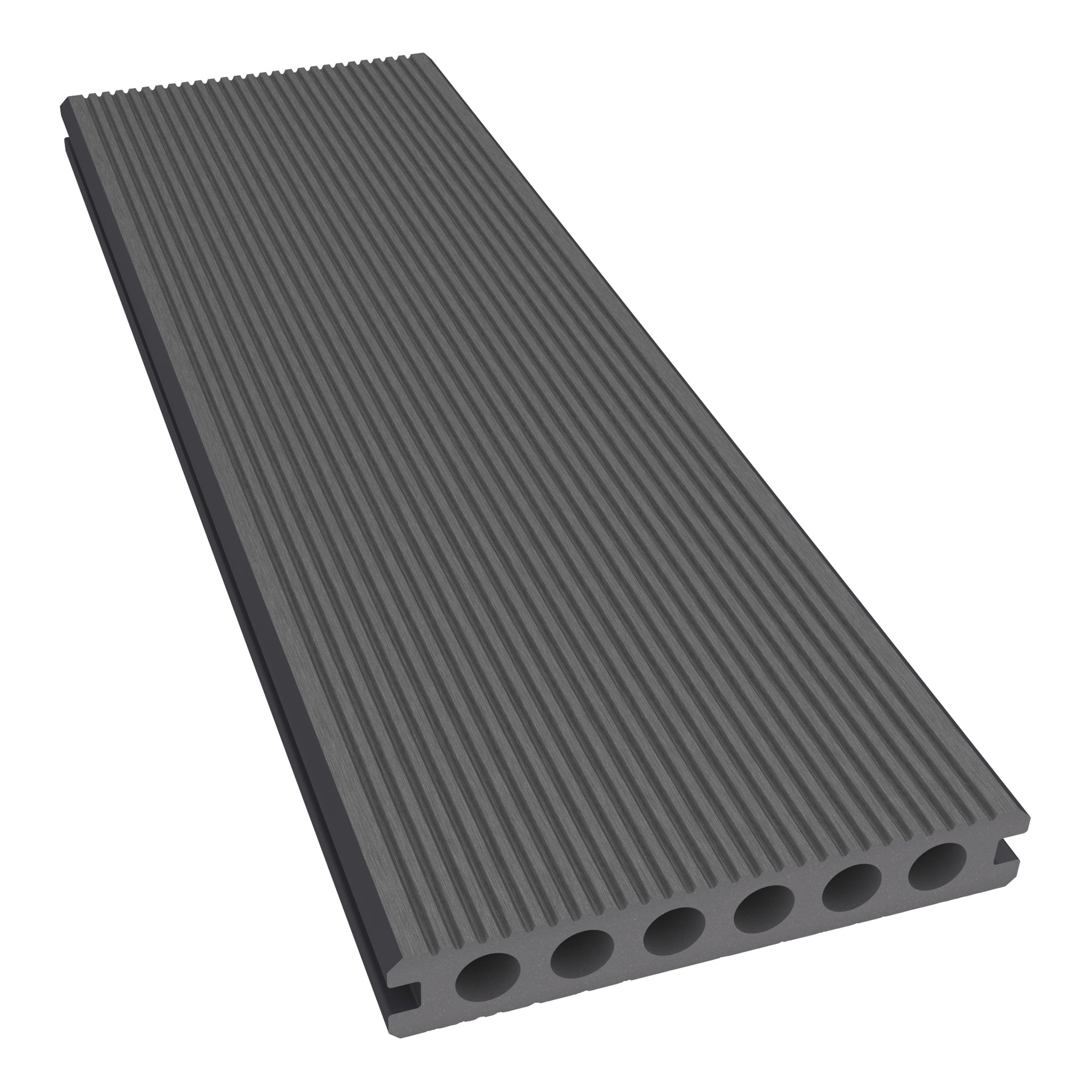
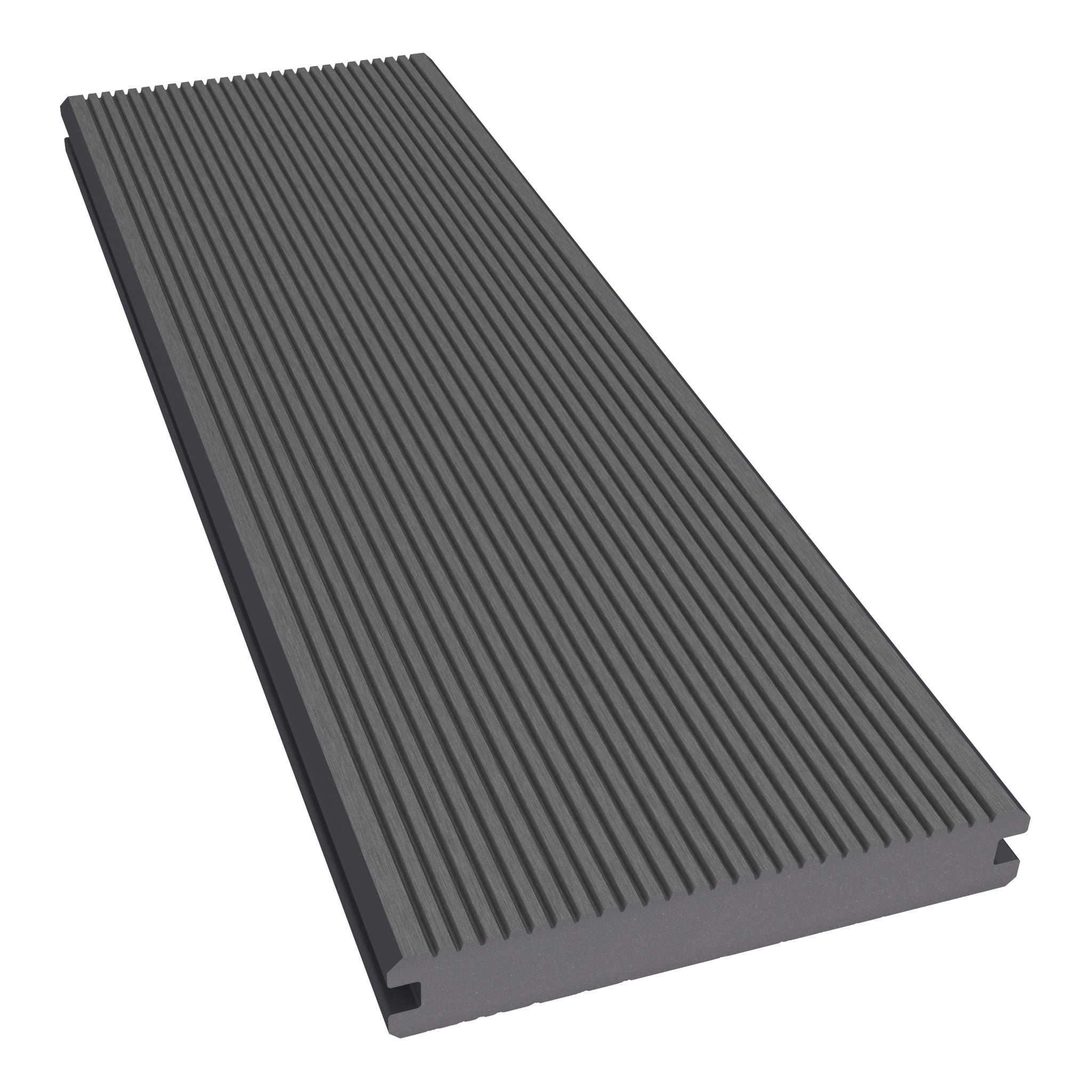
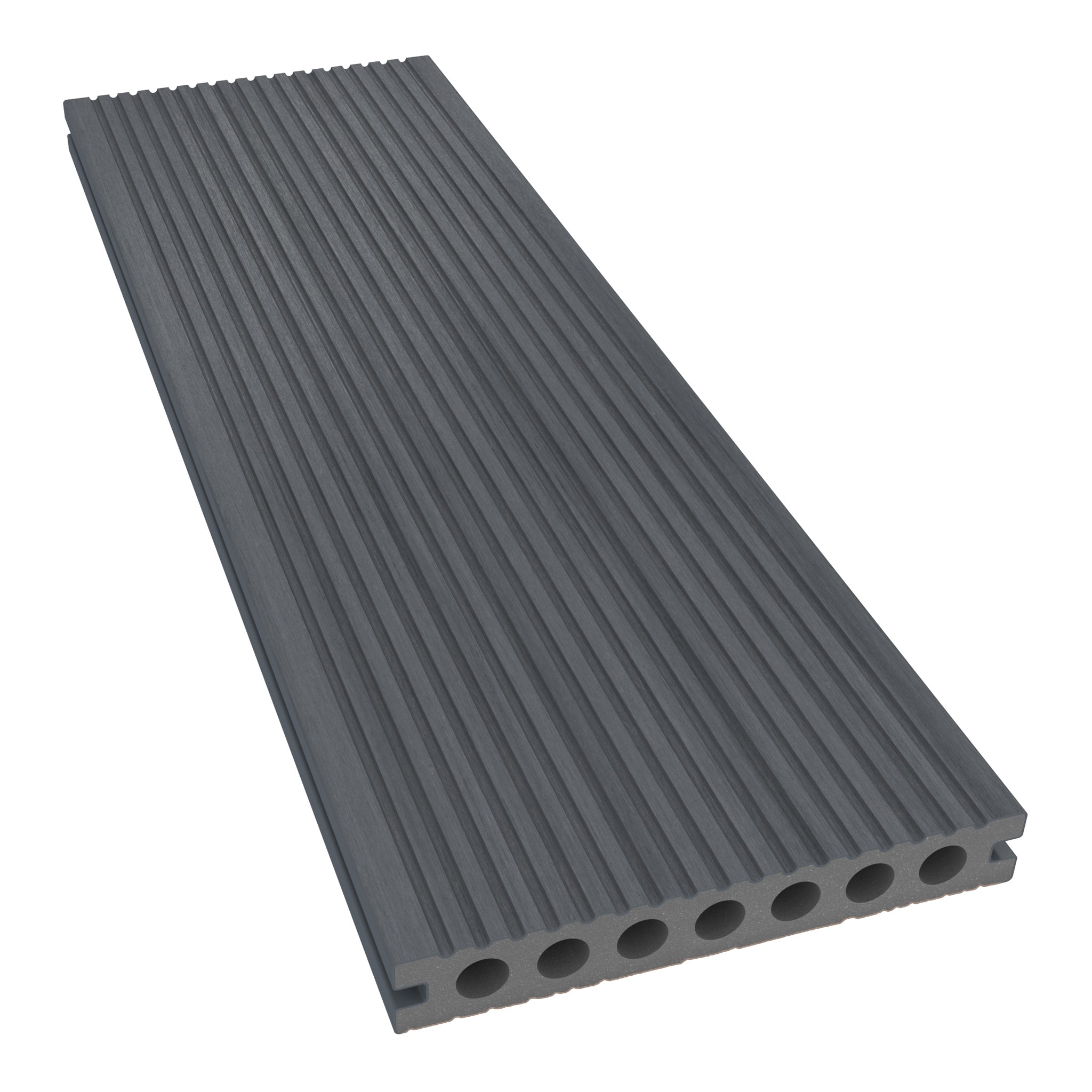
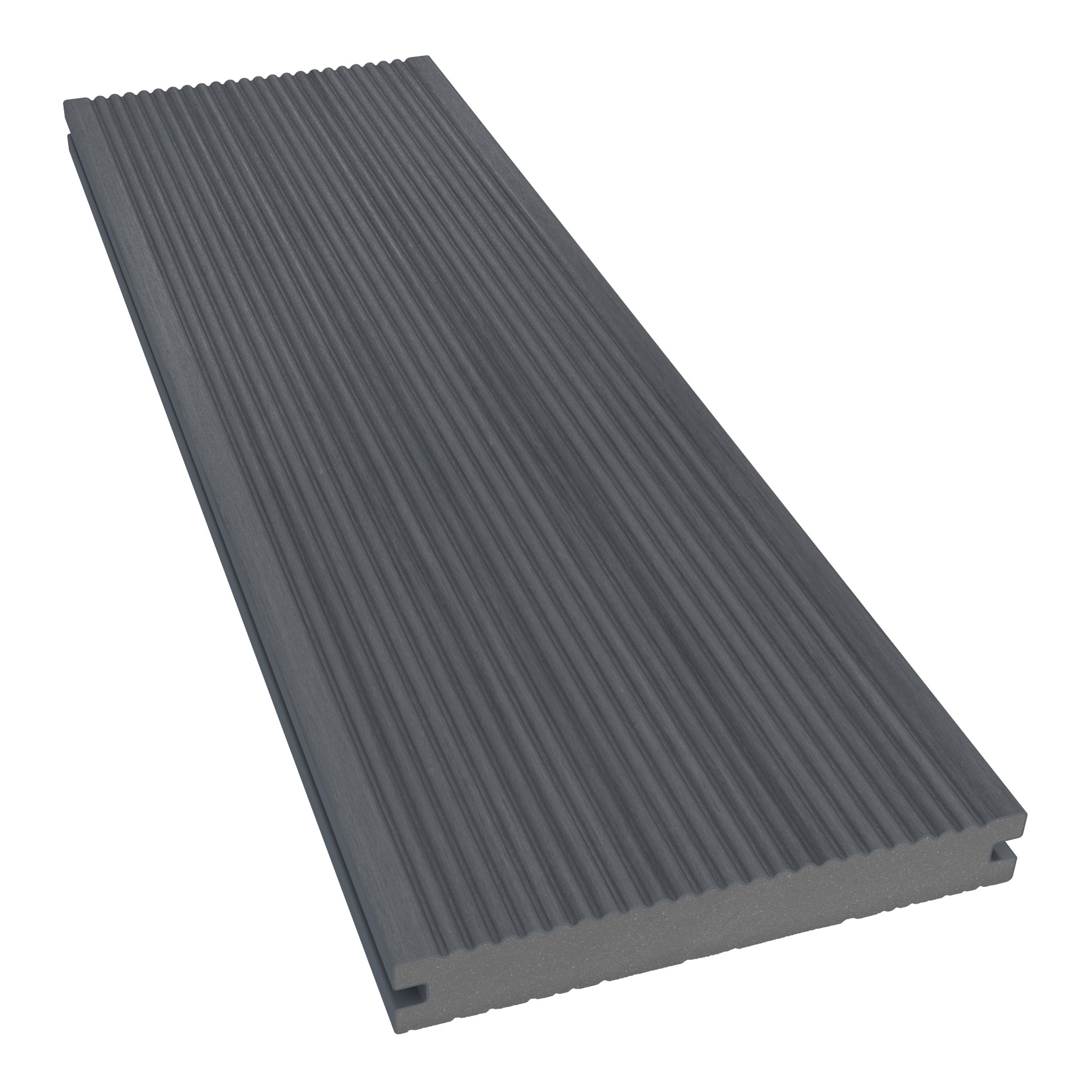
Not all clips are created equal. From budget to premium, and plastic to stainless steel, the quality of your decking fixings has a direct impact on your deck’s longevity. A good fastclip system, for example, can speed up installation while keeping everything tight and tidy. Better still, they often pair well with grooved decking, locking into place without fuss.
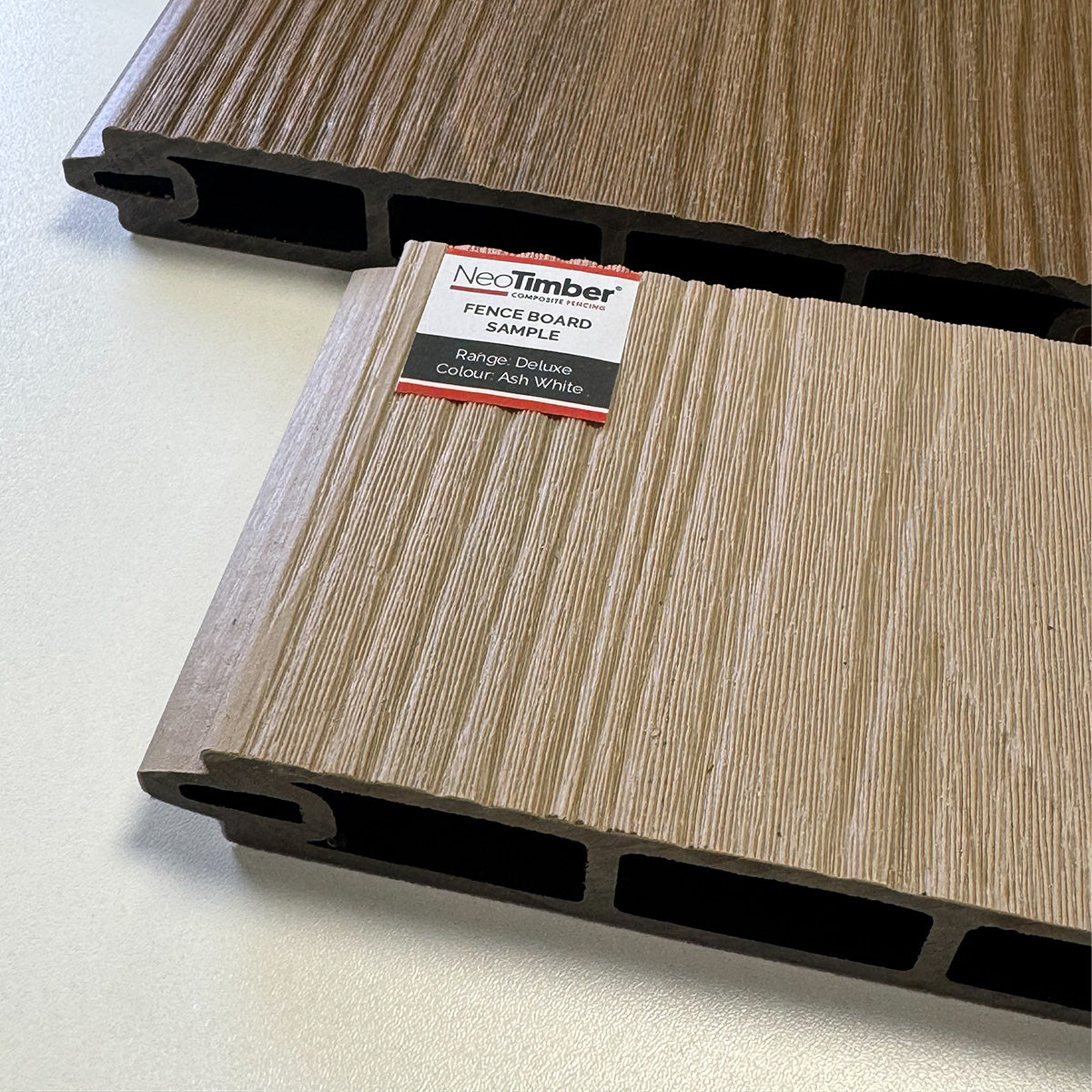
Speaking of the broader structure, your deck joists, decking trim, and decking edging all rely on strong, strategic fixing points. Get this wrong, and no amount of aesthetic flair, or beautifully grained ash white composite decking, will save your deck from looking like a mistake with a price tag.

Hidden Strength Behind Every Finish
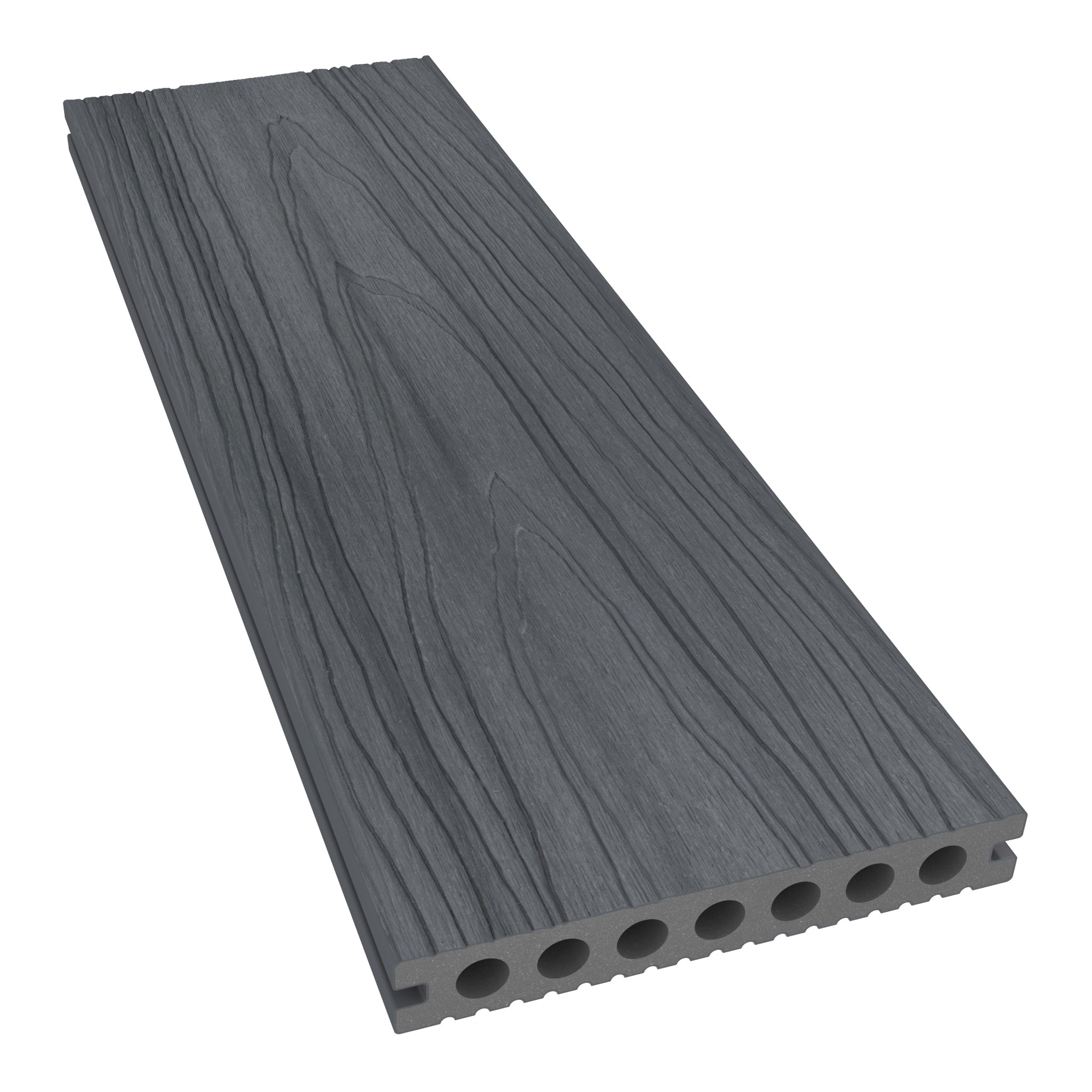
Ever seen a deck that looks like it’s floating, with a flawless finish and no sign of how the boards are fixed? That’s the magic of hidden decking clips. When used with reversible composite decking, they help you achieve a versatile look with maximum grip and zero screw heads to snag on.
And it’s not just about looks. Clip spacing contributes to air circulation under your deck, reducing trapped moisture. This is vital for waterproof decking setups or when laying decking on concrete. Trapped water is the enemy of stability. Moisture builds up, materials expand unevenly, and you’re left with a warped deck and a warped sense of achievement.
Why Size And Spacing Matters
Spacing is where decking clips flex their tiny muscles. The ideal gap between boards is often overlooked by beginners in laying composite decking. Without clips, it’s guesswork at best. With them? It’s standardised, seamless, and safe.
Consistent spacing also makes a huge difference in non-slip decking and anti-slip decking designs. Water drainage is improved, helping reduce the risk of algae and slippery surfaces, especially on balcony decking or poolside decking where water is a given.
Decking Clips Vs Screws: No Contest
Let’s talk visuals. Nothing screams “amateur DIY” like visible screw heads and mismatched fixings. With decking clips, everything stays tucked away, making your deck picture framing or deck steps feel integrated and smooth.
Even better, decking installation tips usually recommend clips because they create less stress on the board. Screws, particularly in hollow composite decking, can cause fractures over time. Clips distribute pressure evenly and adjust to expansion, making them ideal for fade-resistant decking, scratch-resistant decking, and UV resistant decking systems that are built to last.
Decking Clips In Different Decking Setups
Got a rooftop terrace decking project? You’ll want those adjustable decking pedestals and clips working together for even load distribution. For mobile home decking or caravan decking, where movement is more frequent, decking clips help maintain structural integrity without compromising flexibility.
Even in large-scale commercial applications like restaurant decking, care home decking, or office decking, clip systems offer ease of maintenance and uniformity. Their discreet design also complements decking lighting, keeping fixtures uninterrupted and safe.
Long-Term Thinking: Warranty, Weather, And Woes
The right decking clips can even help protect your warranty. Many composite deck warranties require that boards be installed using recommended fasteners. So skimping here doesn’t just risk the deck, it risks the backup plan too.
And let’s not forget the unpredictable British weather. With rain, frost, and the odd heatwave, your deck endures a lot. Using high-quality decking accessories like corrosion-resistant clips makes the whole system more robust. This is especially important in eco-decking or maintenance free decking builds where longevity is the goal.

The Unsung Heroes Of Your Decking Project
If decking boards are the stars of the show, decking clips are the stagehands that keep everything together behind the scenes. Invisible? Mostly. Unimportant? Absolutely not.
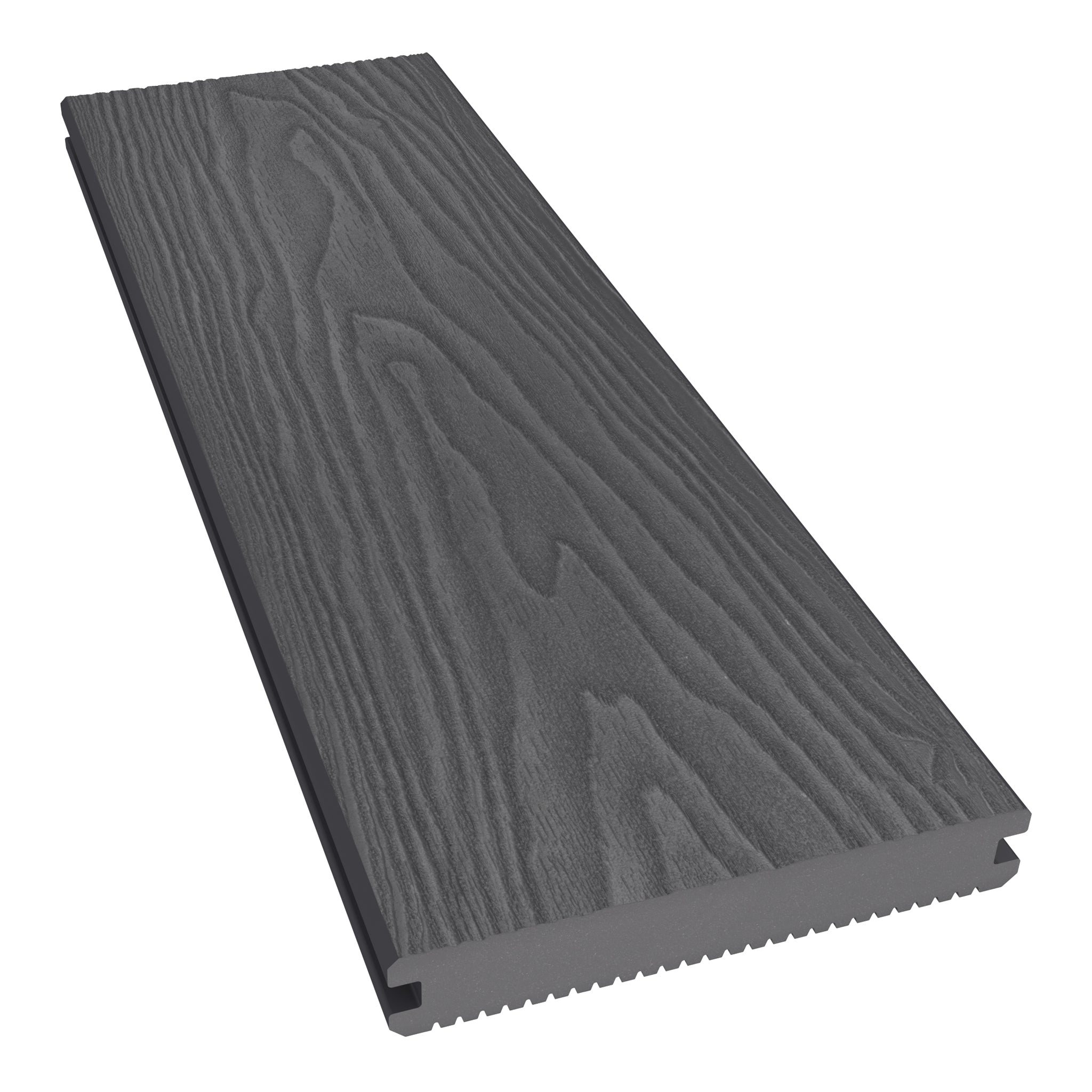
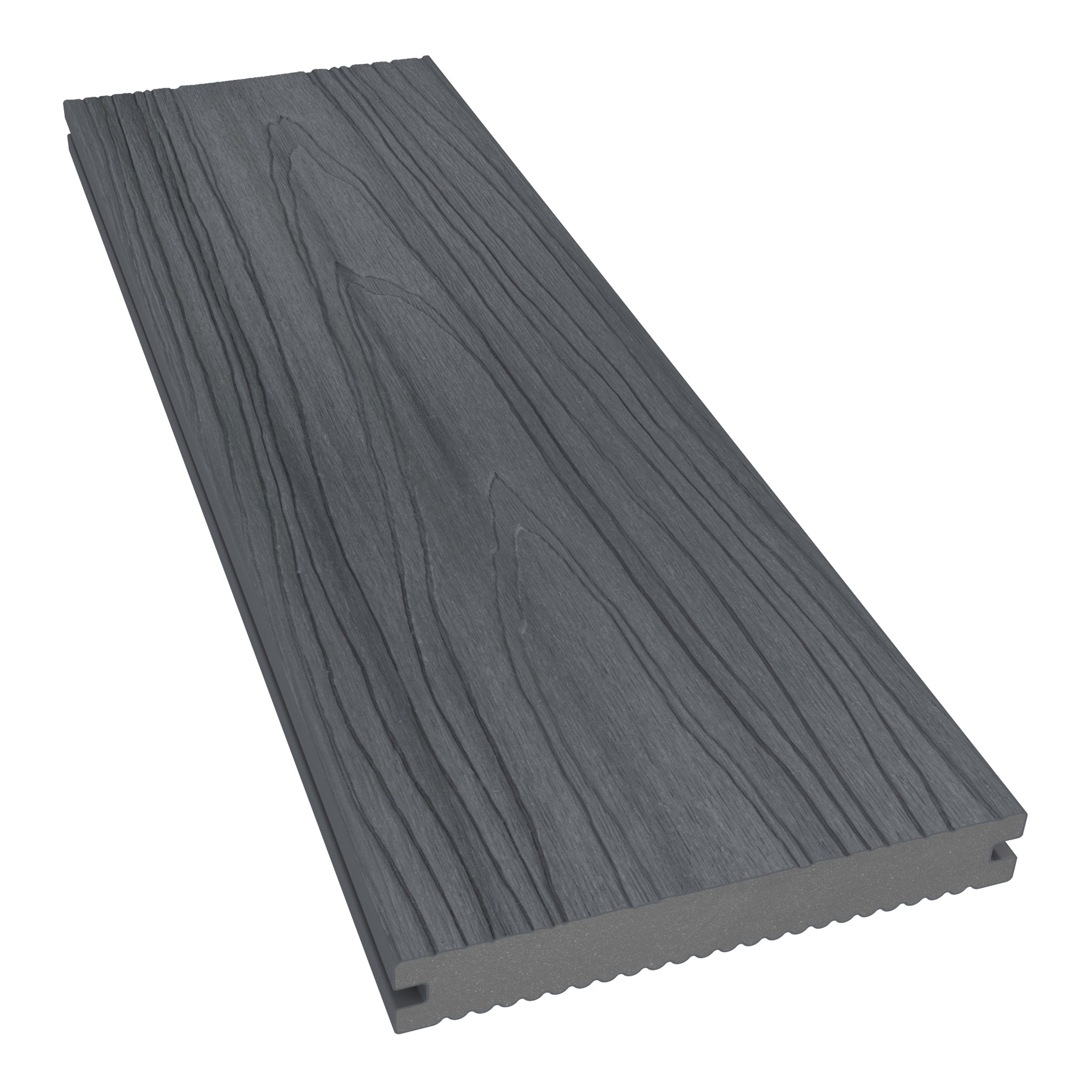
From supporting solid composite decking on your garden decking to balancing deck tiles on an uneven patio, these small components do the big jobs quietly. Without them, even the most beautiful black composite decking or chocolate composite decking will fail to impress, because it's not just what’s on top that counts. It’s what’s holding it together.