


Why Are Decking Joists So Important?
There’s more to a deck than just the boards on top. Beneath every stunning surface lies a network of structural support that rarely gets the attention it deserves. These unsung heroes are decking joists.
They might not be the most glamorous part of your project, but they’re easily one of the most important. Without the right joists in place, your deck won’t just fall short, it might actually fall. From preventing bounce to enabling proper drainage, decking joists are essential for any stable, long-lasting decking structure.

What Are Decking Joists?
Decking joists are horizontal support beams that form the skeleton beneath your deck surface. Whether you’re building garden, balcony, or ambitious rooftop terrace decking, joists are what keep everything stable.
They’re fixed between bearers or posts and support the decking boards above. The result? A solid, evenly spaced platform that doesn’t budge when you step on it.
Why Decking Joists Are Crucial
Decking joists don’t just hold up your boards, they hold up your entire decking dream. Here’s why they’re non-negotiable:
- Structural Stability: They distribute the weight of your deck across the entire decking subframe, preventing sagging or movement.
- Load Bearing: They handle daily foot traffic, garden furniture and even hot tub decking.
- Straight Alignment: They keep boards evenly spaced and secure, vital for aesthetic finishes like deck picture framing.
- Ventilation and Drainage: Proper joist gaps allow airflow and drainage, reducing the risk of moisture damage over time.
Recommended Spacing For Decking Joists
The spacing between your decking joists will depend on the type of board you're using and how you plan to lay them.
- For most composite decking, aim for joist spacing between 250mm-350mm on centre.
- Timber decking may allow slightly wider spacing, but always refer to manufacturer guidelines.
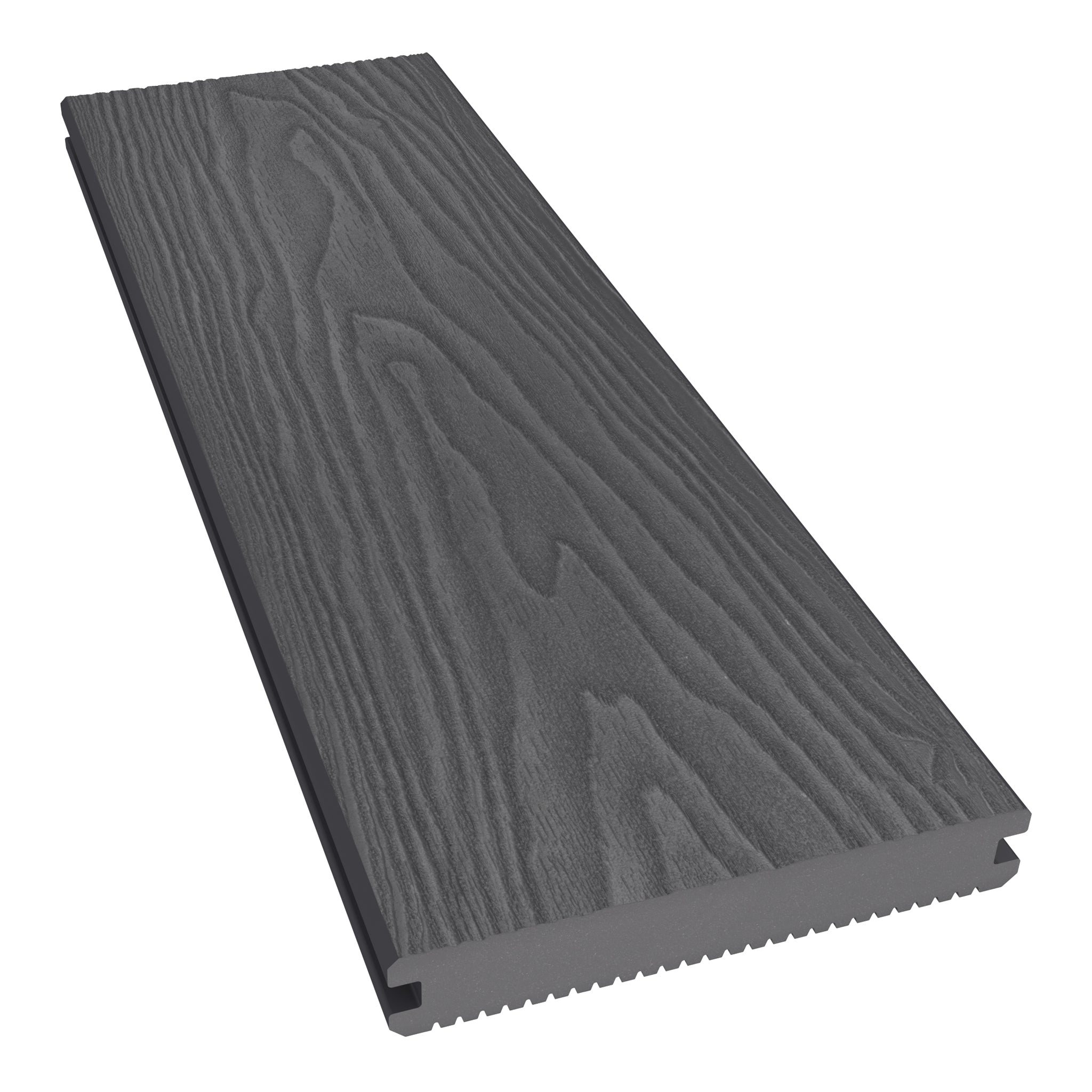
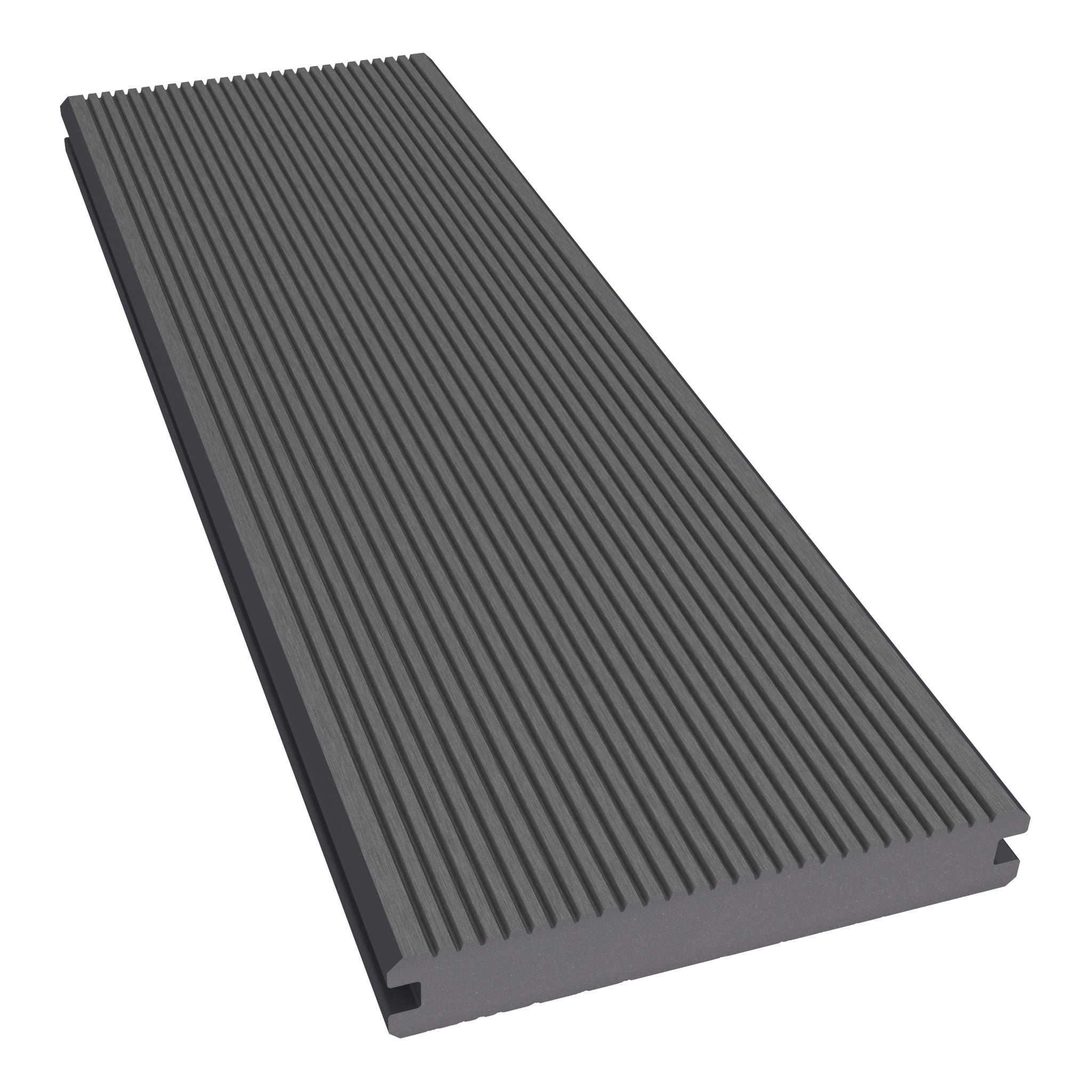
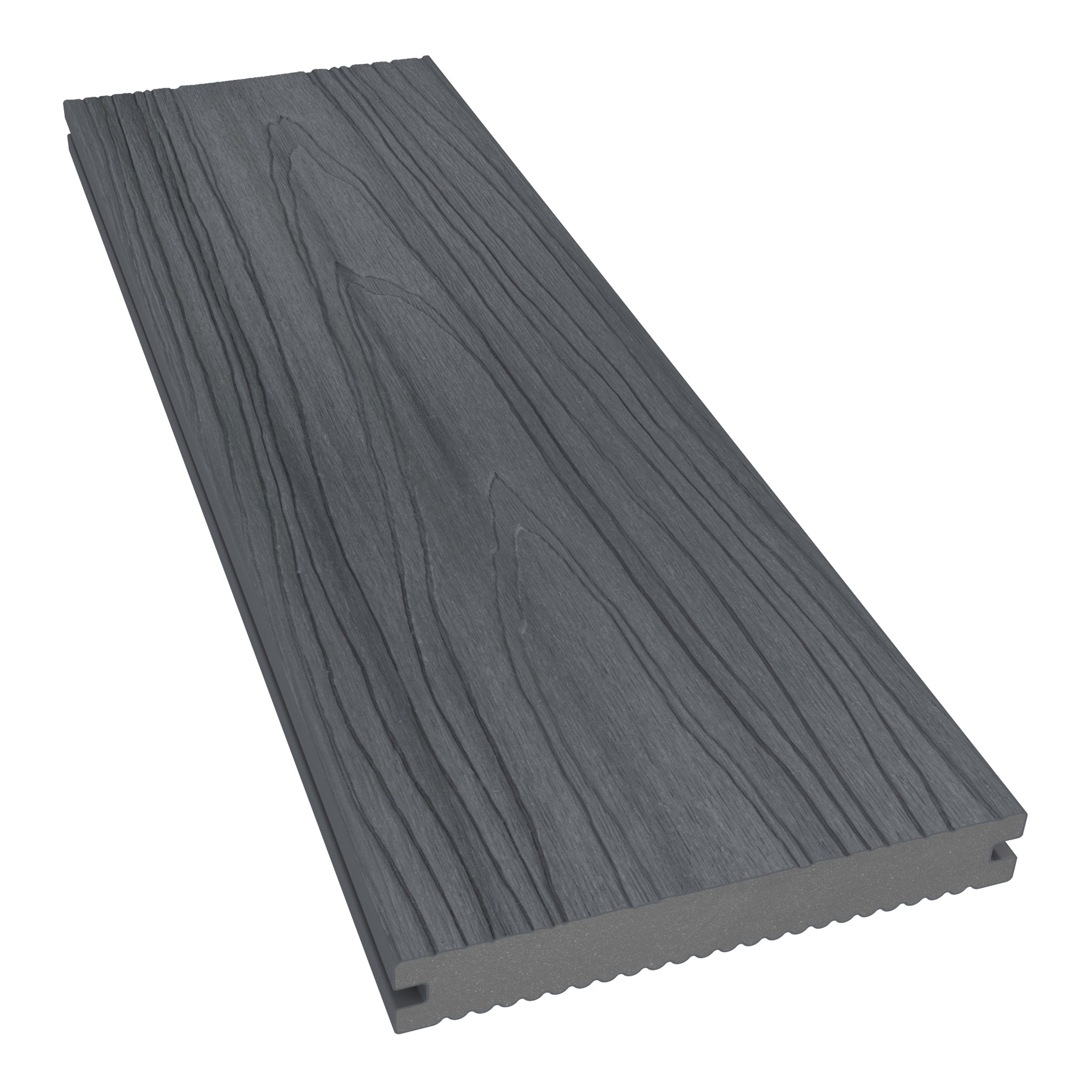
- Heavier or more flexible materials like solid composite decking benefit from closer joist gaps.
Spacing too far apart can lead to structural issues, warping, and even board failure.

Best Materials
Choosing the right joist material depends on your decking type, location and budget. Each has its own set of advantages.
Timber Joists
Widely used and cost-effective, but they need treatment and ongoing maintenance. It's best to insulate them with NeoTimber decking tape. More vulnerable in damp areas like poolside decking or swimming pool decking than composite.
Composite Joists
Low-maintenance and resistant to rot, these are ideal for pairing with reversible composite decking.
Aluminium Joists
Corrosion-resistant, strong and perfect for elevated or high-traffic projects such as restaurant, public space or balcony composite decking. A top pick for those considering fire-rated decking.

Plastic Joists
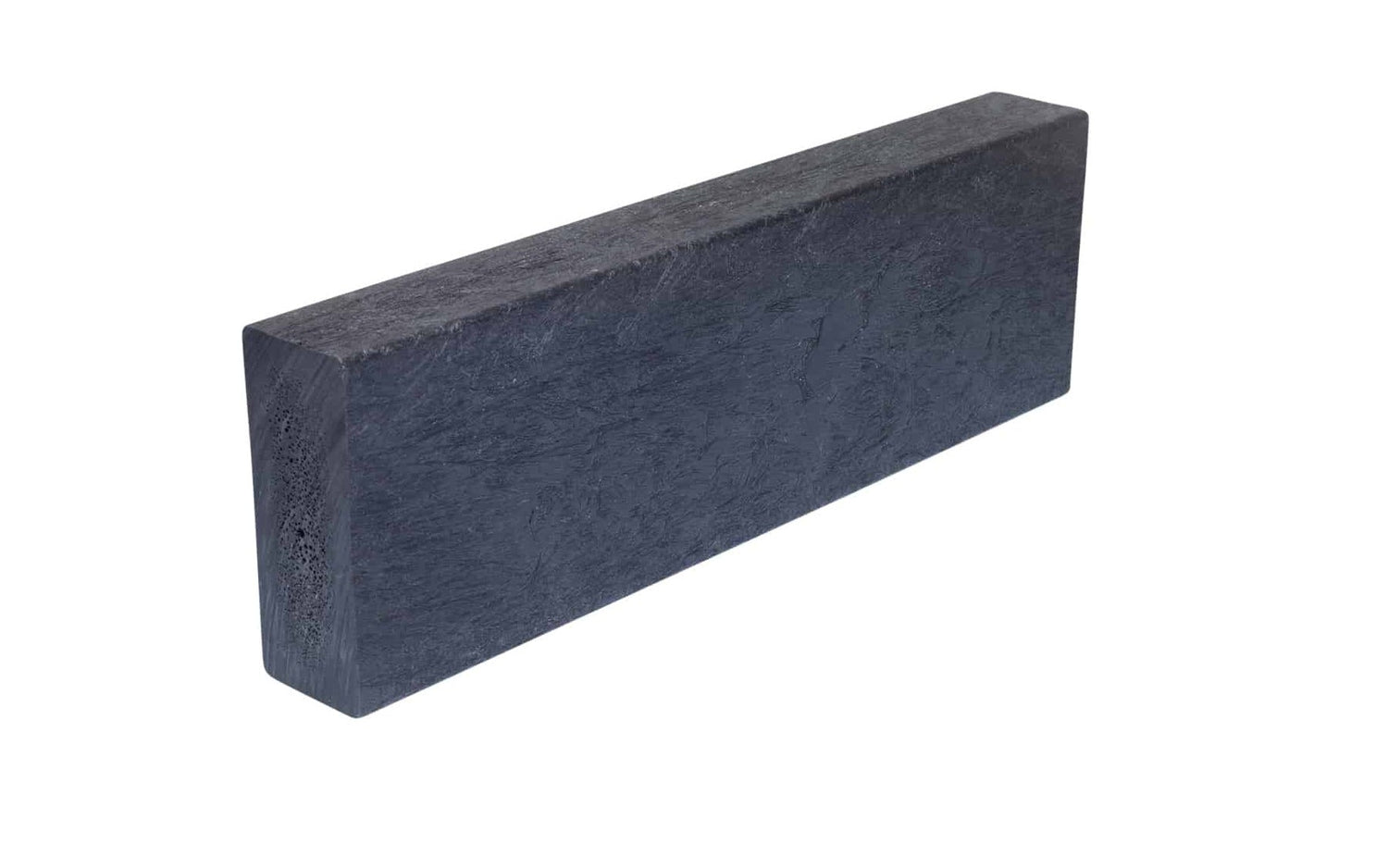
Made entirely from recycled plastic, NeoTimber® small and large plastic joists offer a durable, moisture-resistant, and maintenance-free alternative ideal for soft or uneven ground installations.
How To Install Decking Joists
A strong installation is crucial for performance and longevity. Here's the right approach:
Plan Your Layout: Determine your preferred deck layout patterns, whether straight, diagonal or herringbone.
Secure The Frame: Fix the perimeter using appropriate decking fixings.
Set The Joists: Install joists spaced at 250mm-350mm intervals, depending on your board type.
Fix Securely: Use corrosion-resistant screws or brackets to prevent movement.
Slope Slightly: Allow for water runoff to support waterproof decking performance.
Taking care here ensures your frame supports everything from decking lighting to those spontaneous summer dance parties.
Common Mistakes To Avoid
Even confident DIYers can misstep. Watch out for these common pitfalls:
- Over-Spaced Joists: Leads to excessive flexing and future board damage.
- Untreated Timber: Without protection, rot becomes a real issue, particularly with mobile home or holiday park decking.
- Poor Ventilation: Moisture build-up causes long-term problems, especially beneath non-slip decking.
- Underestimating Load: Planning heavy use? Reinforce for weight, for example in office composite decking installations.
- Rough Edges: Neaten up with edging or decking trim for a polished finish.
Avoid these and your deck will stand strong for years.
The Role Of Joists In Decking Longevity
Decking boards might steal the show, but it’s the joists underneath that really determine lifespan. When correctly spaced and installed, decking joists enhance:
- Drainage and Airflow: Reducing moisture build-up under boards like grooved decking.
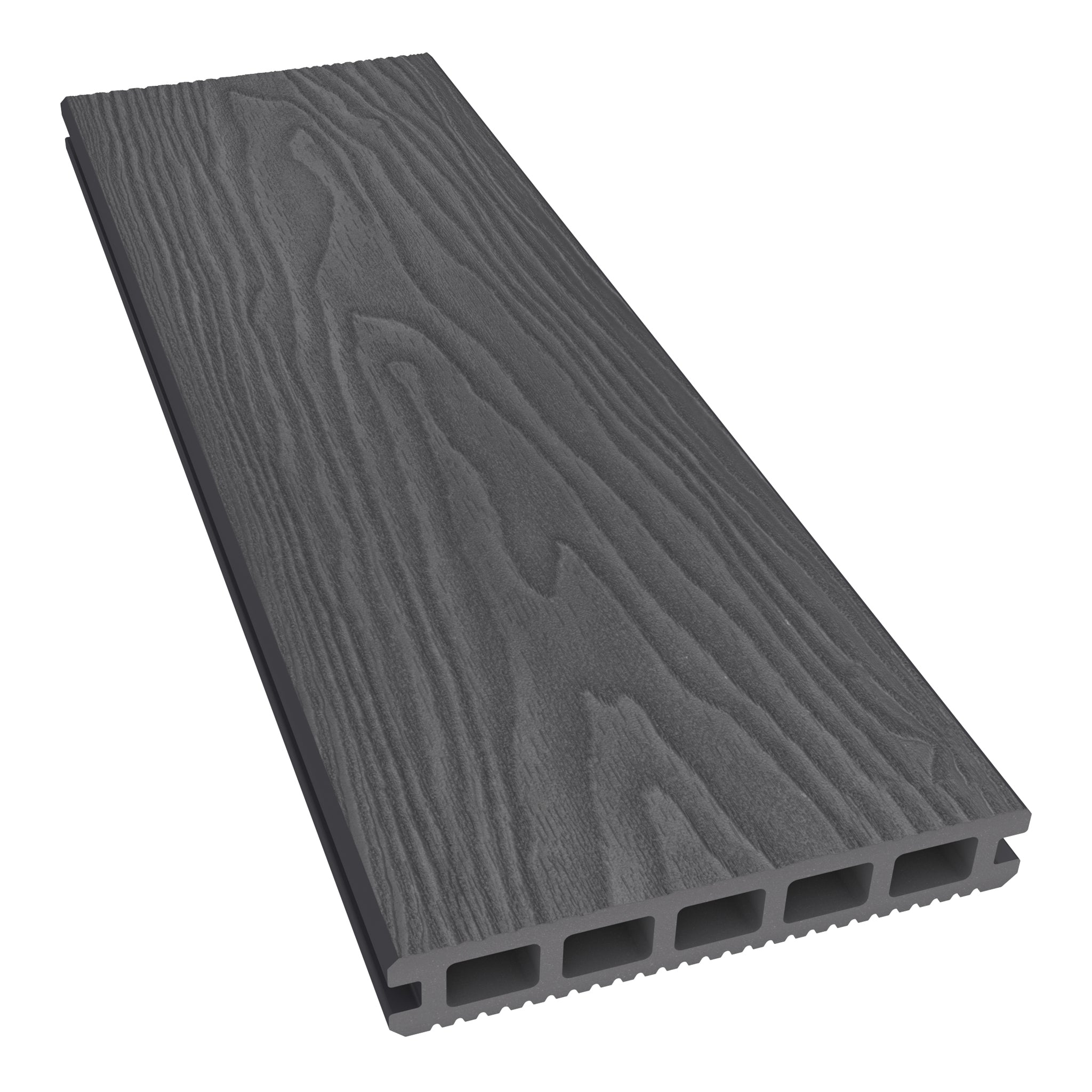
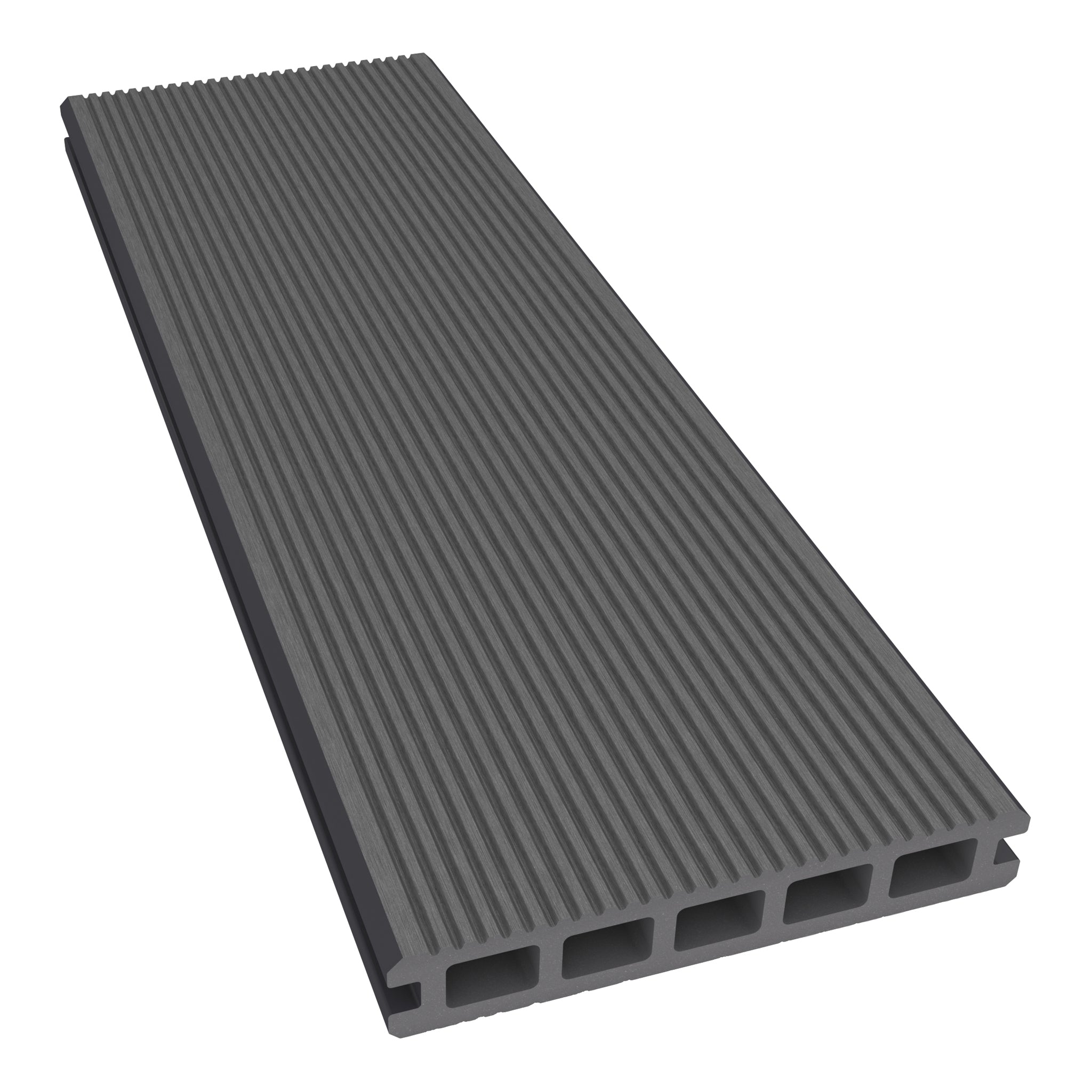
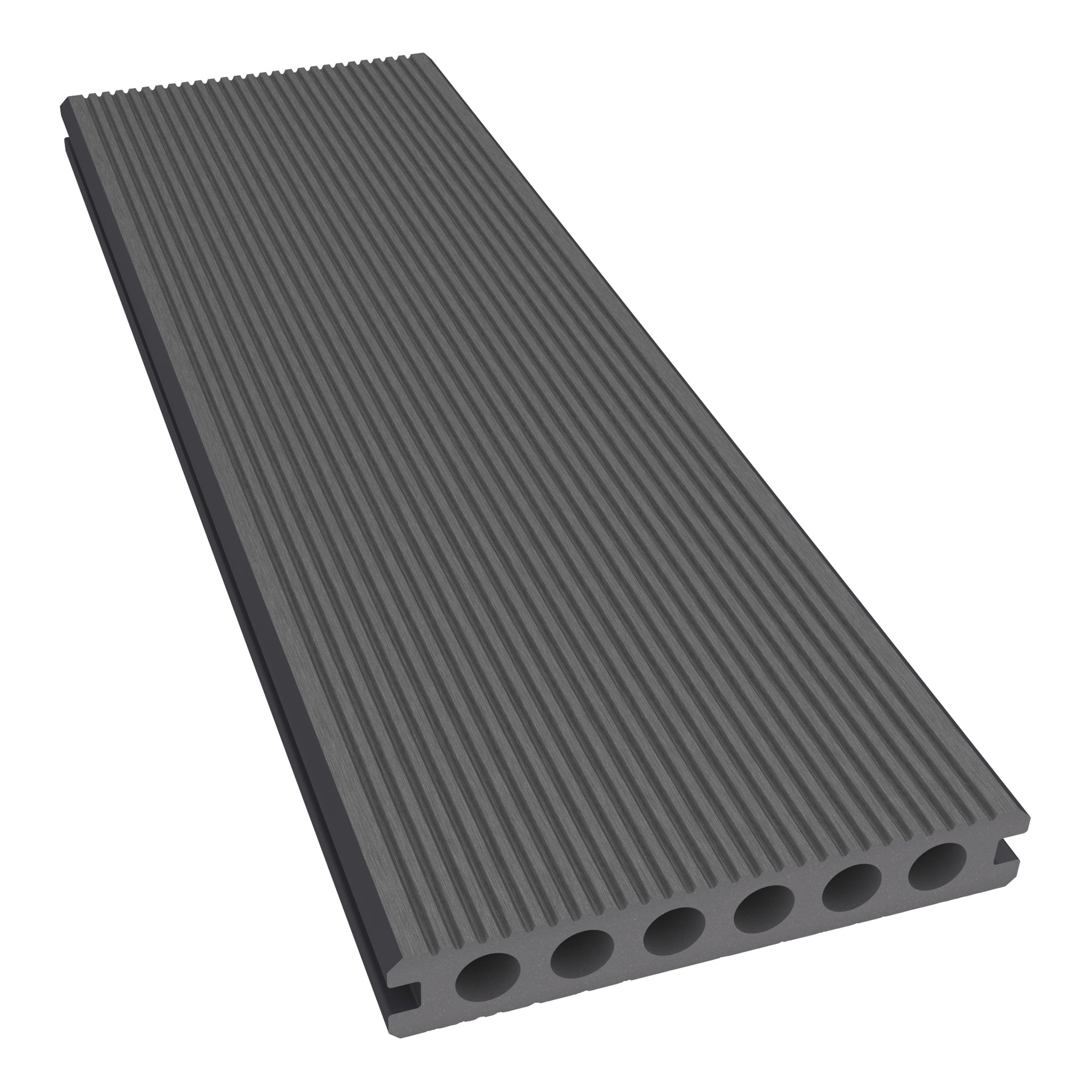
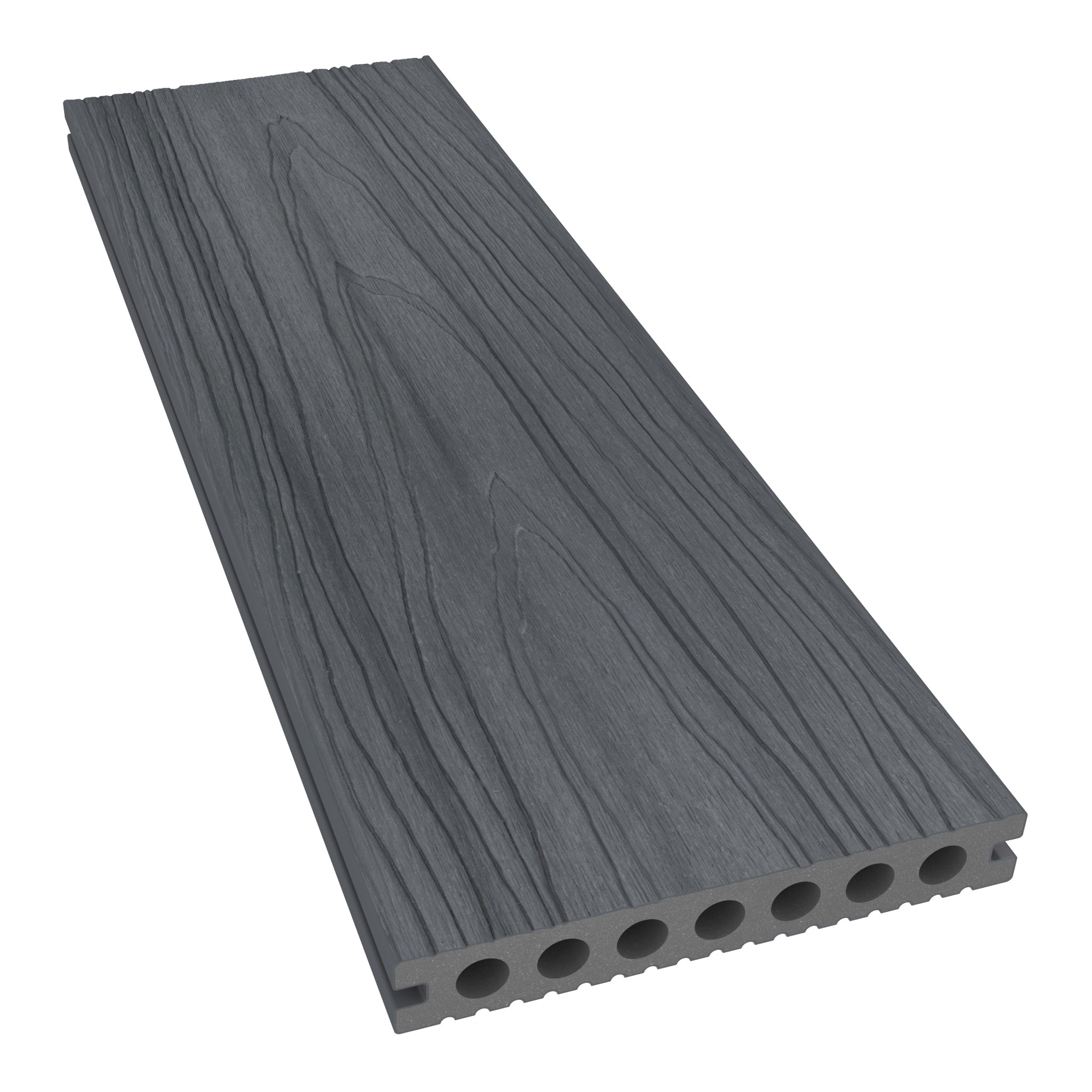
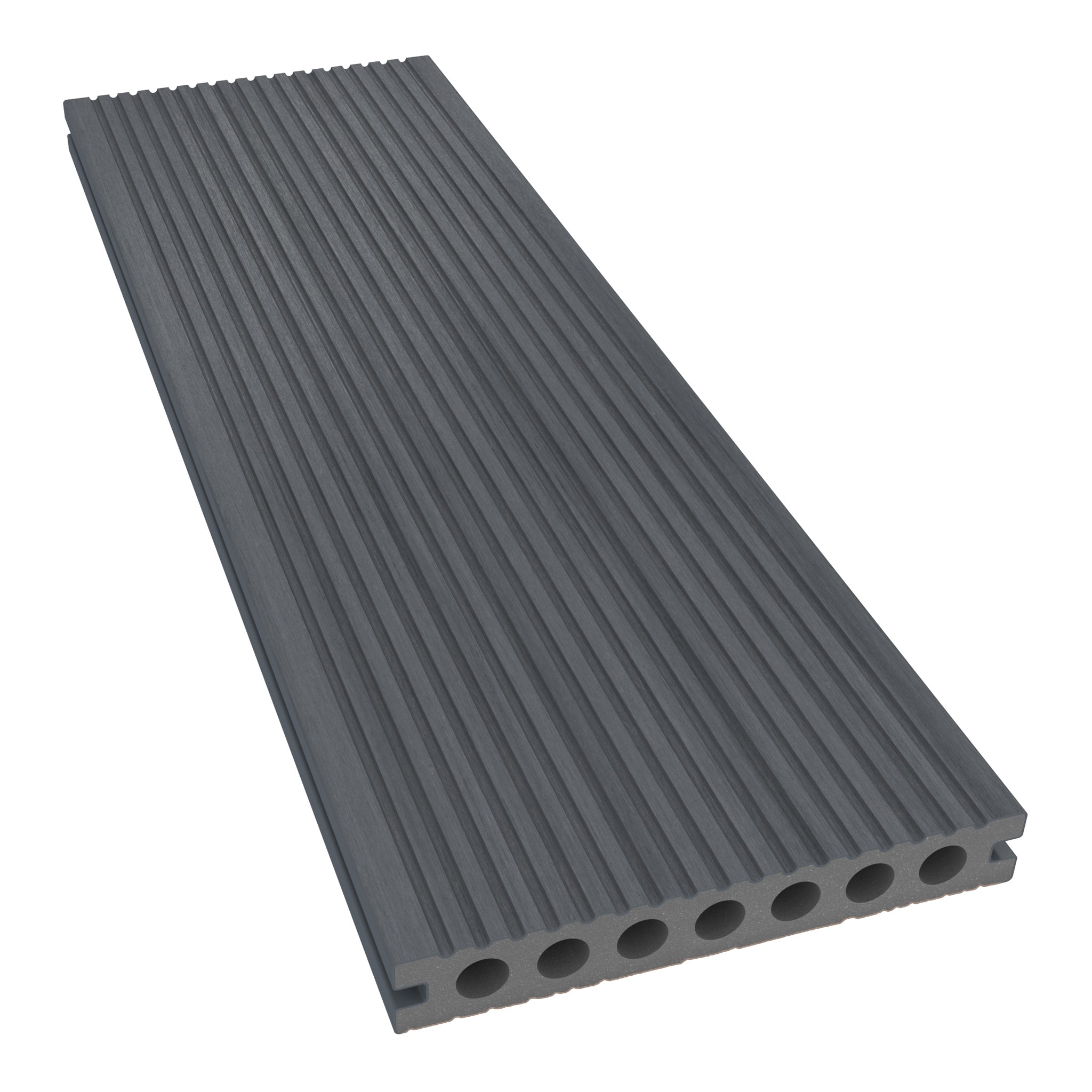
- Board Support: Preventing flex in materials like hollow composite decking.
- Deck Durability: Particularly important when using UV resistant decking or stain-resistant decking in open areas.
If you’re using boards with a 25-year warranty, don’t undermine them with poor-quality or incorrectly installed joists.
NeoTimber® And The Importance Of A Solid Foundation
At NeoTimber® we understand that premium boards deserve a premium foundation. Whether you’re laying patio decking, building out deck steps, or transforming a garden with garden room decking, the performance of your deck starts with the right decking joists.
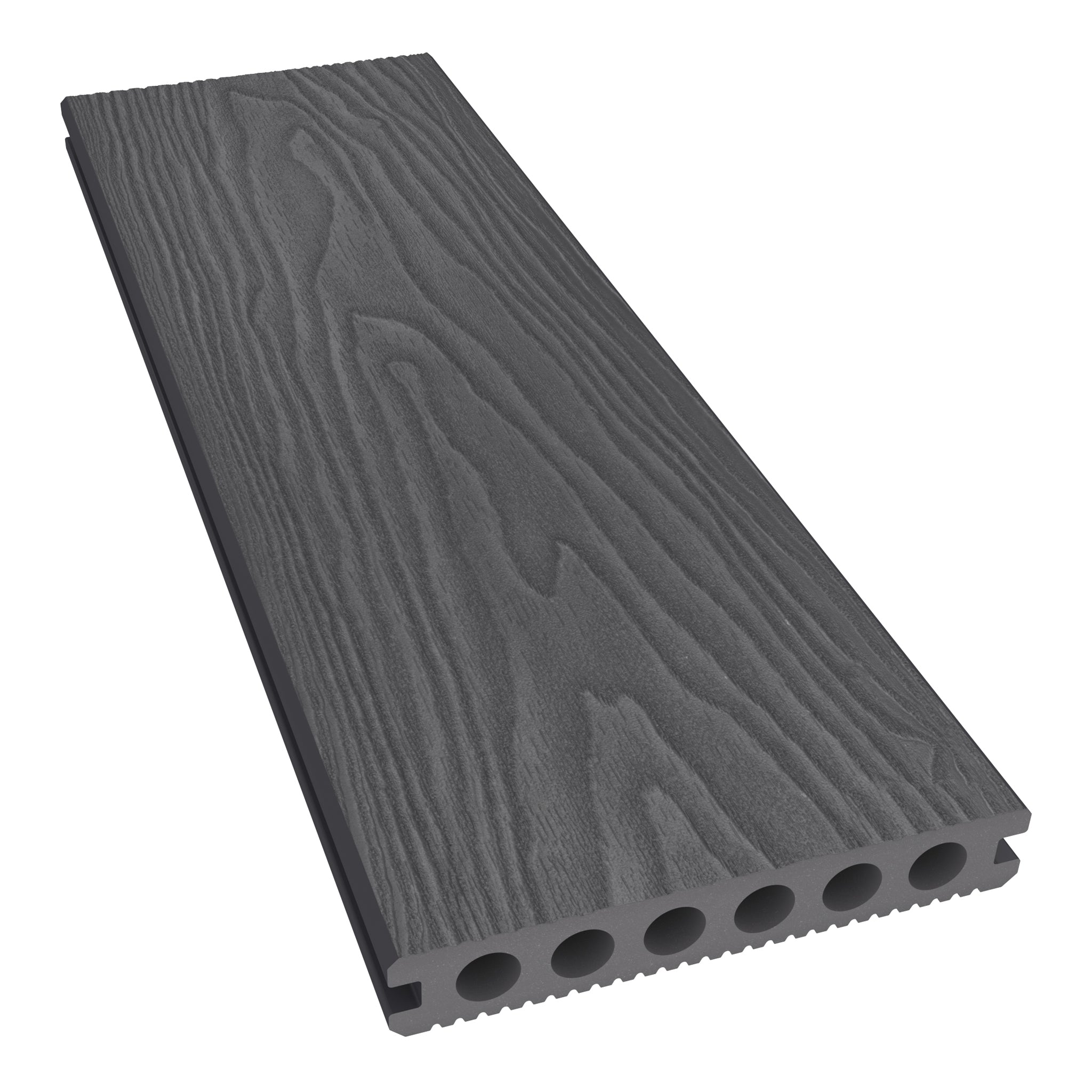
We’ve engineered our systems to suit a wide range of applications, from hollow to capped composite decking. And with thoughtful decking accessories to finish the job, you’ll have a seamless structure built to last.
Final Word: Joists Are The Backbone Of Every Deck
You might not see them, but decking joists are working hard beneath your feet. They support your boards, define your spacing, and play a major role in drainage and durability. Whether you're laying chocolate, ash white, or classic oak decking, don’t overlook the unsung heroes holding it all up. They may be hidden, but now you know just how vital they really are.