


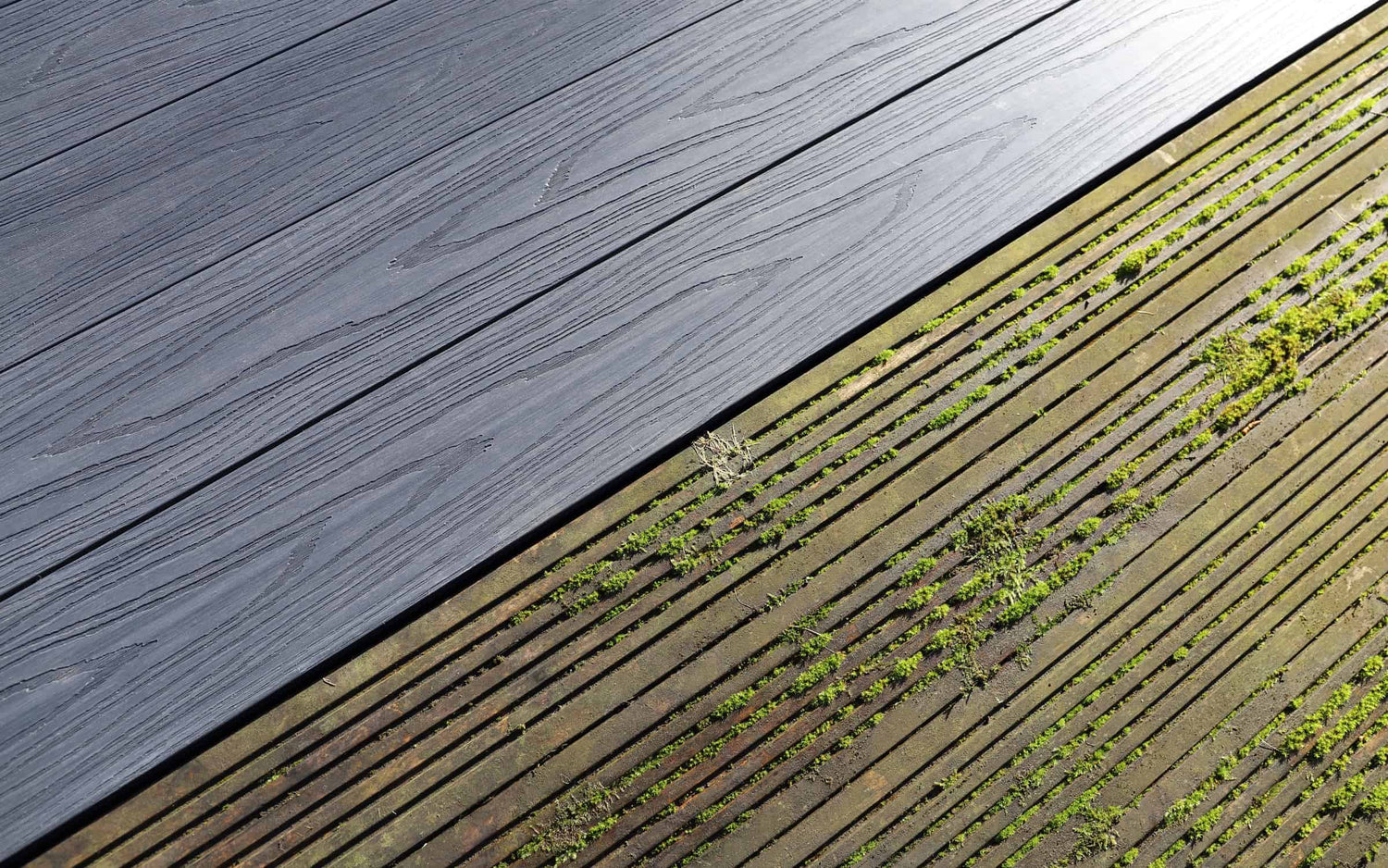
How To Remove Mould From Composite Decking Quickly & Effectively
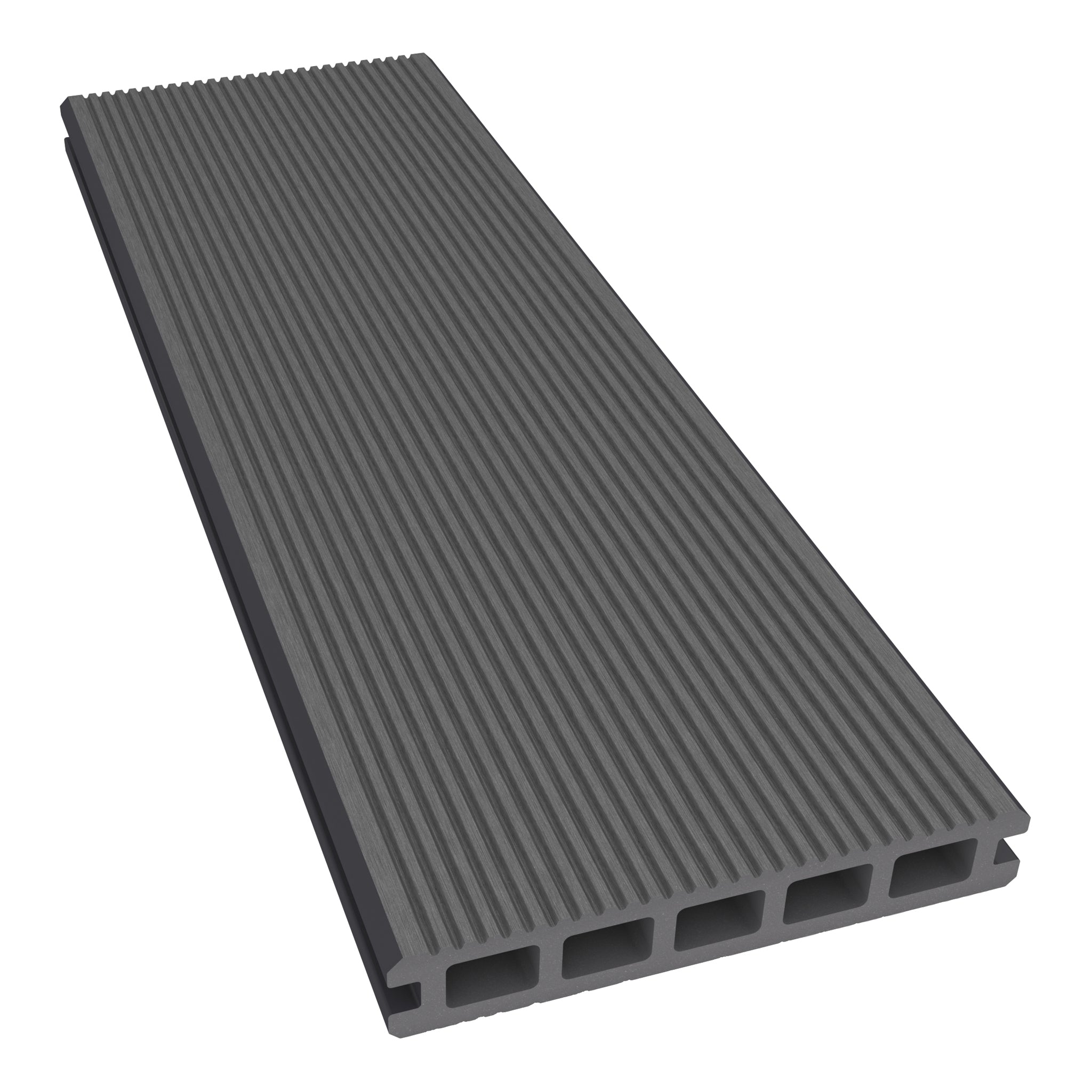
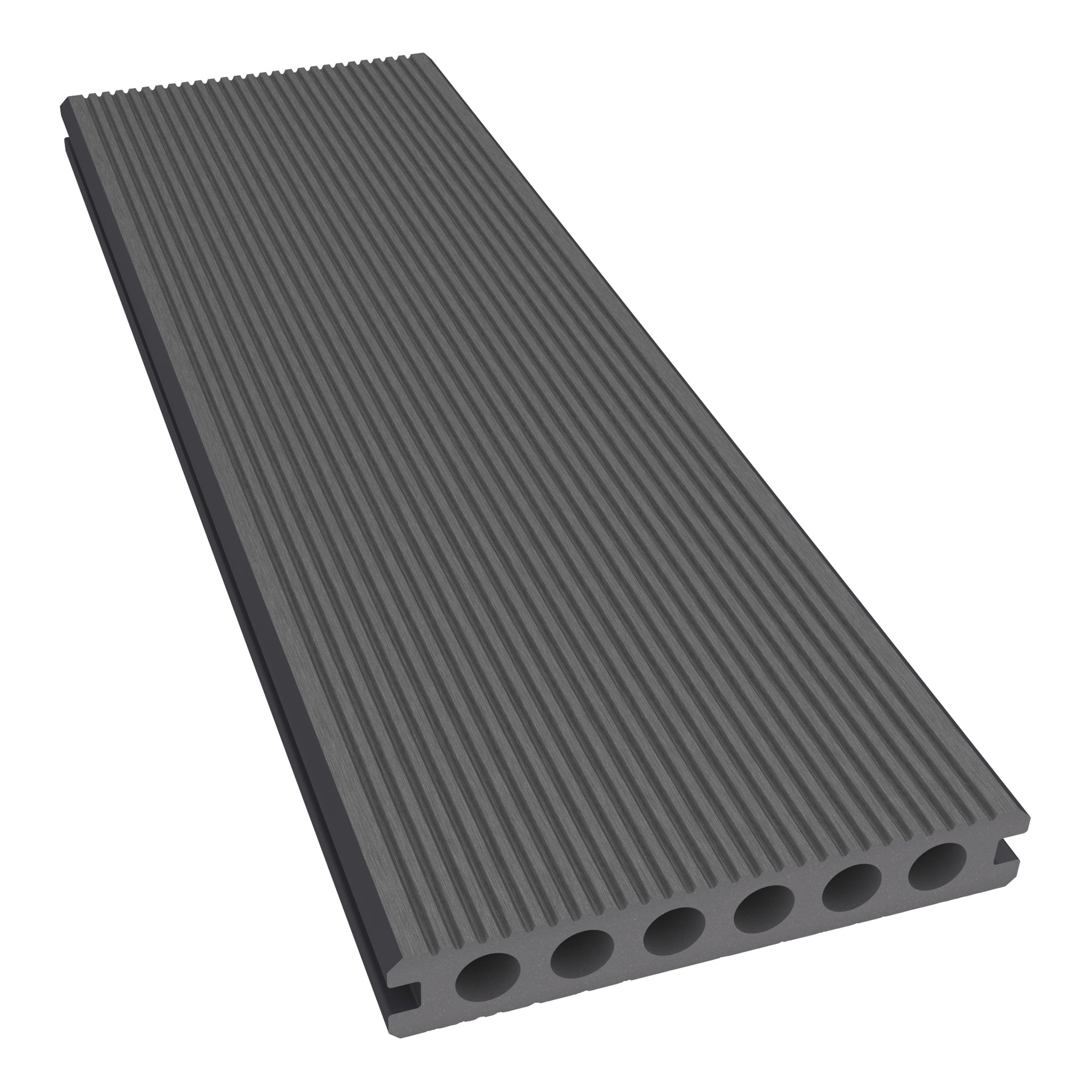
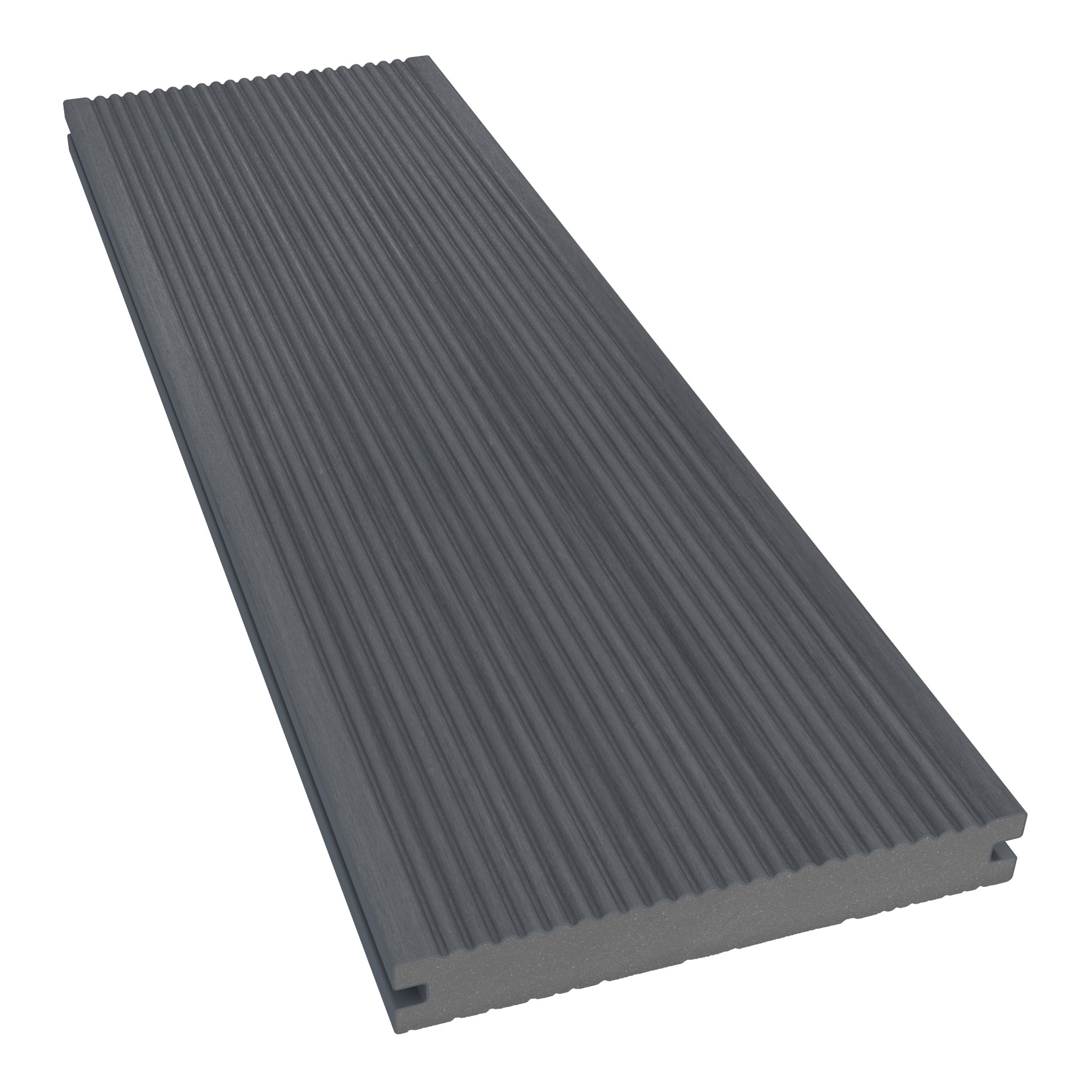
However, this does not mean that it should be left untreated; first-generation composites are more susceptible to mould than second generation composites. Capped composite boards are resistant to mould build-up as they have a protective shell of recycled plastic which locks out all moisture. Traditional boards, however, are more vulnerable without this protective casing. For this reason, care should be taken to prevent damage from occurring in the first place.
In this article we will investigate some simple methods to effectively remove mould from your composite decking to ensure that your decking continues to look its best. Let’s take a look...
Why Does Mould Grow On Decking Boards?
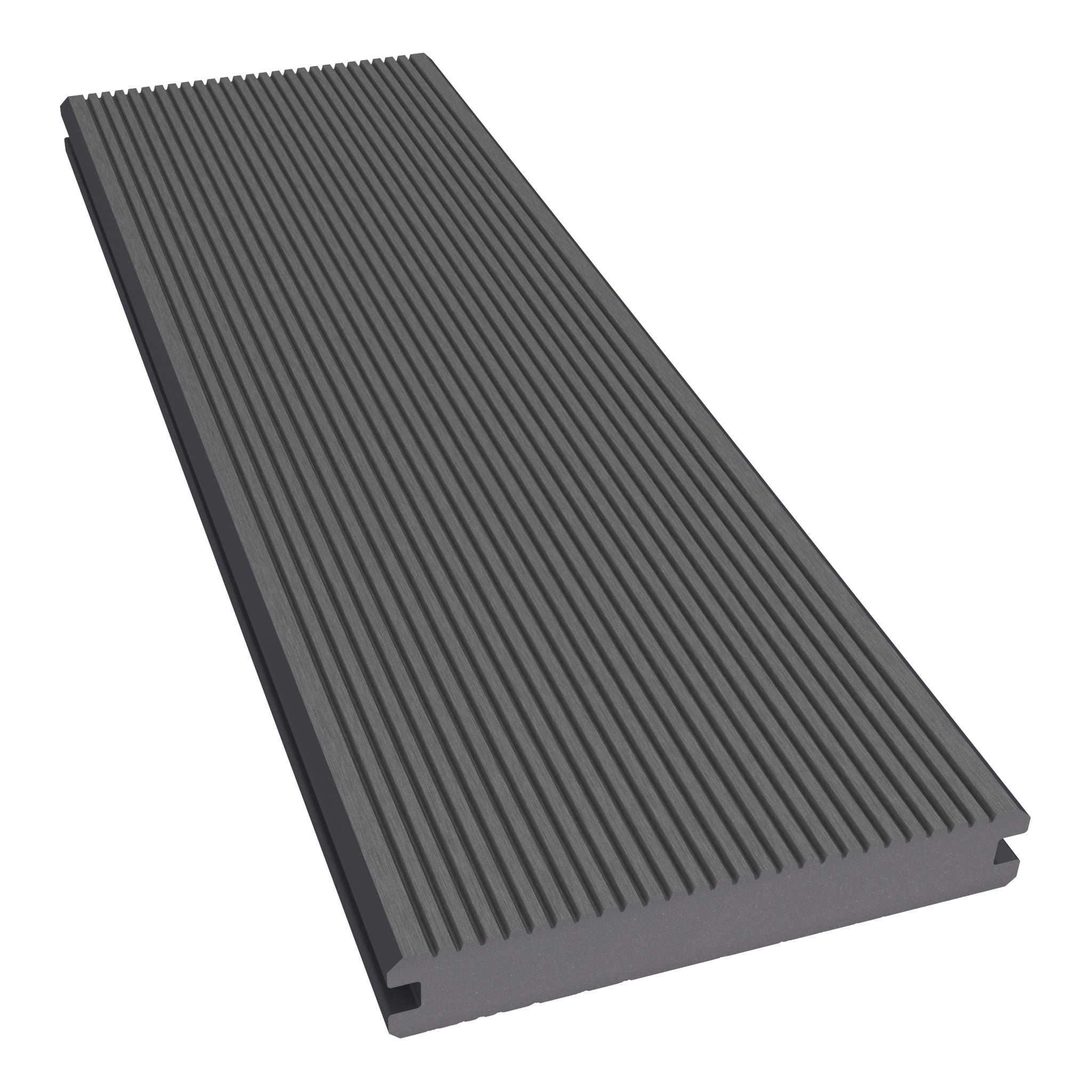
Mould grows from spores which develop and attach themselves to the organic material and is usually more noticeable in the early months of the year. After the frost has passed, milder days in the Spring give rise to blooms of mould and algae. If you wanted to grow mould in a laboratory you would need three things: organic material, moisture and air. These things are all present on your traditional composite decking boards (the Essential and Classic ranges).
Whilst not as susceptible to mould as traditional wood, because composite decking boards are made of 60% timber, your composite boards will still need occasional maintenance to keep them looking tip-top all year round. Mould will also only occur on the surface of the board, as opposed to the more penetrating, absorbent effects of mould that can escalate with traditional timber.

Treating Mould
Fortunately, mould on composite boards can be easily treated, unlike when it appears on timber. Because of the composite nature of our decking, the plastic acts as a kind of shield which protects the timber fibres. This means that removing mould is a relatively straight-forward process of giving your boards a scrub with a soft brush (not broom) or spraying down the affected area with a hose or pressure washer.
When using a hose, it is important not to leave the head on too high a pressure, as this can damage the surface of the board. As a general rule of thumb, use a fan head for your hose to distribute the water more gently, standing at 250mm away from the board. More stubborn stains can be tackled with Owatrol-Compo Clean. For more information on cleaning your deck, follow the simple steps in our general care guide.

Which Decking To Choose?
If you have a shady garden or one which does not receive direct sunlight for large parts of the day, it may be that even traditional composite decking would be more vulnerable due to amount of standing water, moisture and damp conditions. Should this be the case, you may prefer to investigate our second-generation composites.
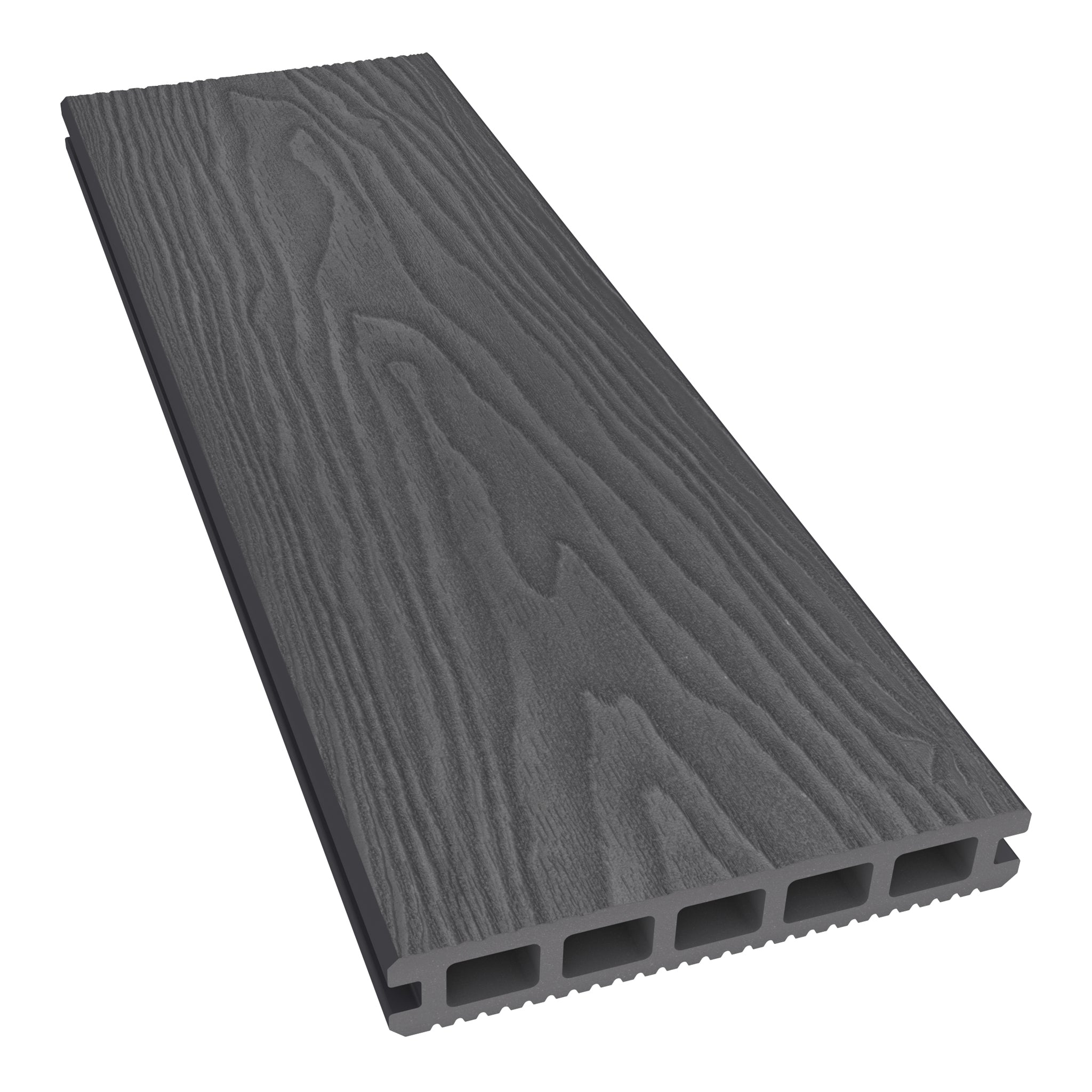
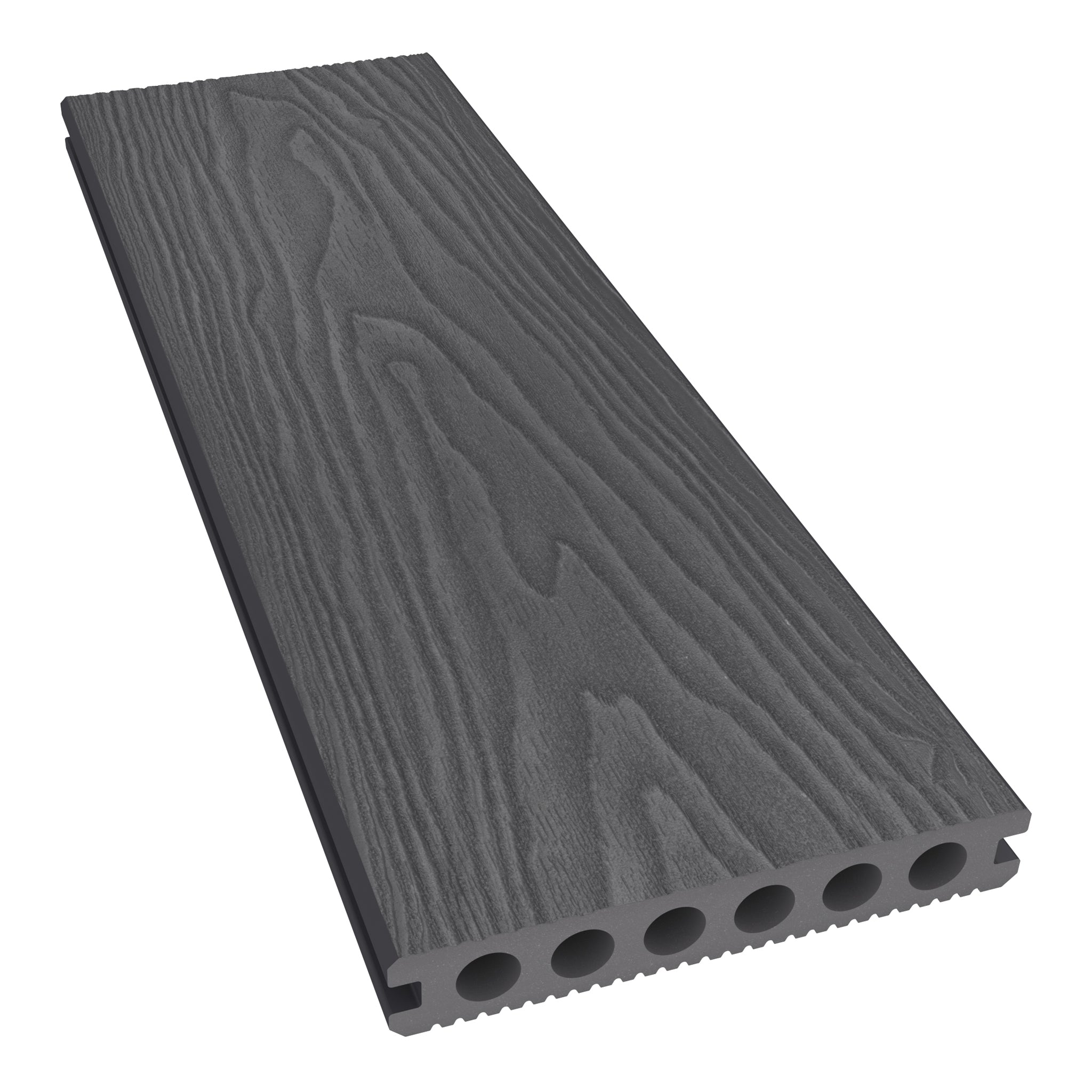
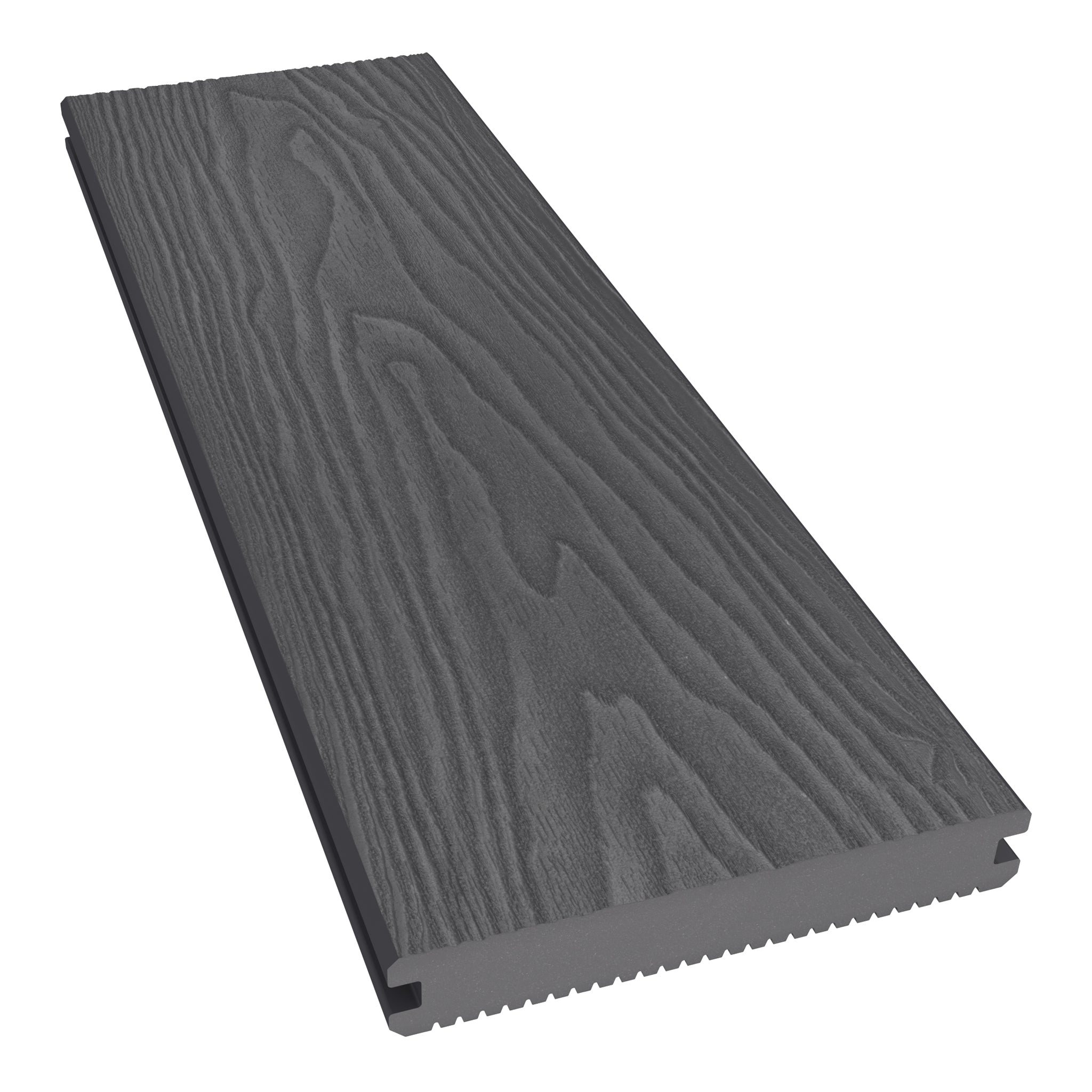
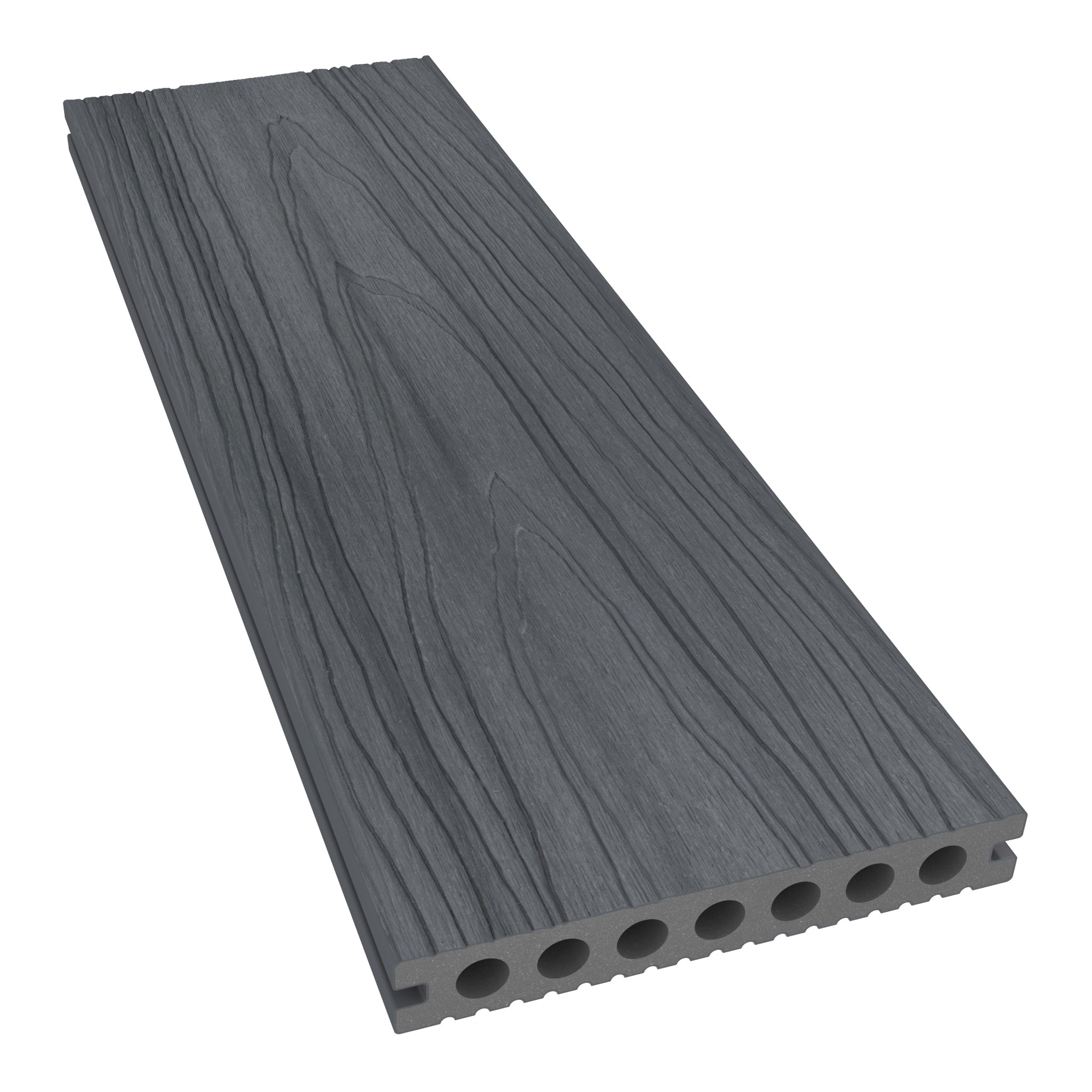
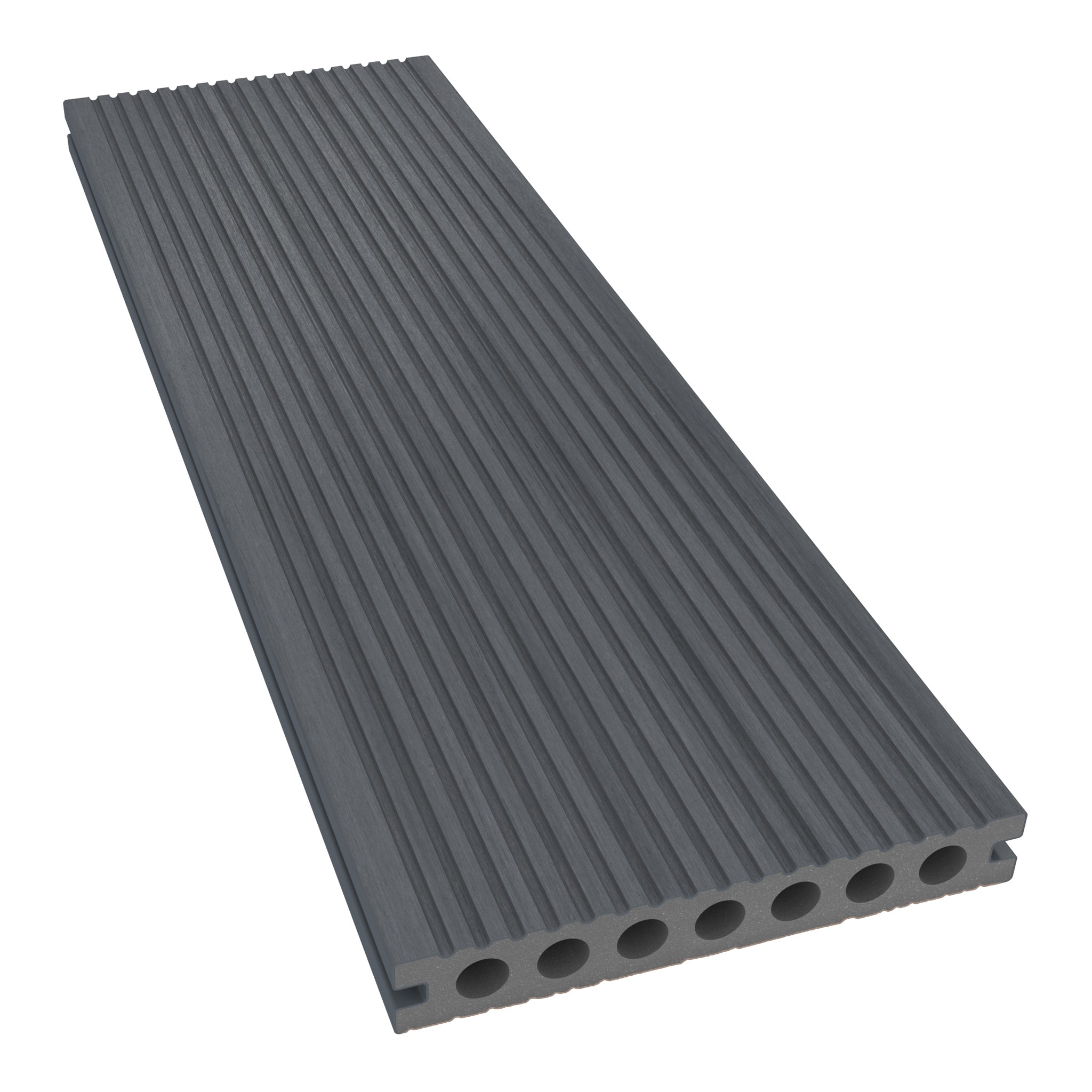
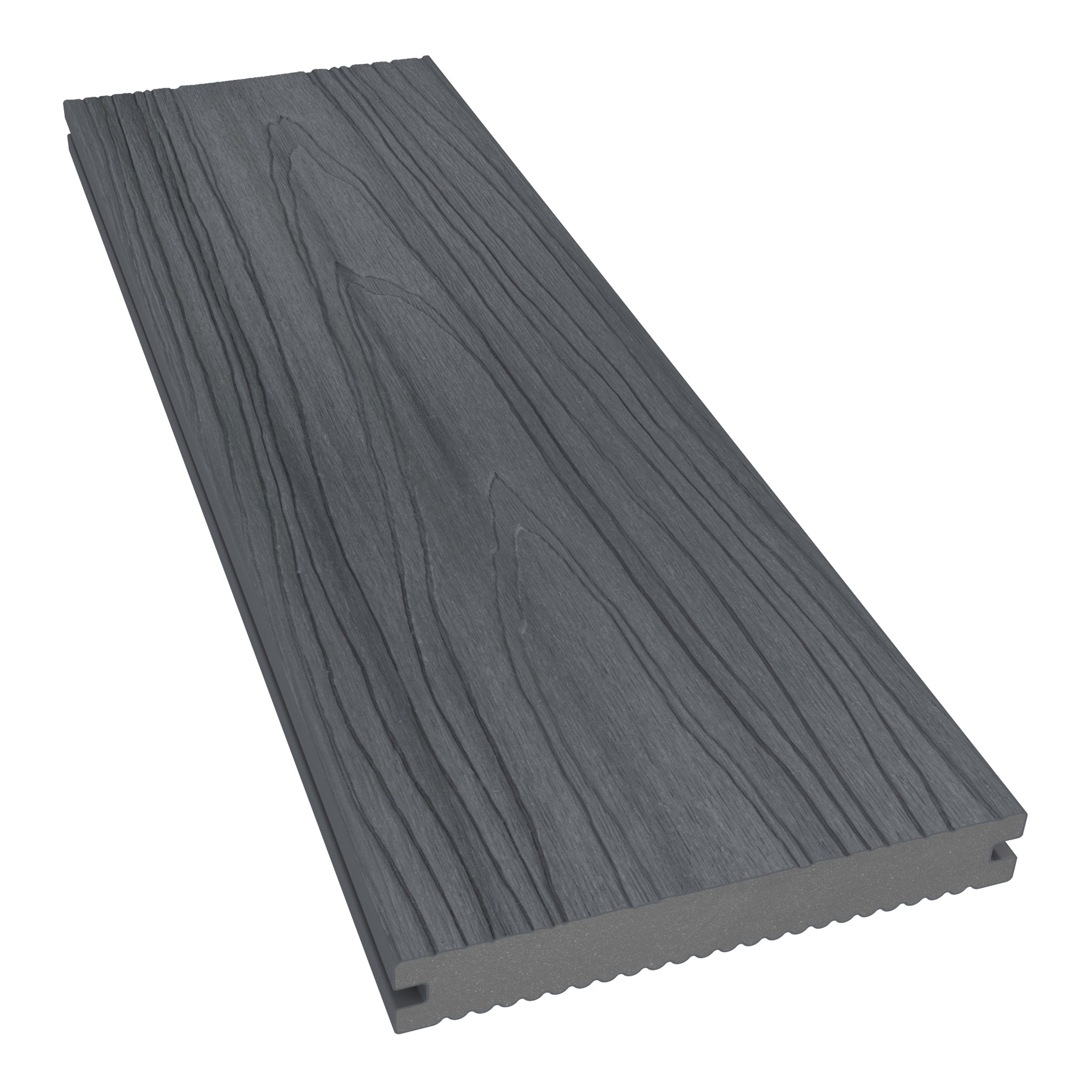
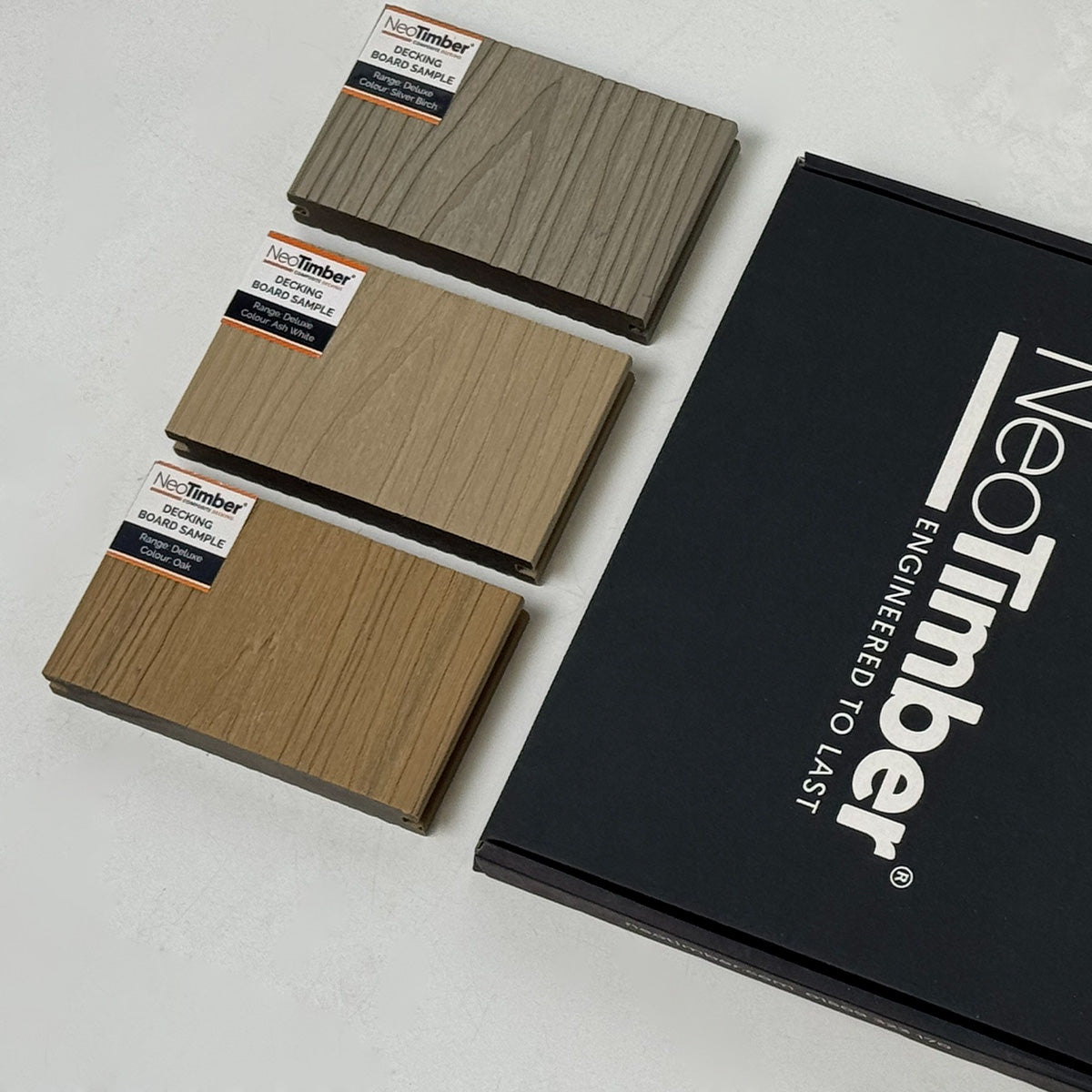
Our capped composite decking range, including the Advanced and Deluxe decking boards, are more impervious to moisture, due to them being wrapped in a thin polymer layer. Our capped boards manage to do this whilst still closely resembling timber due to the pattern and moulding of the organic material beneath.

How To Remove Mould From Composite Decking
Keep your NeoTimber® deck looking its best all year round. Learn how to remove mould from composite decking with simple cleaning steps that restore appearance and prevent future build-up. Take action today and enjoy a cleaner, safer outdoor space.