



While scratch resistant composite decking isn’t completely scratch-proof, it’s highly durable. Here are some practical tips for treating scratches and scuffs on your deck.
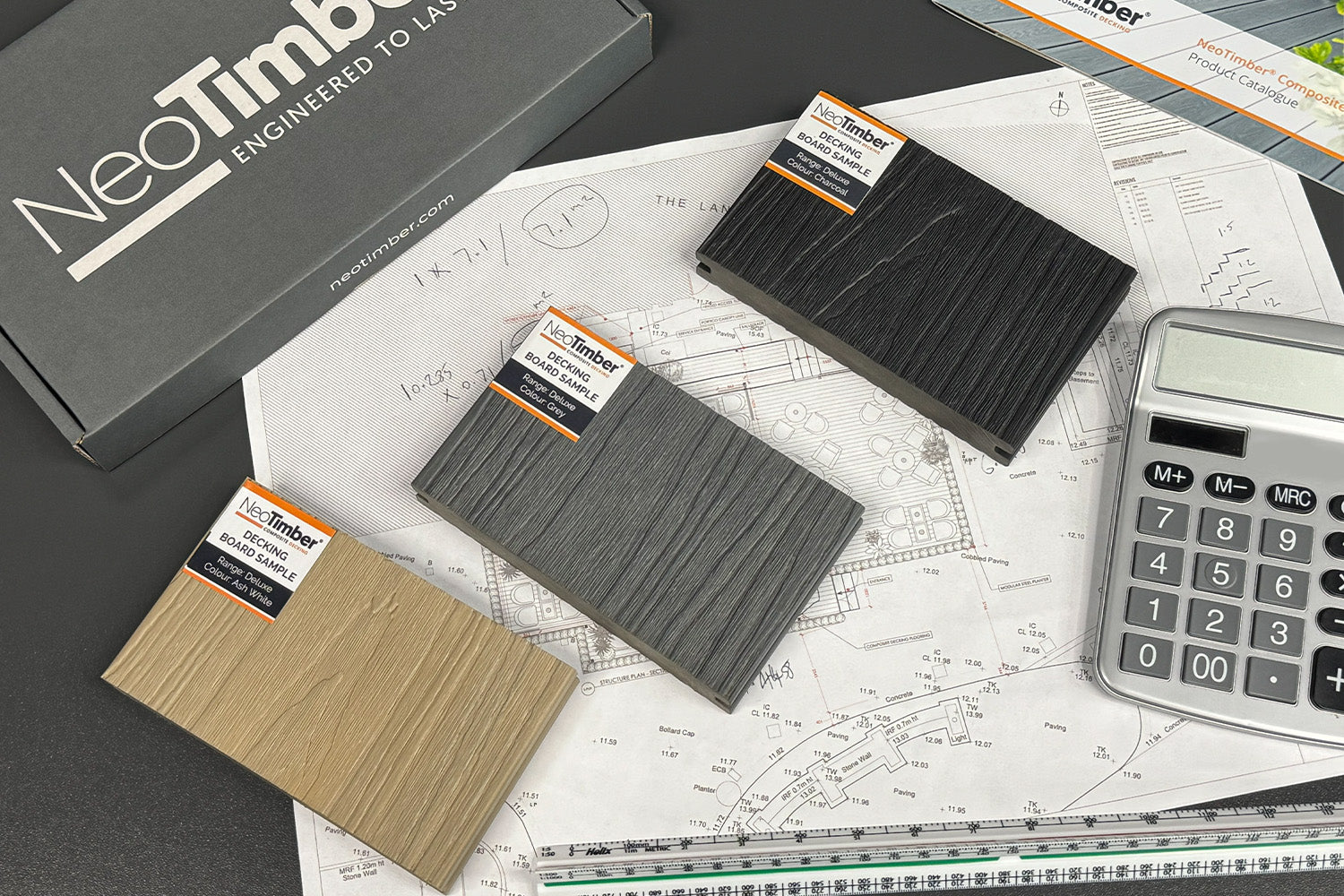
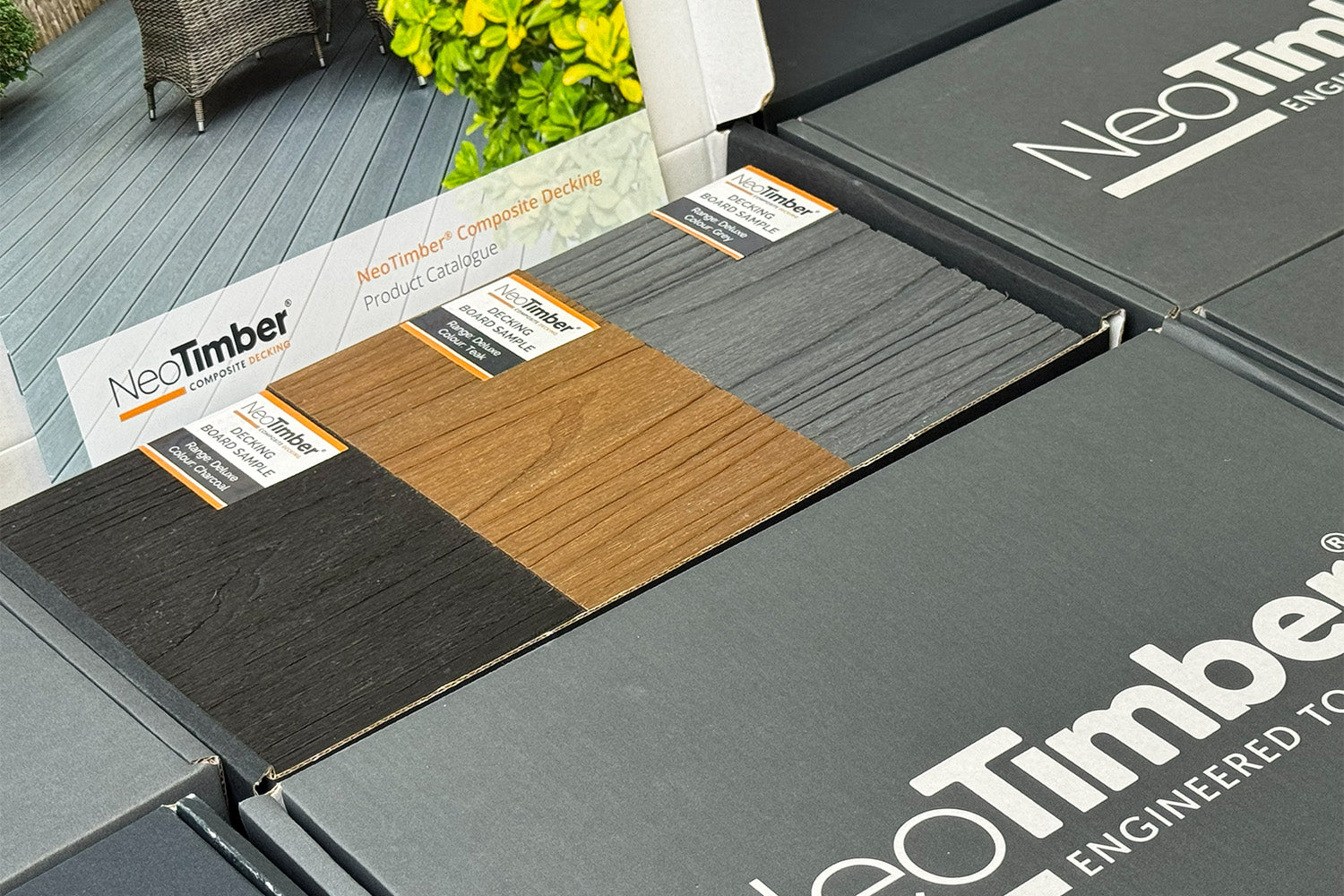
NeoTimber® composite decking is a man-made product designed for lasting performance and style. Engineered with Composite Decking Scratch Resistance in mind, it offers exceptional durability against everyday wear. The boards resist staining, scratching, warping, and rotting, ensuring they look great for years to come. NeoTimber® combines wood fibres with advanced plastic components to enhance strength and provide long-term Composite Decking Scratch Resistance, protecting your decking from the elements and daily use.
While NeoTimber® composite decking looks stunning and resists surface scratches, it is still possible to scratch your decking. There are a few things you need to know to protect your decking from damage. Understanding composite decking scratch resistance is key to keeping your outdoor space looking its best. Outdoor flooring has a fair bit to contend with when compared to the indoor stuff, and scratching usually occurs when furniture is dragged across the deck, pieces of grit get stuck in shoes, or via some other external force such as overhanging trees and shrubs hitting the deck. Choosing a material with strong composite decking scratch resistance will help ensure your decking stays smooth and attractive for years to come. We understand that sometimes scratching can be unavoidable and we have therefore created a list of things you can do to treat scratching on your NeoTimber® decking.
How To Best Treat Scratching
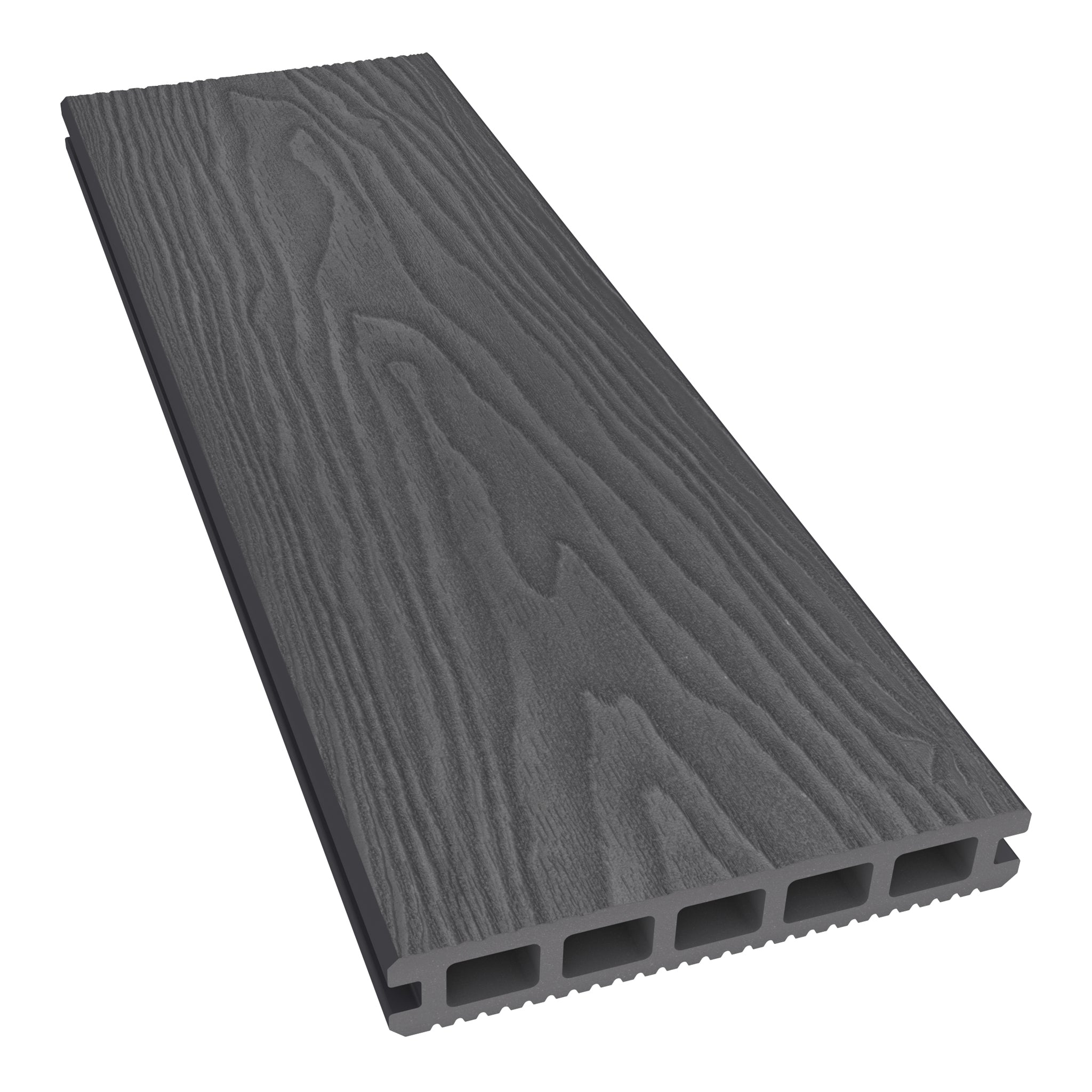
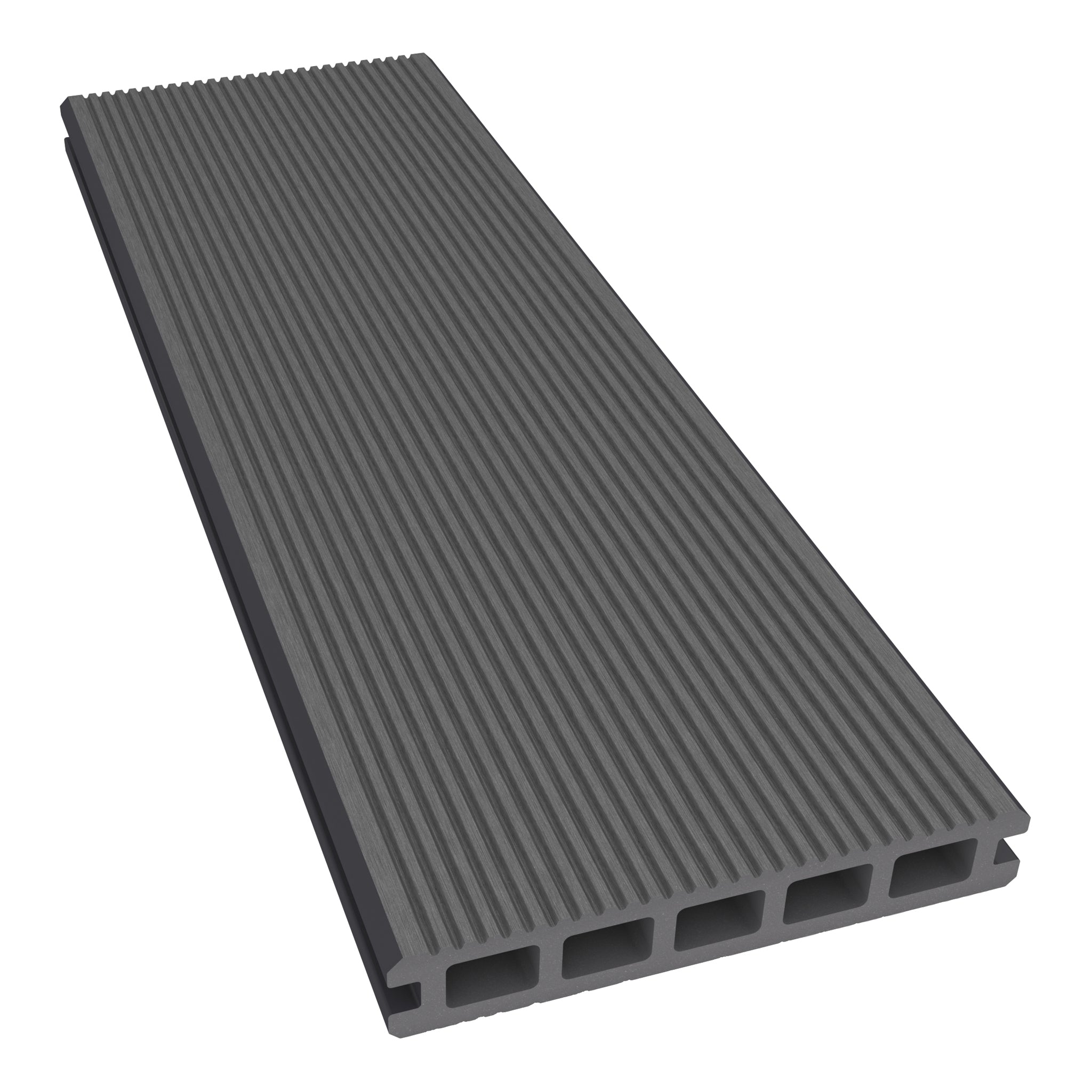
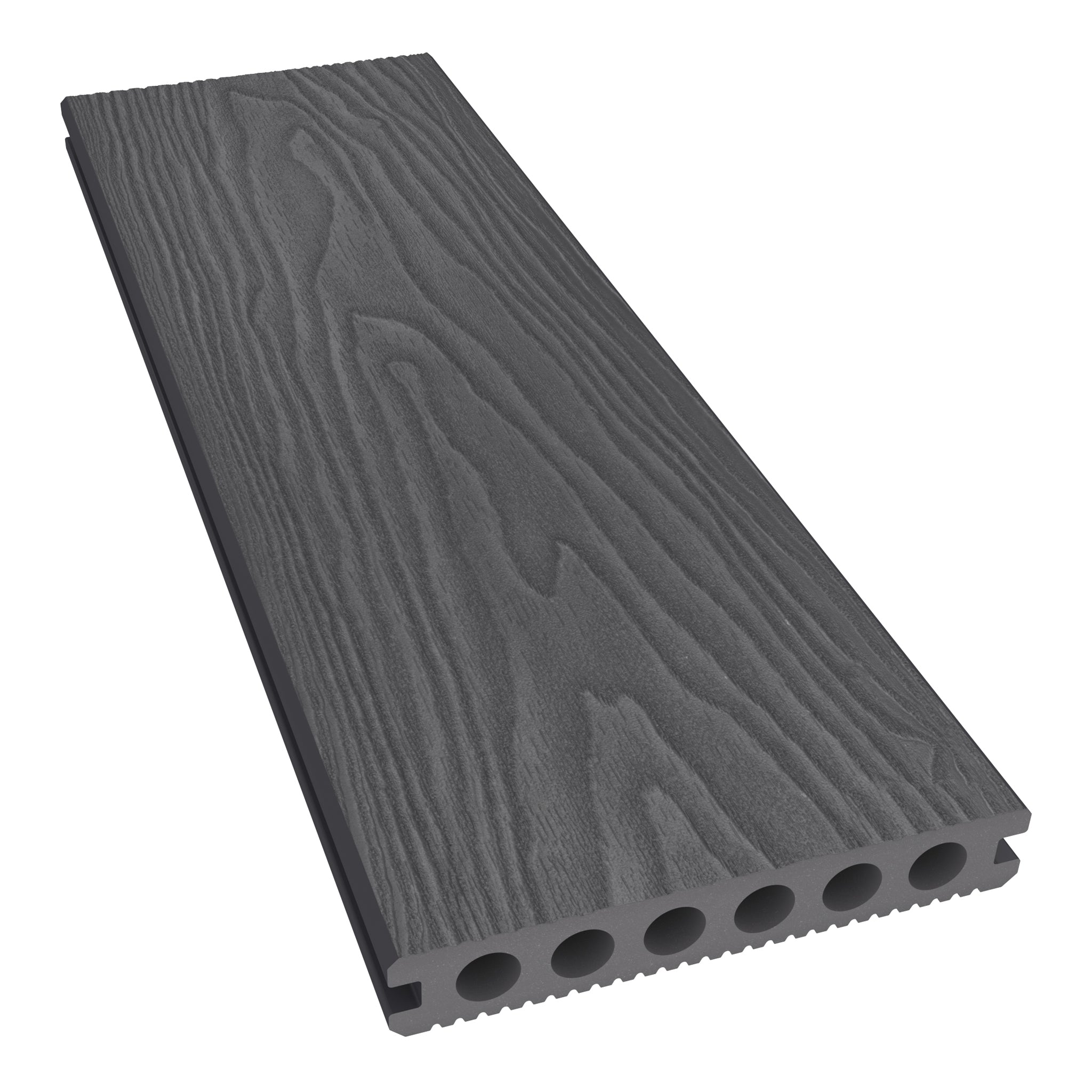
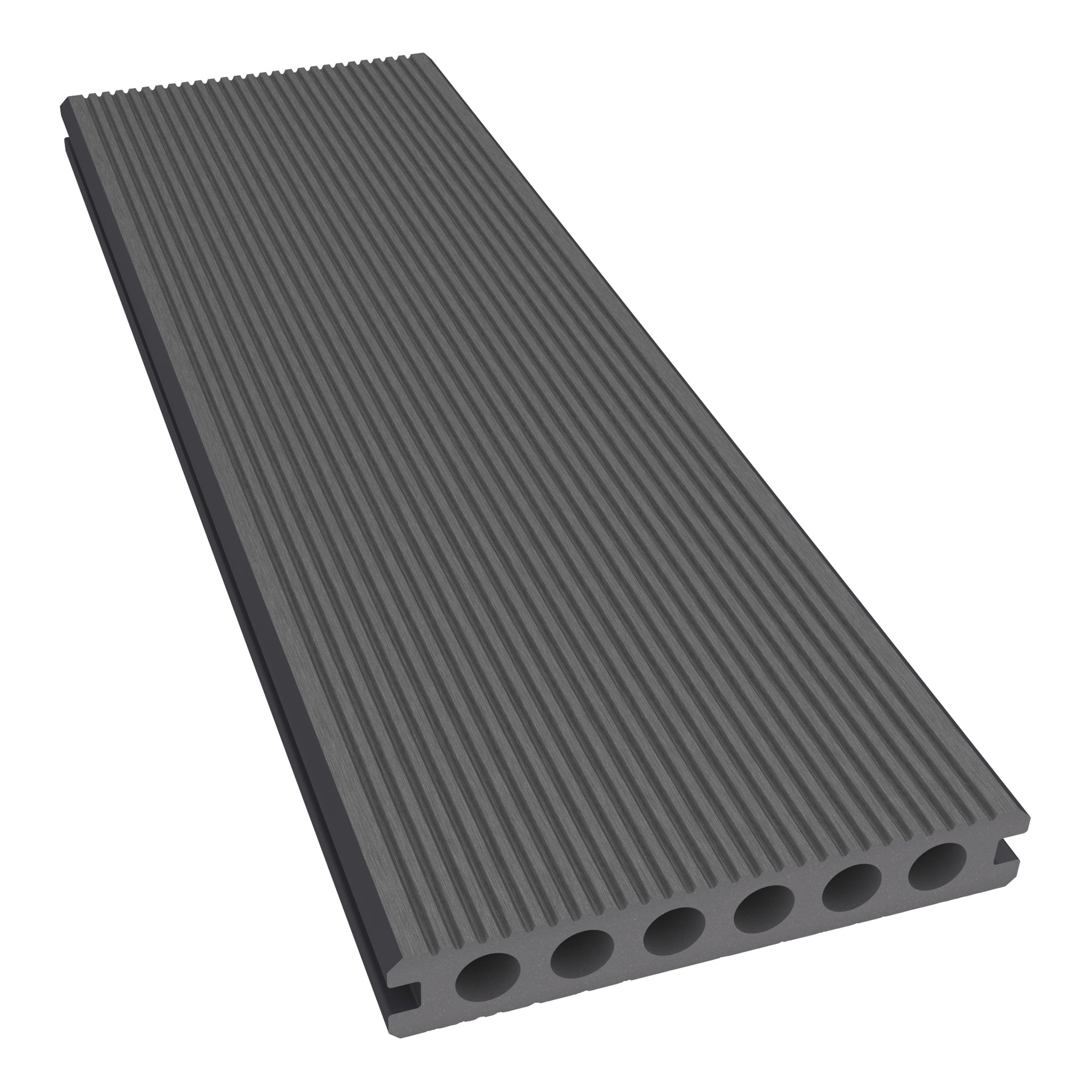
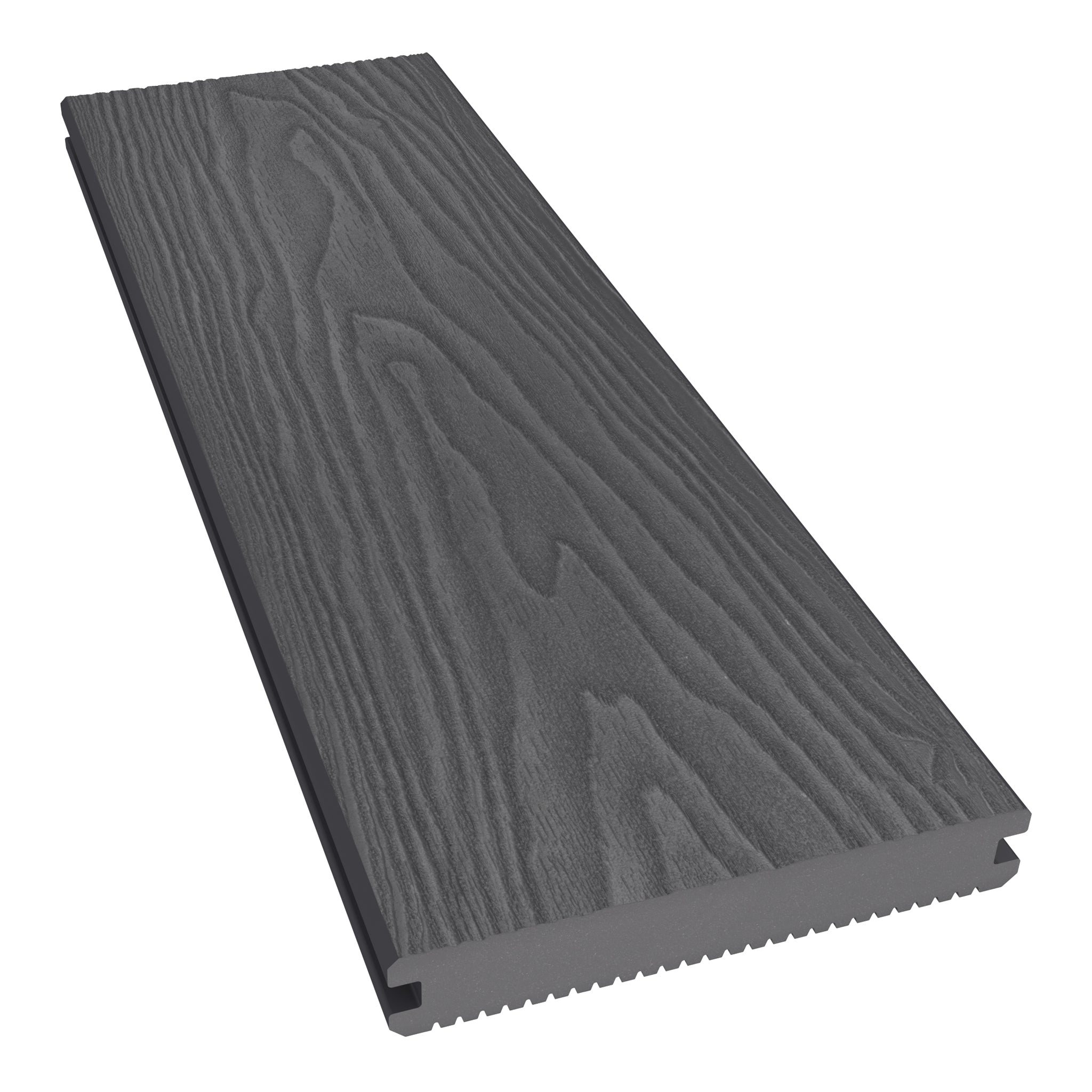
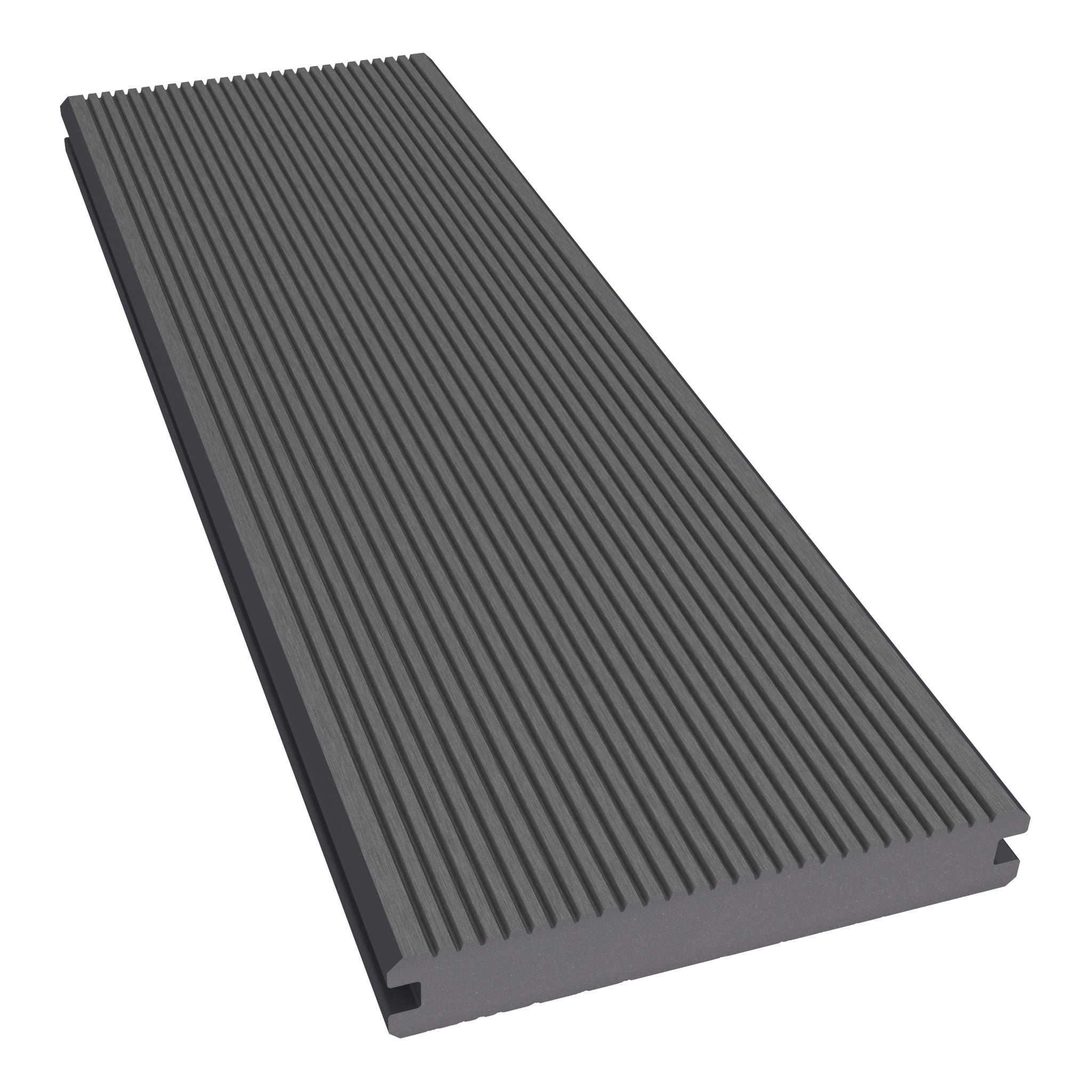
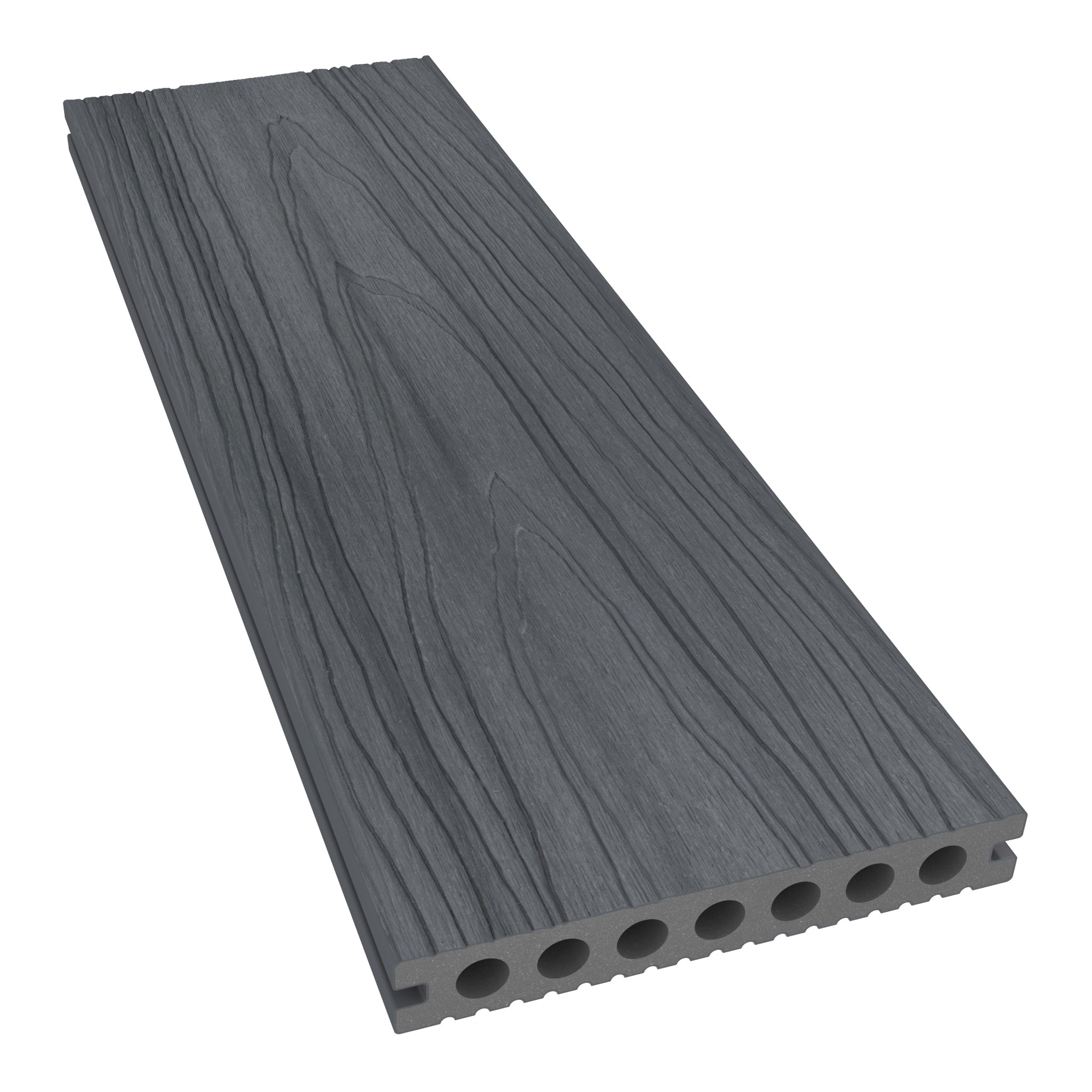
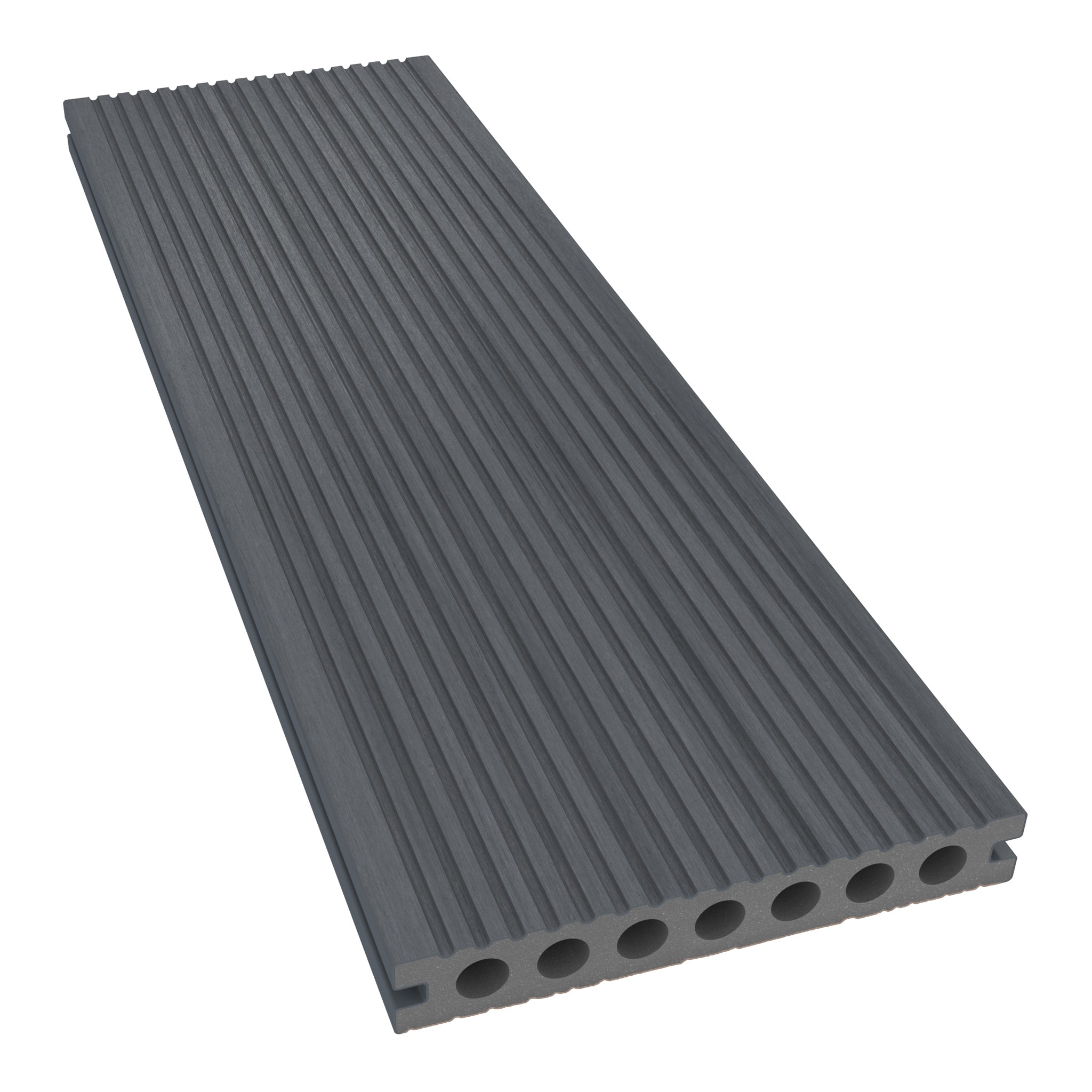
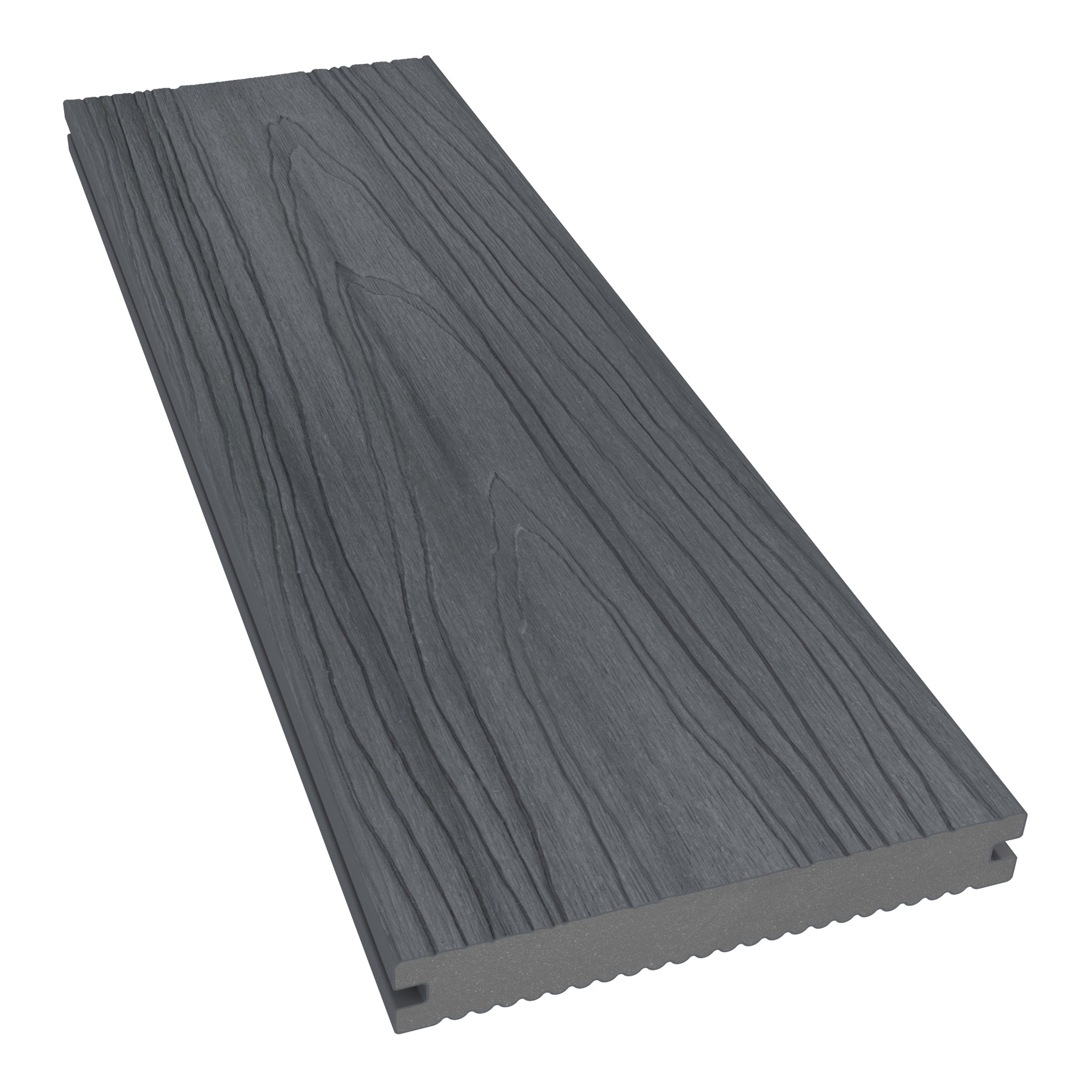
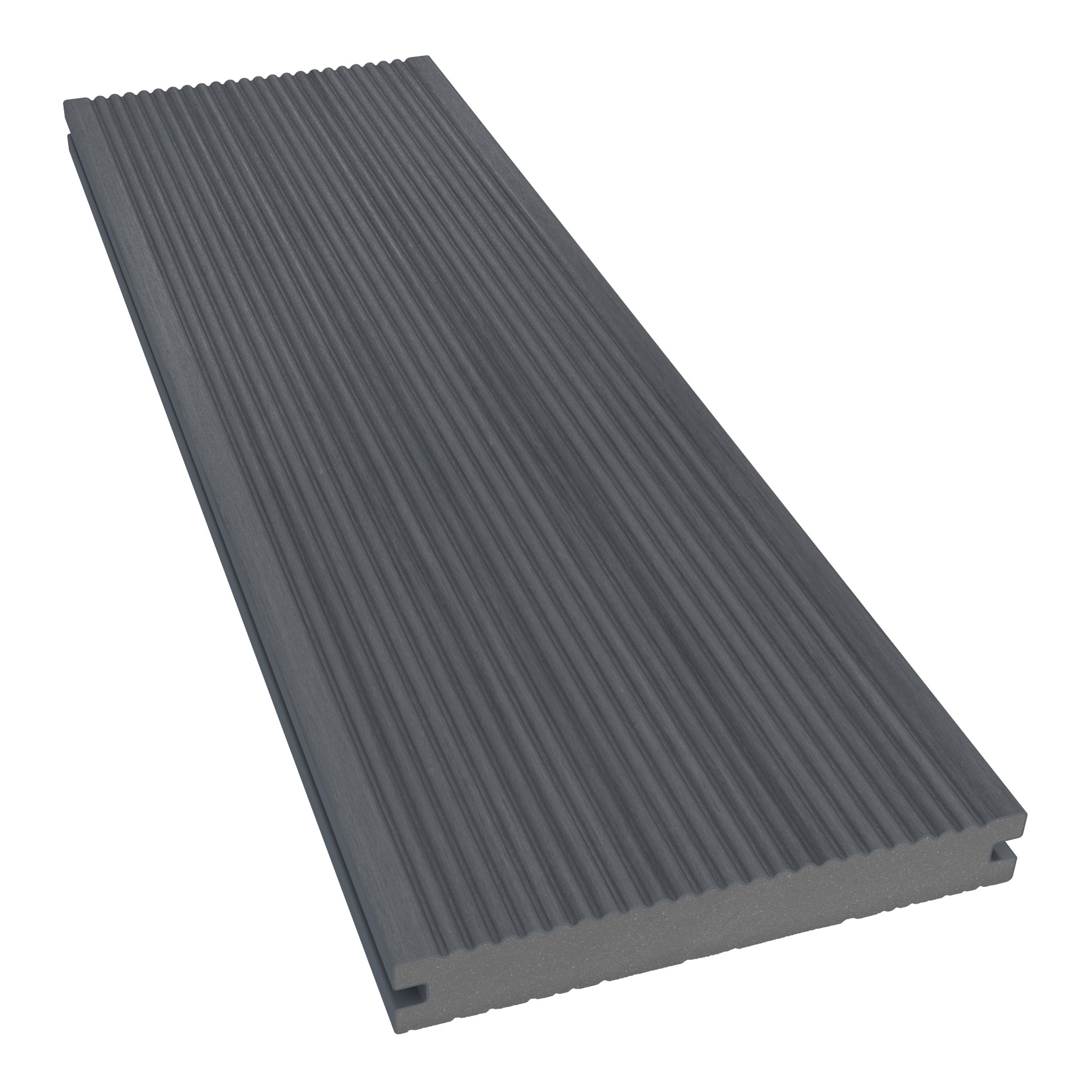
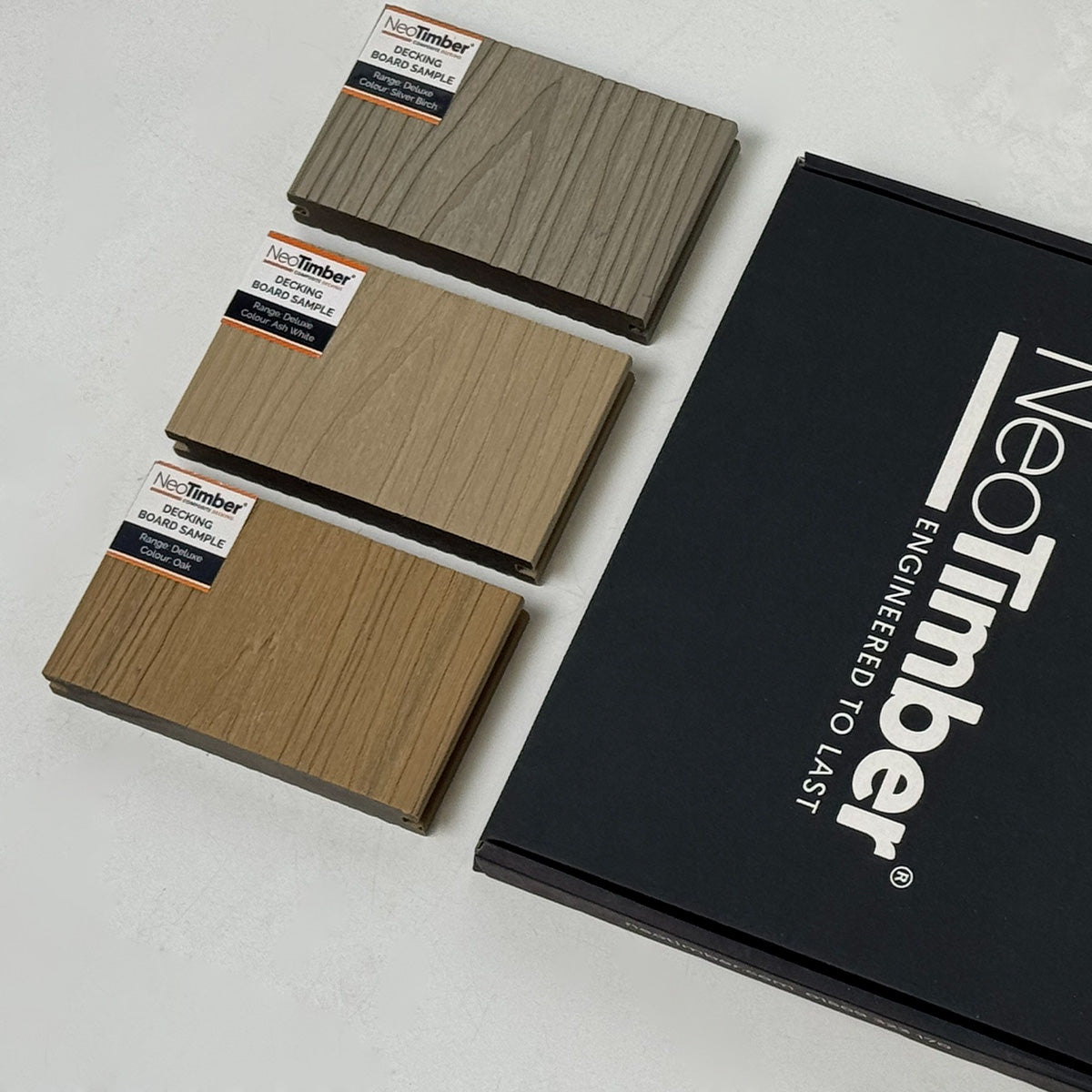
Despite your best efforts, the rough and tumble of life, children and general use may result in a scratched decking. So how do you deal with a scratch if your deck becomes damaged? NeoTimber® decking is supplied in two types of board, traditional and capped. The traditional composite decking range is the first generation of composite decking and is a 60/30 split of wood and plastic with the rest being made up of bonding materials. The traditional range has a textured finish meaning that minor scratches are more easily disguised. The capped composite decking range has a hard plastic shell around the composite materials and care should be taken with treating scratches on its surface.
Treating Scratches On The Traditional Composite Material
Surface scratches can usually be treated by applying a fine (60-grit) sandpaper to the surface of the product. It is advisable to first test how much pressure is required by using the sandpaper on an off-cut before treating the scratch. Always apply the sandpaper along the length of the deck and never against the grain. Initially, any sanded section will appear lighter. However, be aware that over a period of time, natural weathering will occur after which the lighter area will blend in more naturally and the scratch will appear much less noticeable.

Treating Scratches On The Capped Composite Material
Capped composite decking can be treated with an 180-grit fine grit sandpaper to smooth the edges of the scratch. Test with a spare piece first to understand how much pressure should be applied. Again, we recommend applying pressure along the length of the deck board. Deeper scratches can be treated using a heat gun, however, take care not to set the gun too hot or to hold it too close as permanent damage can occur. Using sparingly, set to 450C and hold the heat gun no closer than 3 inches above the surface of the deck moving it slowly back and forth, take care not to focus the heat on just one small section as this can damage your deck. Should the heat cause any bubbling of the material, once hardened, lightly sand the bubbling to smooth out the surface of your deck.

How To Avoid Scratching Your Composite Decking In The First Place
Far better than treating scratches is to take measures to prevent them from occurring in the first place. When choosing furniture for your deck, try to select static furniture pieces. Modular furniture and modern rattan styles are designed to be left in one place and so would be a good option to minimise damage.

Here are some additional measures you can take to prevent damage from occurring:
- Just as with a laminate floor in your living room, applying Teflon® or felt sticky pads to the feet of furniture that sits on the deck will prevent chair legs and feet from scratching the composite decking.
- Be careful to ensure all debris is cleared from your deck, for instance, if drilling a wall above the deck, clear rubble, brick dust, and grit to prevent loose pieces of debris from damaging the surface of your deck.
- If you will be using your deck for access in cold months, avoid using metal tools when clearing ice and snow from decking. Alternatively, buy a plastic snow shovel rather than a metal one and store other metal tools such as forks, spades, rakes and hoes away from your deck.
- When installing composite decking, be sure to clear all building debris, soil, stones and rubble from the deck.
Taking these simple steps to protect your deck from surface scratches and treating them as they occur will preserve your deck for many years to come.