





Why Do You Need Decking Tape?
If you’ve ever built a deck, or even just admired one while sipping a drink on a summer afternoon, you might not realise there’s a small but mighty hero working behind the scenes. Meet decking tape. It's not glamorous, but it could be the difference between a deck that lasts five years and one that stands strong for decades. Let's dig into what decking tape actually is, why you should absolutely be using it, and how it fits into your decking project.

What Exactly Is Decking Tape?
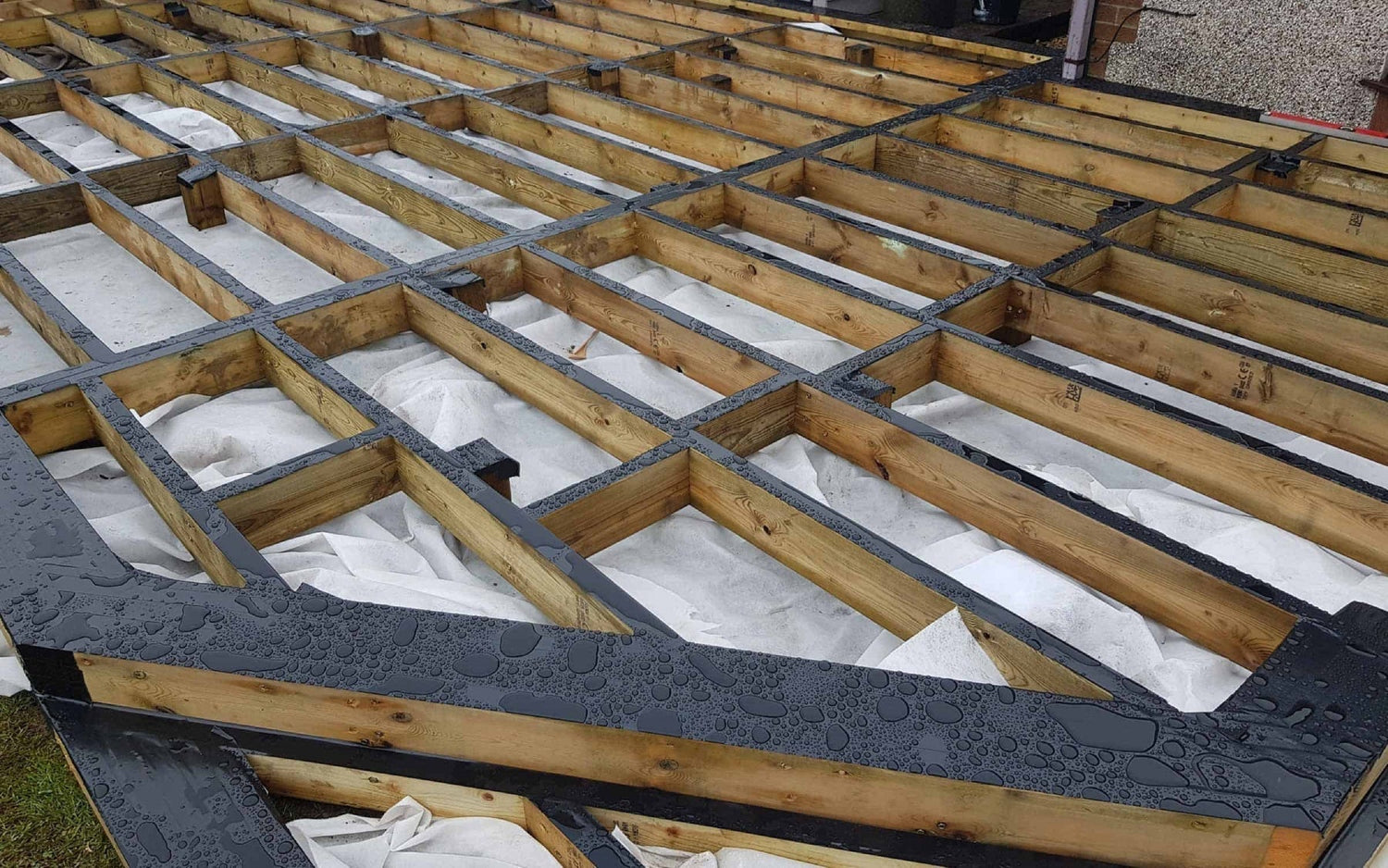
Decking tape is a self-adhesive, self-sealing tape manufactured from a strong polymer acrylic adhesive, applied directly to deck joists. Its mission? Protect timber decking from water ingress and prevent long-term decay. Think of it as a raincoat for the bits of your deck that never see the sun.
Traditional timber decking may look good when freshly installed, but it has a major weakness; it’s prone to absorbing moisture, which leads to rot, splitting and structural deterioration. This is especially risky for the subframe, where moisture can linger undisturbed. Once that sets in, it’s not just about aesthetics, it’s a structural concern.
Why Should I Bother With Decking Tape?
Let’s break this down simply. Timber decking hates water. Water loves to ruin things. Decking tape keeps water out. That’s the main plot twist.
But in case you want more:
- Prolongs Decking Life: It acts as a barrier between water and your substructure.
- Reduces Maintenance: Protected deck joists mean fewer repairs down the line.
- Protects Investment: You spent good money on outdoor composite decking. Let’s keep it standing tall.
- Increases Safety: We’re not saying your deck will collapse without it, but do you want to take that chance?
- Easy To Use: Just peel and stick. No DIY nightmares here.
How Does Deck Tape Work?
It’s literally all about sealing the deal. When applied to joists before you lay down boards, decking tape creates a waterproof seal over the timber. That seal prevents moisture from pooling around decking fixings, screw holes and decking subframe surfaces.
And don’t worry, once it’s down, it stays down. Most high-quality tapes are UV resistant and weatherproof, so they won’t curl or shift over time.
That means you get lasting protection without constantly having to inspect your decking subframe for early signs of damage. Yes, even in sideways rain.
When Should You Use Deck Tape?
If you're laying a new deck, this is the moment. Do not pass Go, do not collect rot. Before installing your deck tiles or boards, line each joist with decking tape. Simple.
Even if you're replacing old boards, it’s worth adding tape at this stage, especially if the decking pedestals or framework are still in good condition. Consider it an upgrade for your structure’s long-term survival.

Why Deck Tape Is Especially Important In The UK
Britain can be a land of drizzle, downpour and damp socks. Our weather doesn’t just ruin barbecues, it also shortens the life of unprotected decking.
The UK’s moist climate makes decking tape less of a luxury and more of a necessity. Frequent rain means water gets into places it shouldn’t, like exposed joist tops or decking edging. Without protection, timber decking starts to break down from the inside out.
And even if you’ve gone for maintenance-free decking boards like those from NeoTimber® your underlying substructure still needs TLC. That’s where decking tape earns its stripes.
How To Apply Decking Tape
Here’s the good news, you don’t need a PhD or a builder. Here’s the usual method:
- Start With Dry Joists: Moisture is the enemy. Wait for a dry day.
- Clean The Surface: Dust and dirt affect adhesion.
- Measure And Cut: Roll out your decking tape to match each joist length.
- Peel And Stick: Apply down the centre of the joist, pressing firmly.
- Seal The Edges: Smooth down to avoid water sneaking in underneath.
- Overlap Where Needed: No gaps. Overlap joins slightly to keep things watertight.
This bit of prep might take a little longer, but it’s worth every extra minute.
What To Look For In Quality Decking Tape
Not all tapes are created equal. Go for one that ticks these boxes:
- UV Resistant: Sunlight won’t ruin it.
- Flexible: Adapts to irregular timber surfaces.
- Wide Enough: Covers entire joist top for full protection.
- Long-Lasting Bond: Won’t peel off over time.
Bonus points if it doesn’t make your hands stick together.
Can I Use It With Composite Decking?
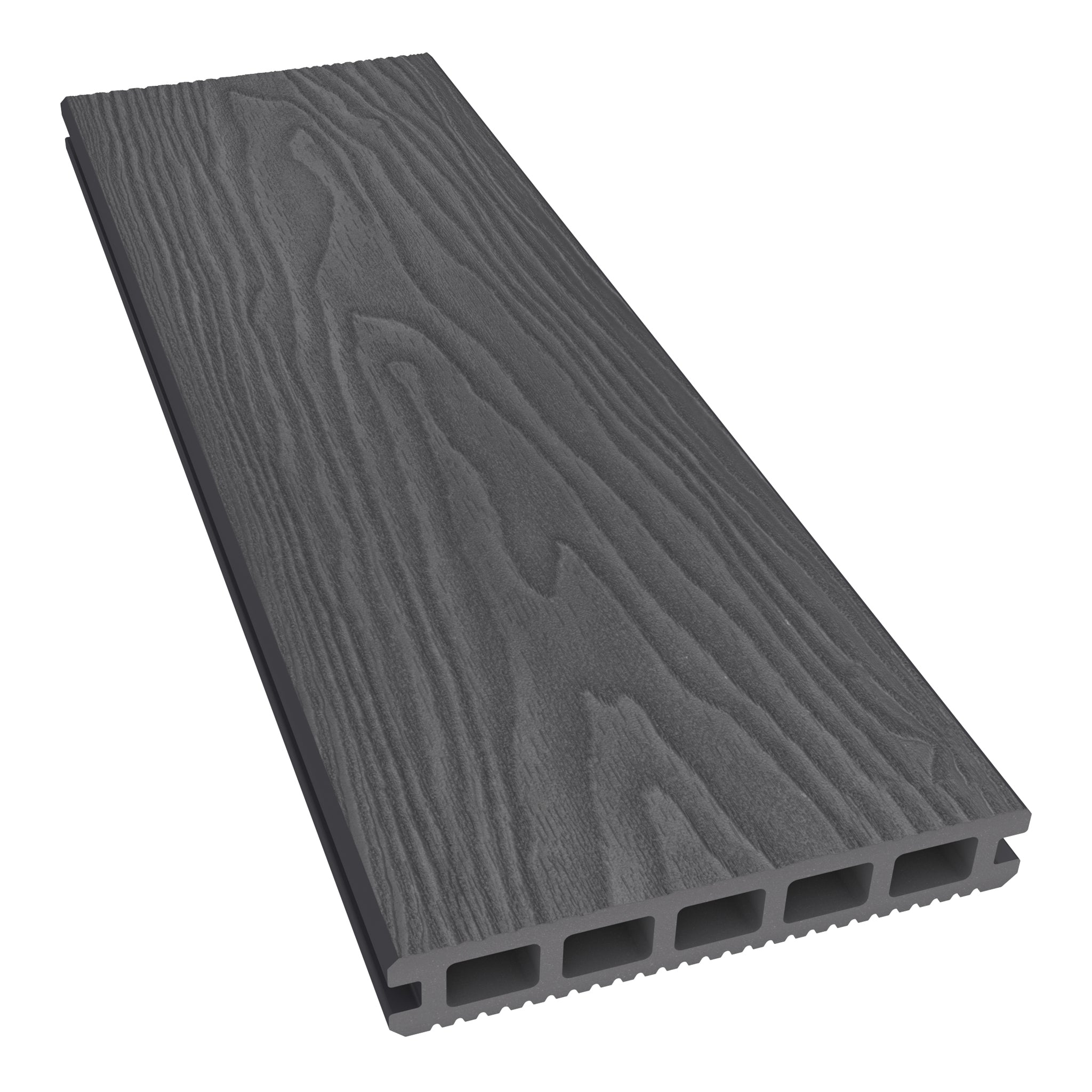
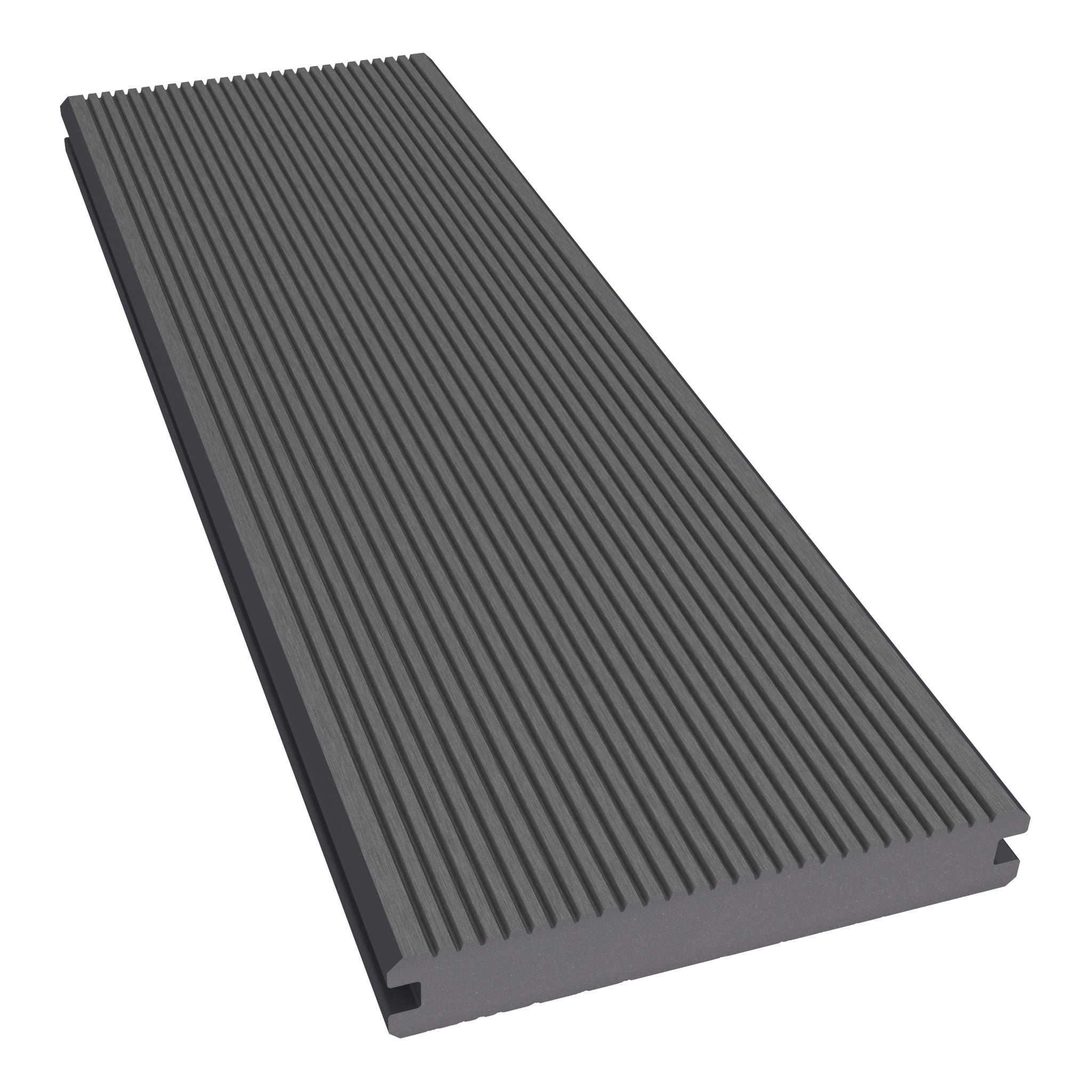
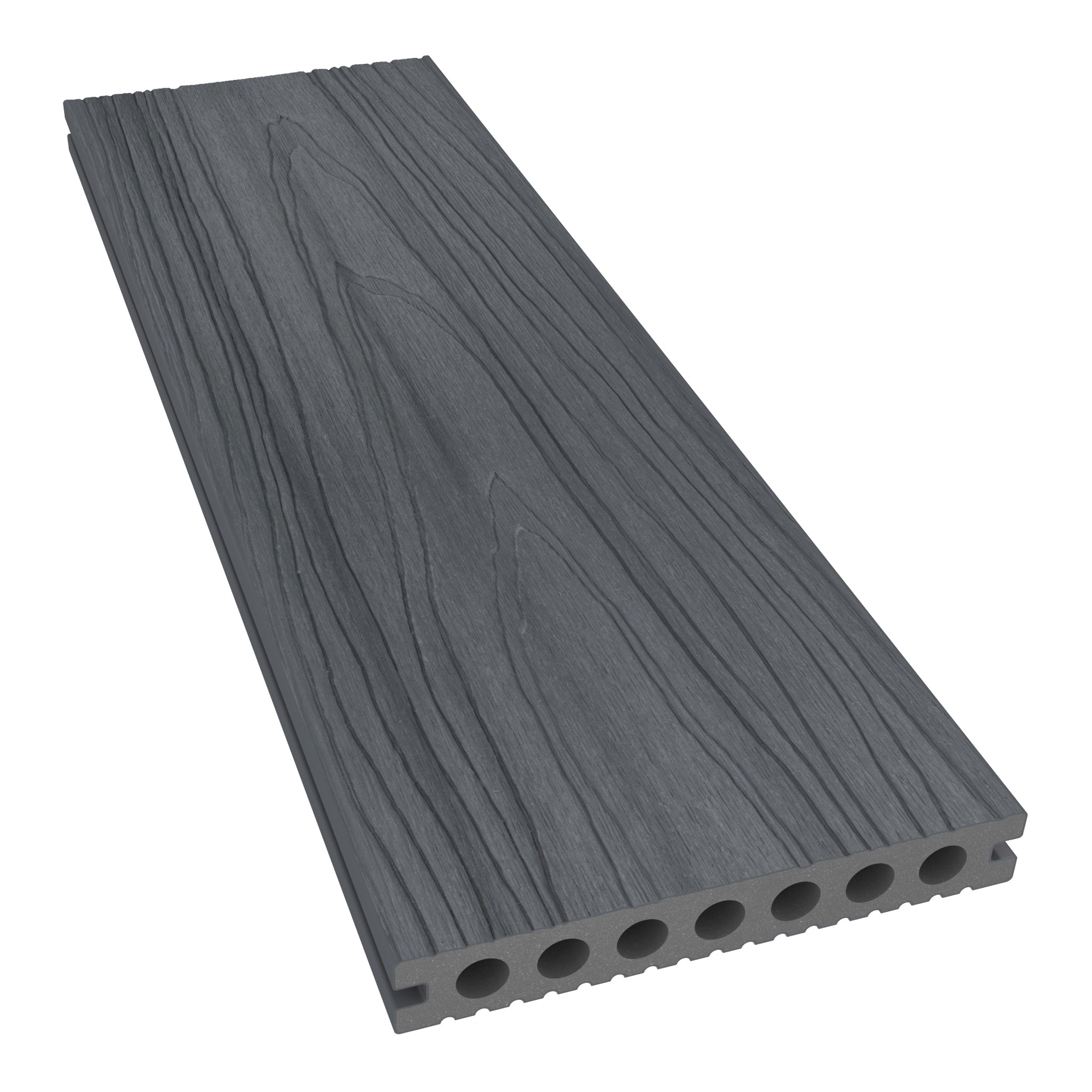
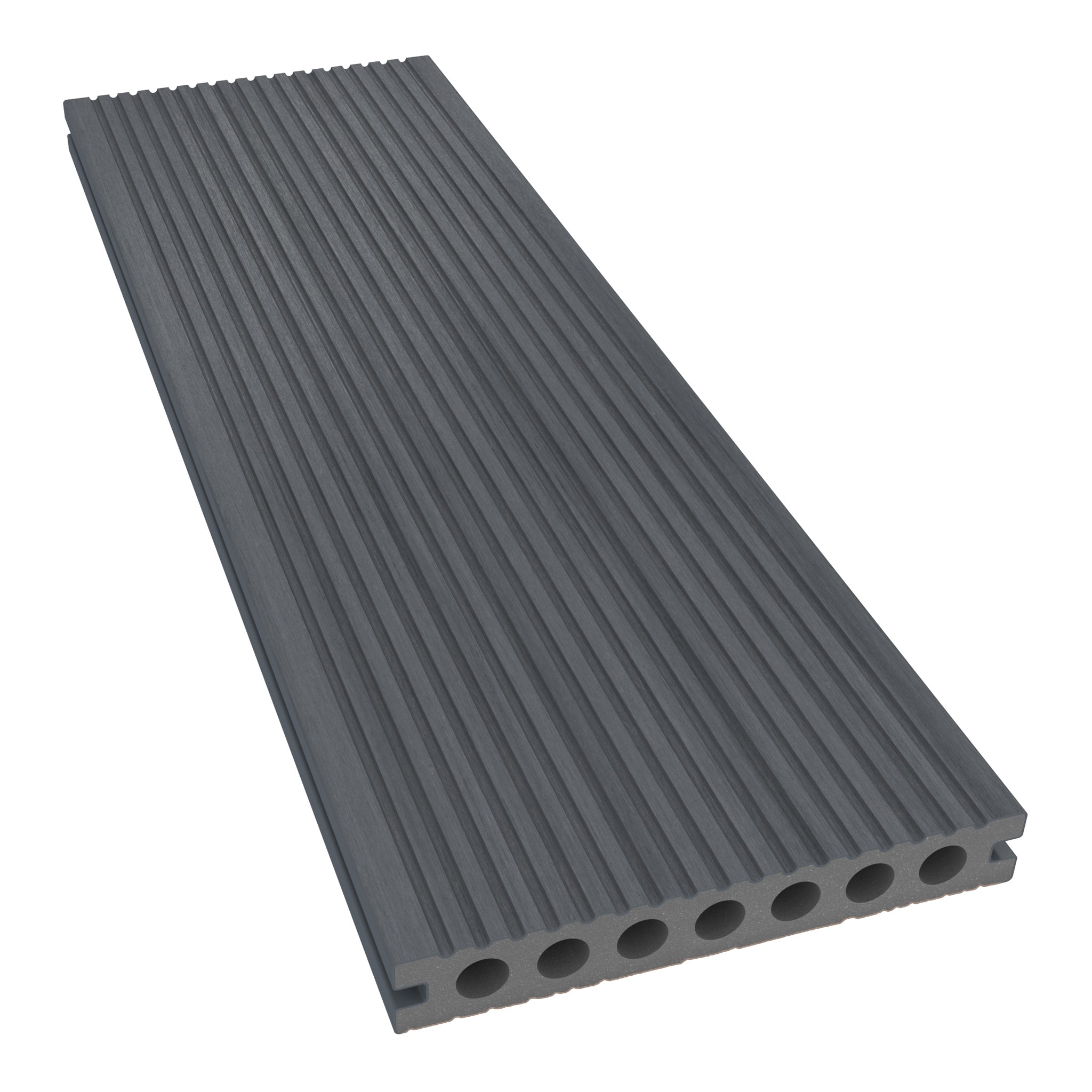
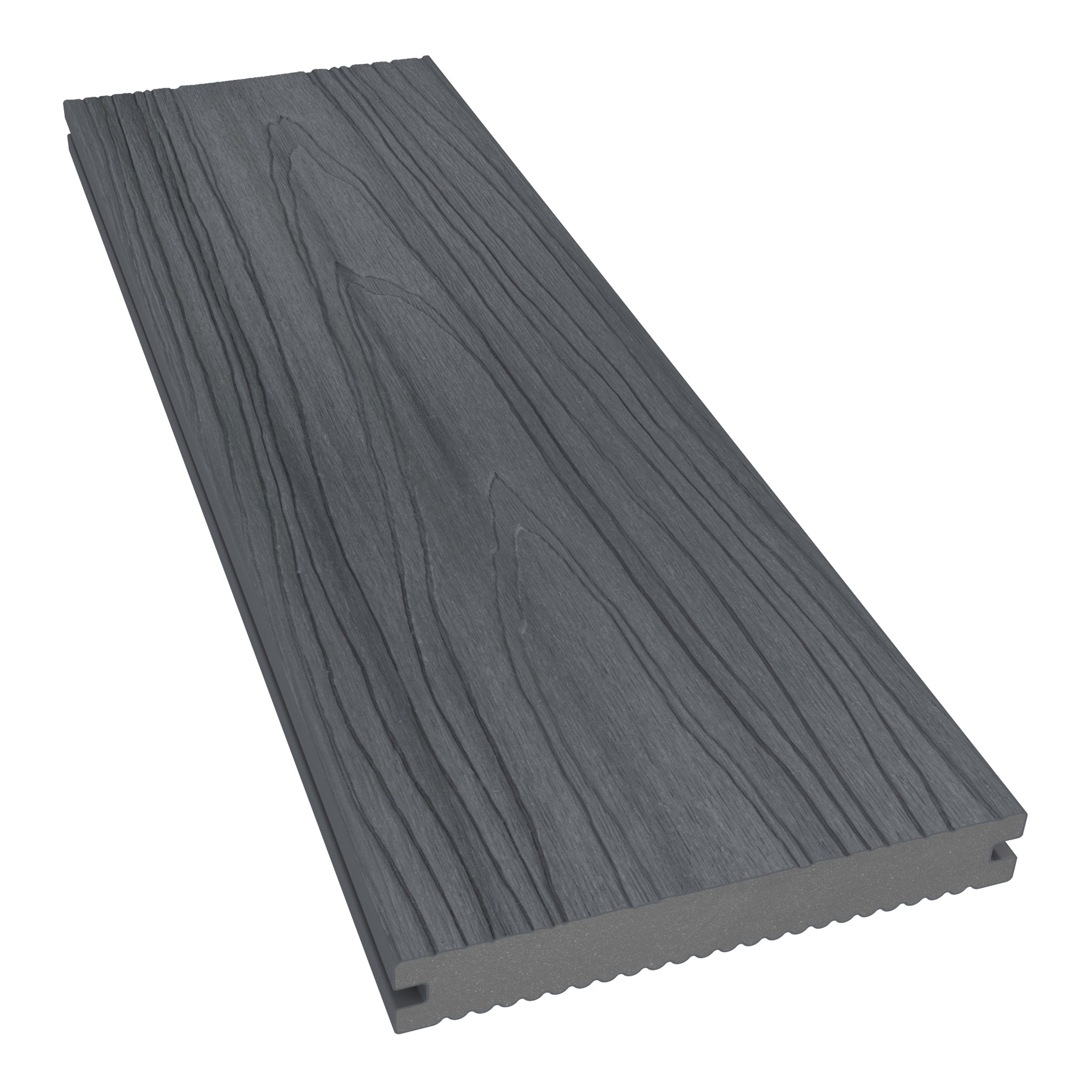
Absolutely, and you should. While composite decking is built to resist weather and rot, the timber substructure still needs protection. If you’re using reversible, solid or even hollow composite decking, the tape ensures the foundation holds up as long as the surface does.
It also supports components like decking trim, decking fascia and grooved decking by keeping everything stable underneath.

Upgrade Your Subframe Because Composite Beats Timber
Even with high-quality decking and a watertight seal, your deck is only as reliable as its foundation. Traditional timber subframes are prone to warping, splitting and, of course, rot, especially in the UK's damp climate. That's why NeoTimber® offers composite subframes as a smarter, longer-lasting alternative. Designed to resist moisture, decay and distortion, composite subframes provide a solid, reliable base for your decking project. Pairing them with decking tape adds yet another layer of defence, giving your structure long-term integrity from the ground up.
Finally
When choosing eco-decking or capped composite decking from NeoTimber®, it makes sense to protect the whole structure, not just the surface. While timber decking is naturally vulnerable to moisture and decay, composite solutions from NeoTimber® provide a transformative combination of durability, low maintenance and modern style. Backed by a 25-year warranty and a knowledgeable team, NeoTimber® products offer long-lasting confidence in any outdoor space. And when paired with decking tape, your substructure gets the protection it deserves to match the performance of your deck boards above.