
Can External Cladding Help Keep The Heat In?
When it comes to making your home more energy-efficient, the usual suspects spring to mind – double glazing, thick curtains, maybe stuffing the loft with insulation that looks like candyfloss. But what about external cladding? Does it actually help keep your home warmer? Or is it just a fashionable facade pretending to be helpful? Let’s take a closer look.

What Is External Cladding?
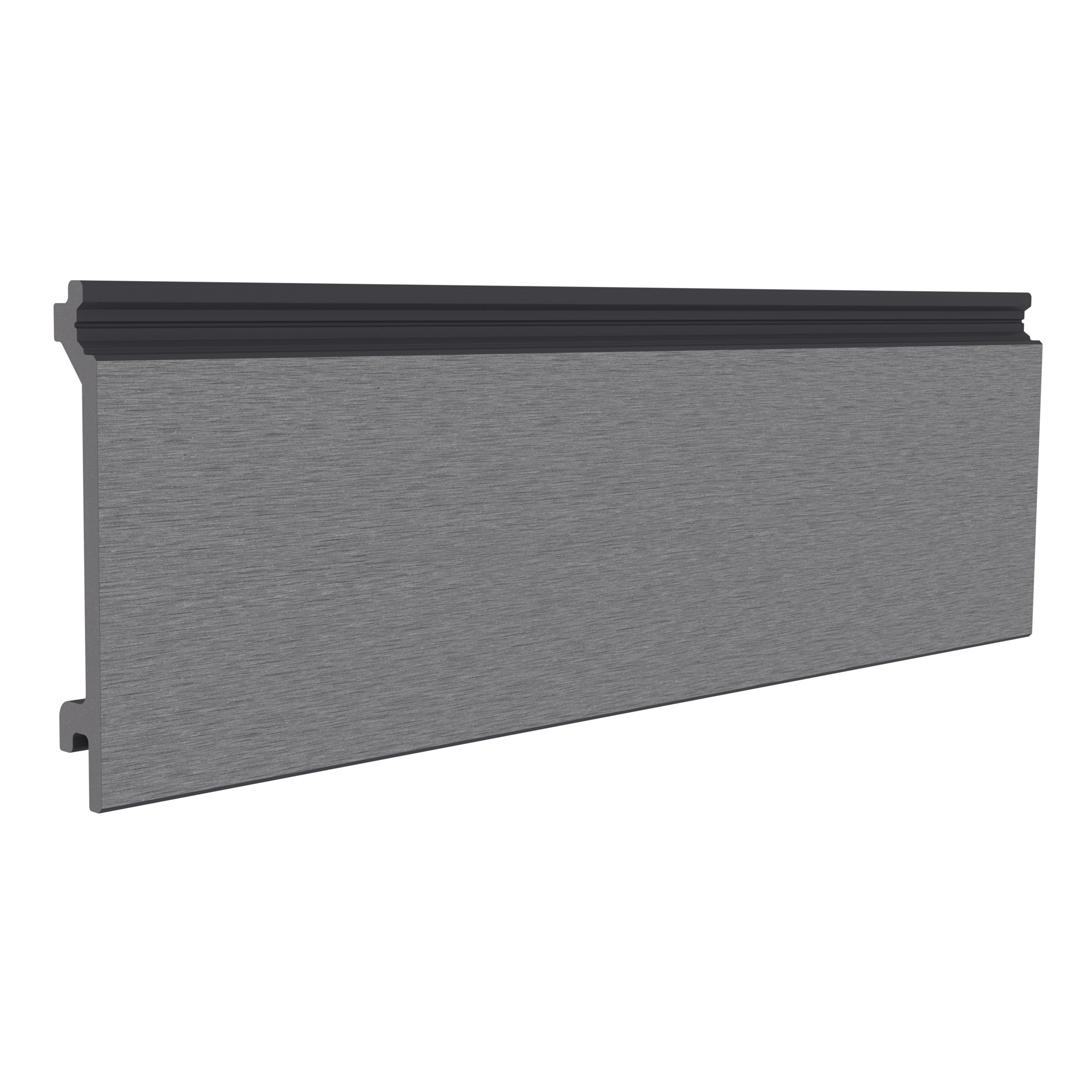
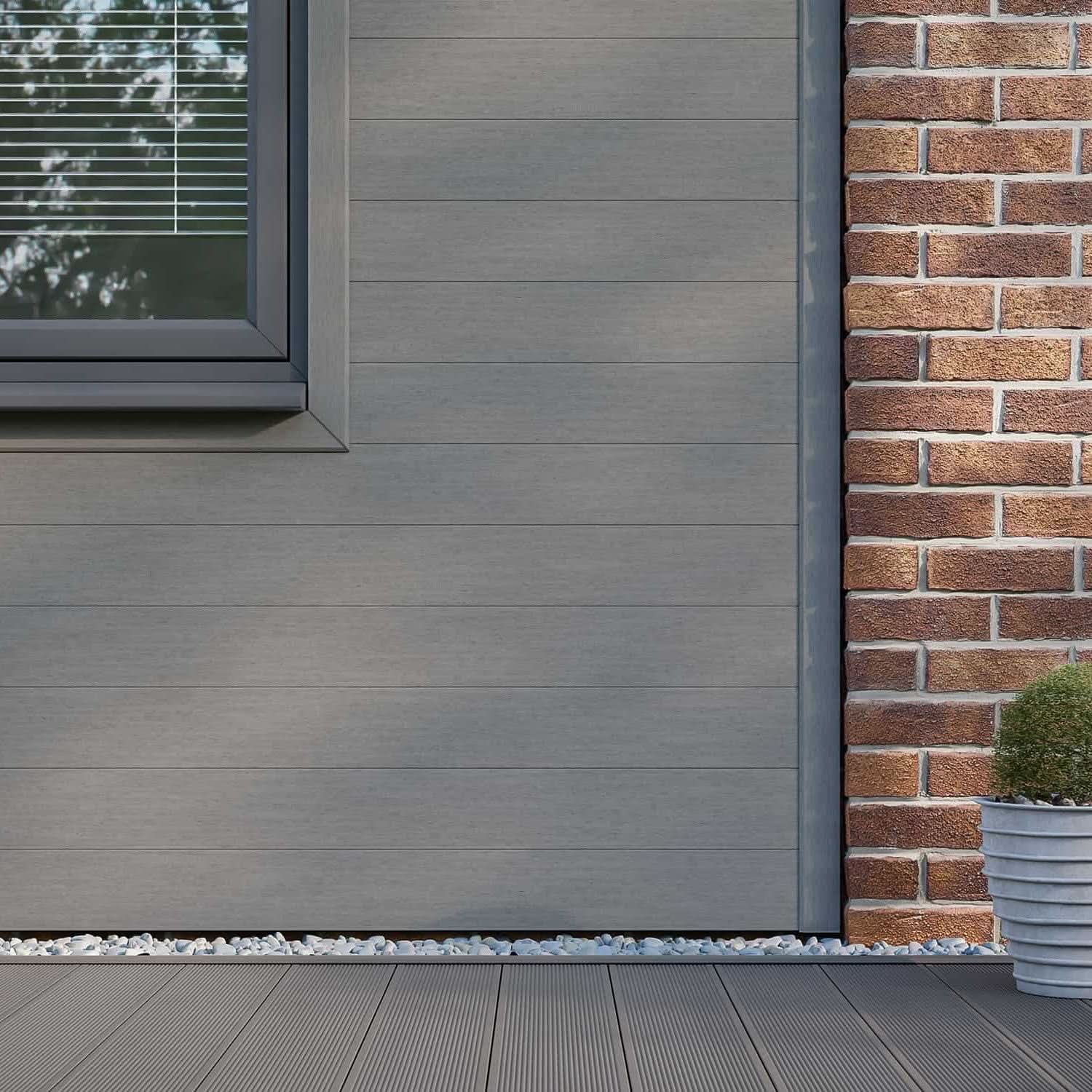
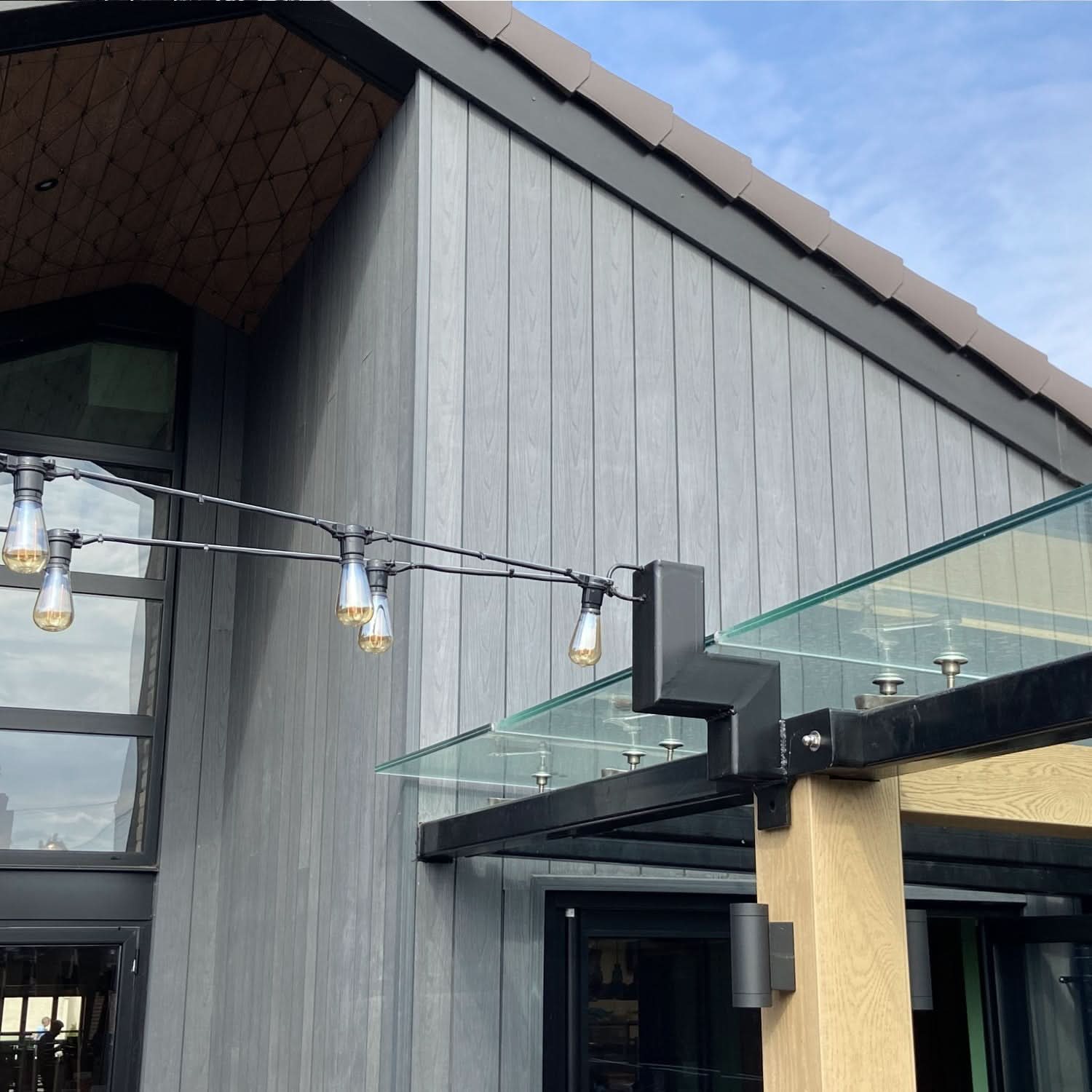
External cladding refers to the outermost layer that wraps around a building. It can be made from a variety of materials, including timber, metal, stone, uPVC and, increasingly, external cladding made from composites. Its primary job is to protect the building from the elements – rain, wind, sun, you name it. But it also gives your home a serious style upgrade.
Is External Cladding An Insulator?
Let’s clear this up straight away, external cladding is not an insulator in the traditional sense. It doesn’t have the same thermal resistance properties as, say, fibre cement or rigid foam boards. So no, cladding won’t single-handedly turn a draughty old home into a passive house. However, it can play a valuable supporting role.
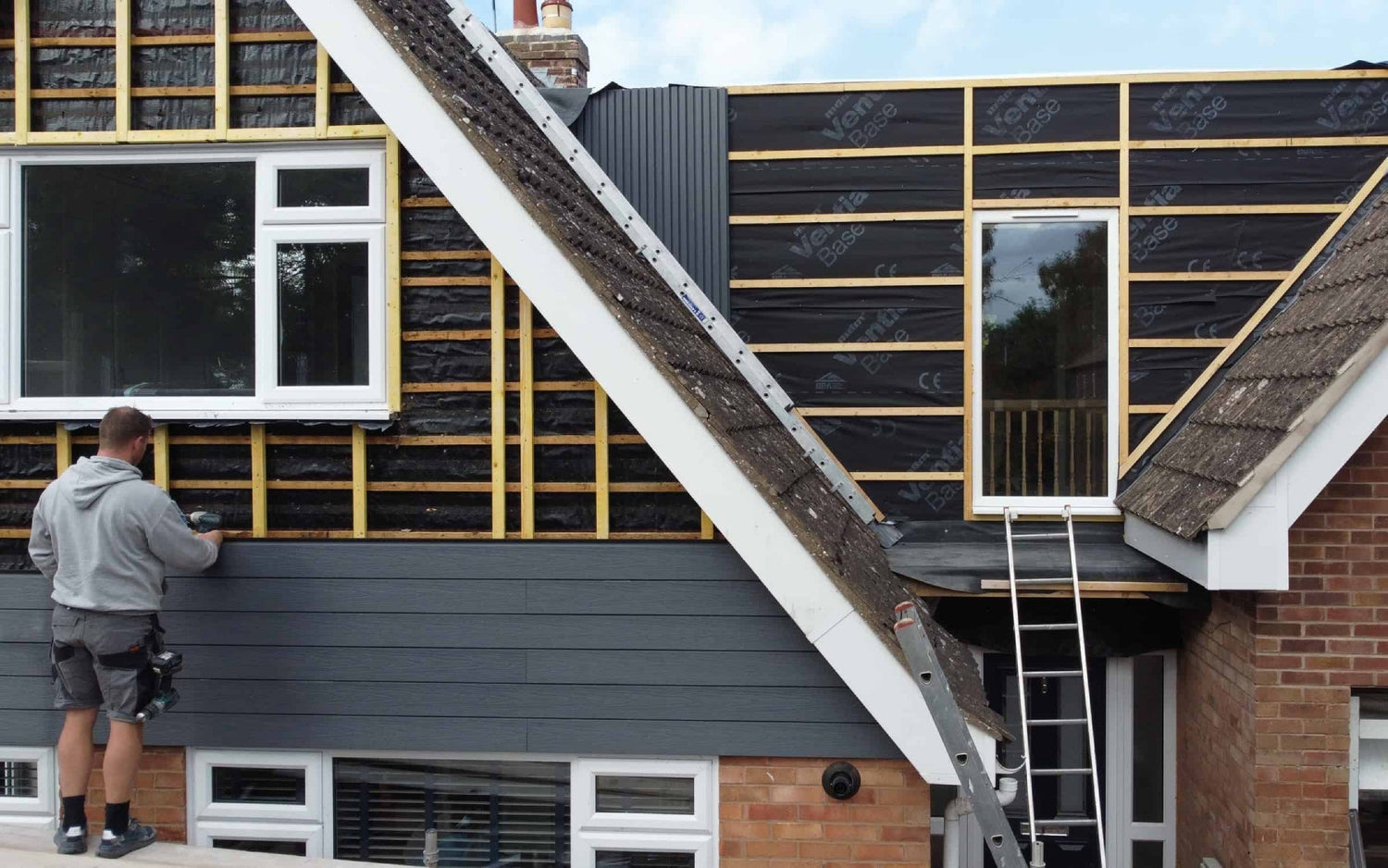
When used as part of a well-thought-out wall system, external cladding can help reduce thermal bridging and create a buffer zone between your home and the harshness of British weather. This additional layer may contribute to heat retention and even help reduce external noise. So while it won’t replace proper insulation, it does enhance the overall envelope of your building.

What Is Composite Cladding?
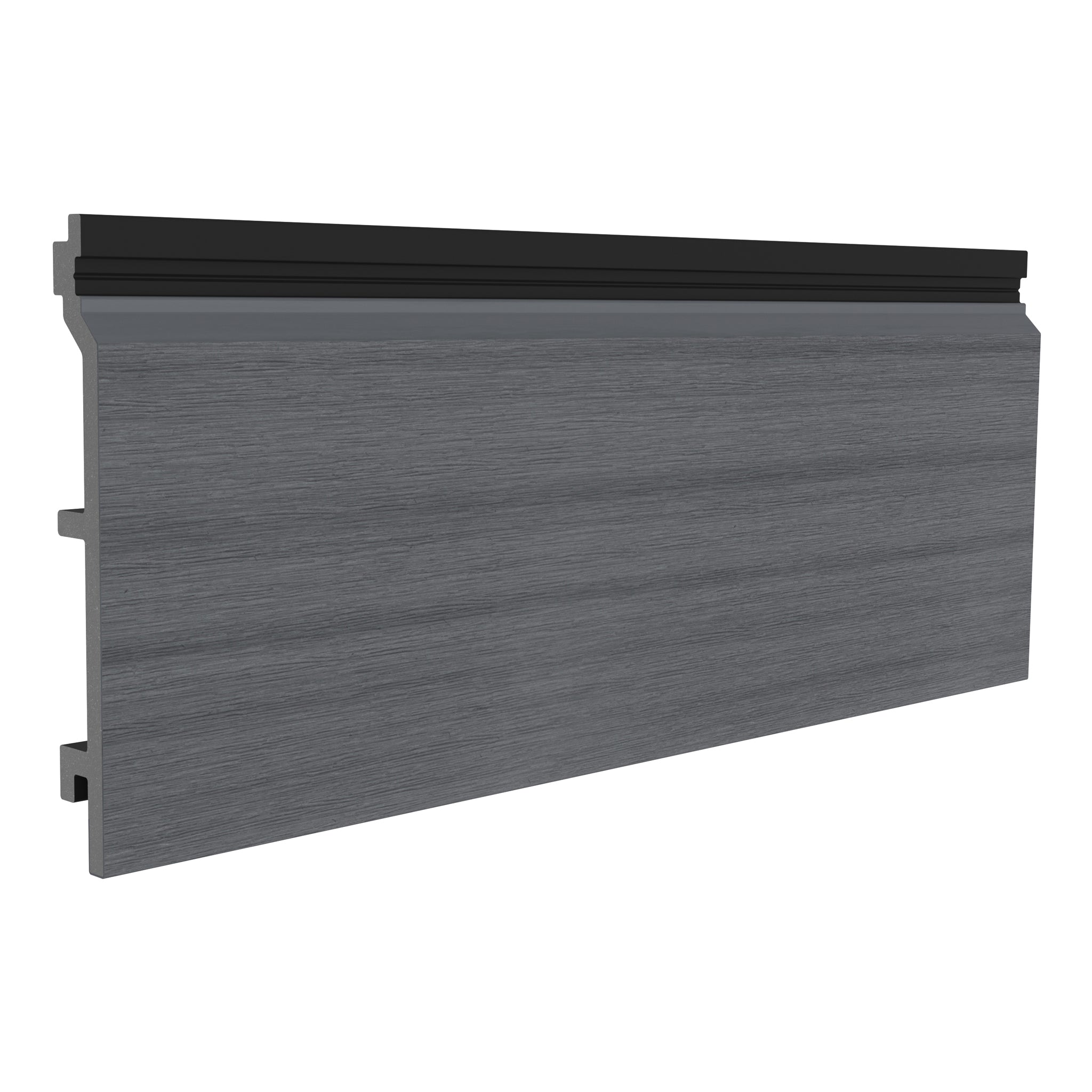
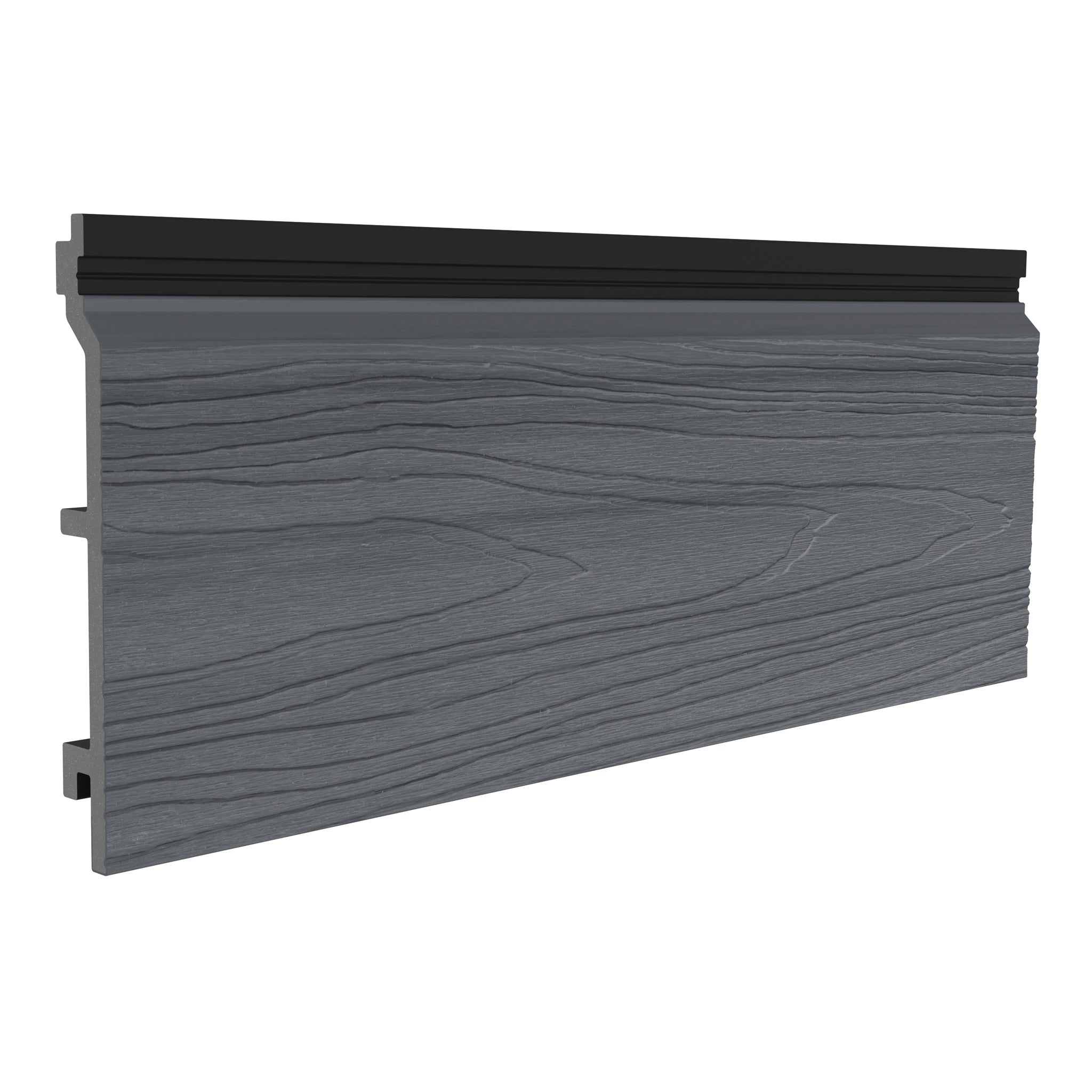
Composite cladding is a durable, man-made material typically made from a blend of recycled wood fibres and plastic. It is designed to mimic the appearance of natural timber while offering superior weather resistance, longevity and minimal maintenance. Composite versions of external cladding are particularly popular because they combine form and function with long-lasting colour and structure.
Is Composite Cladding Good External Cladding?
Composite versions of external cladding are particularly popular because they combine form and function. Not only do they look good, they stand up well against the unpredictable UK climate. Rain, wind, sun – composite cladding takes it all in its stride.
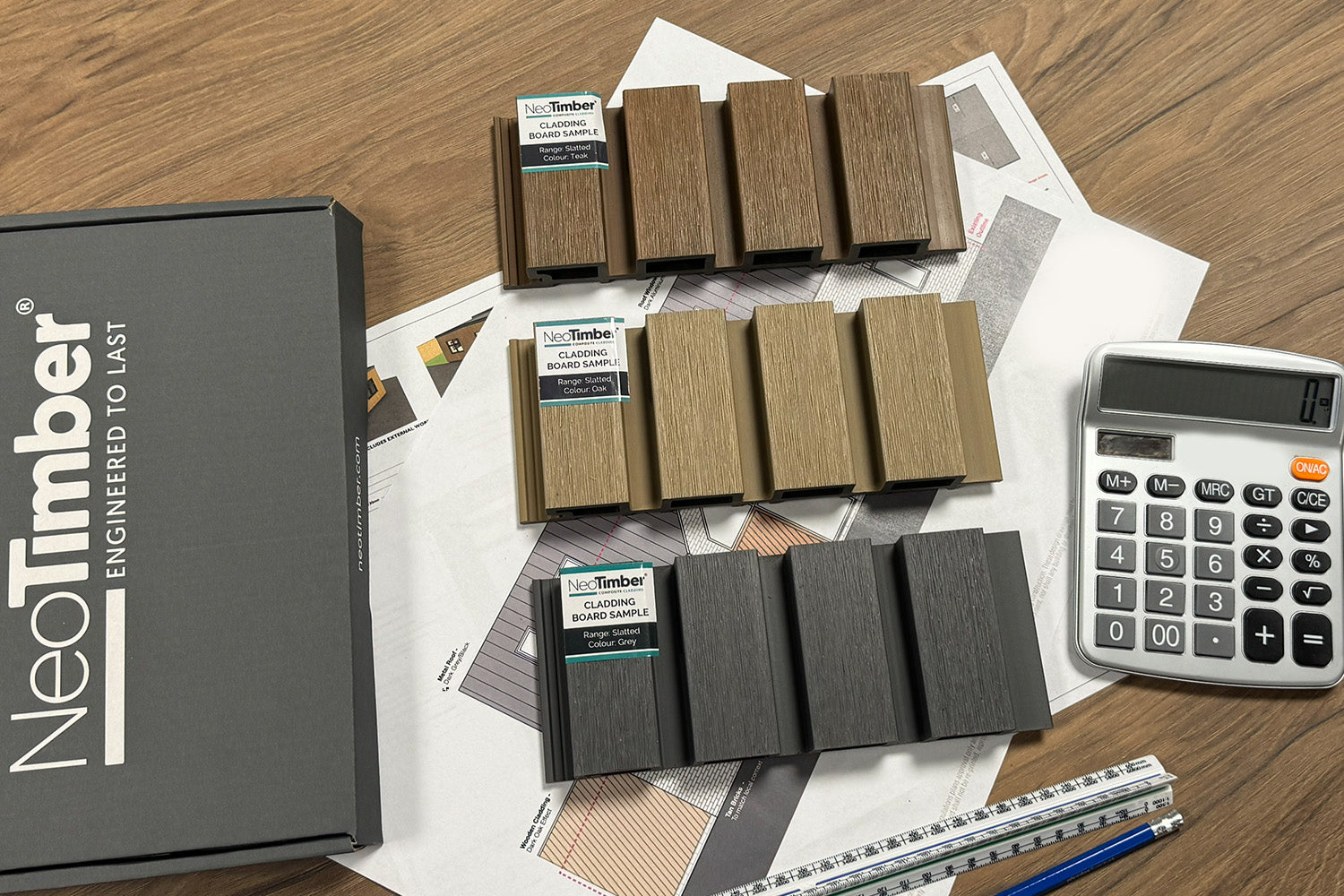
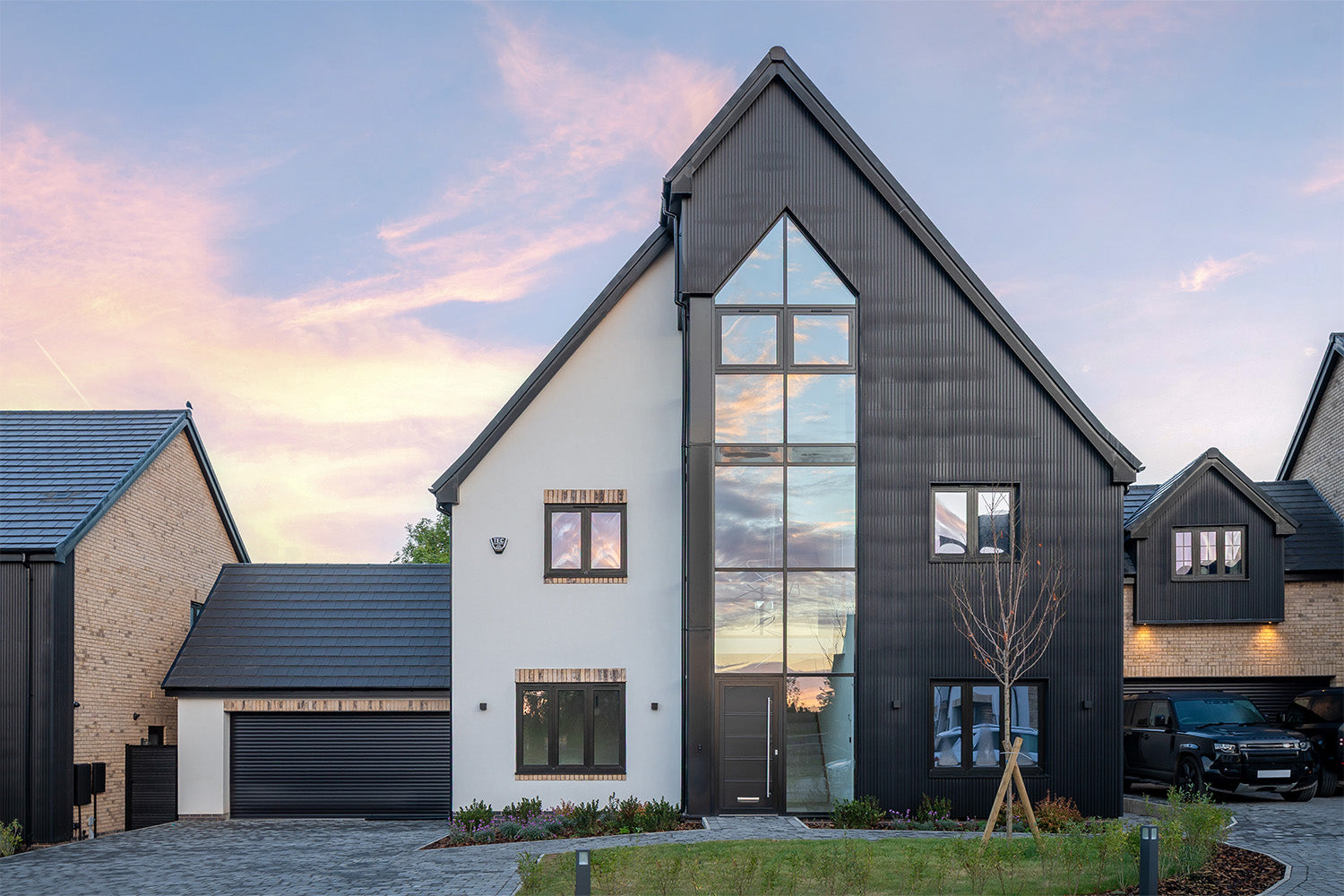
Materials like those in the NeoTimber® range offer additional perks. They're weather-resistant, require minimal upkeep and bring a fresh, modern look to tired or weathered properties. In fact, one of the most underrated benefits of external cladding is its ability to conceal aged or worn facades, giving homes a much-needed facelift without the cost or chaos of a full renovation.
Style With Substance
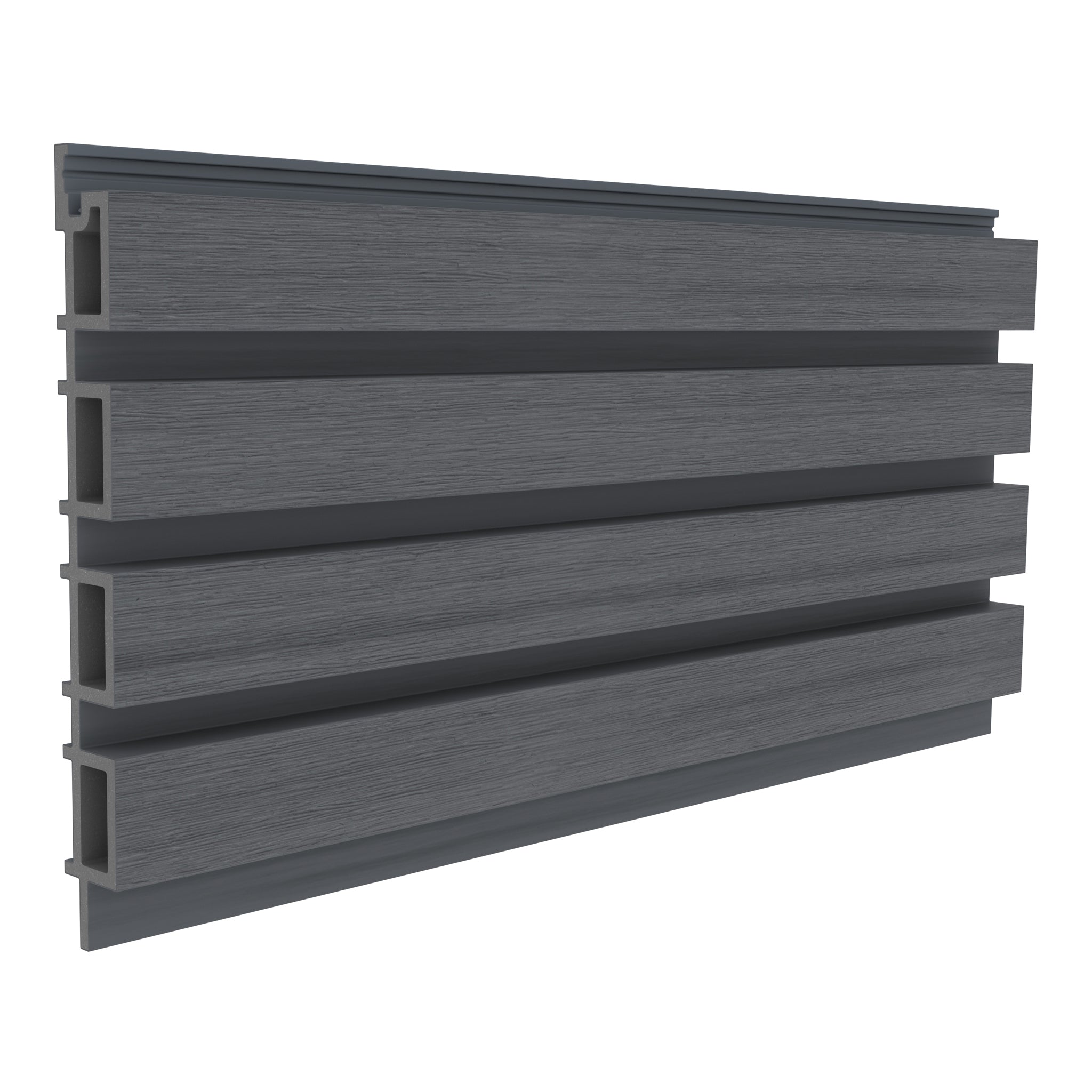
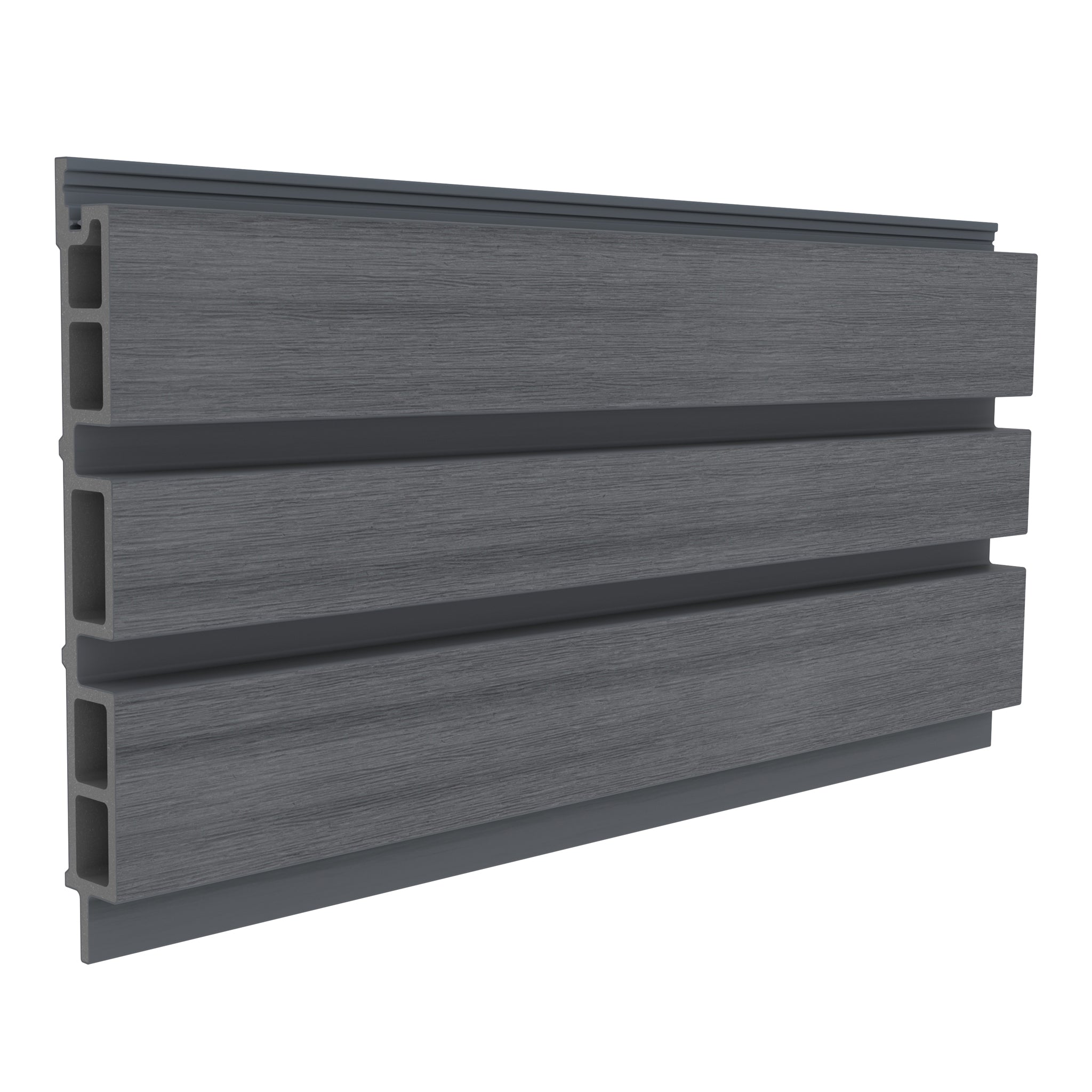
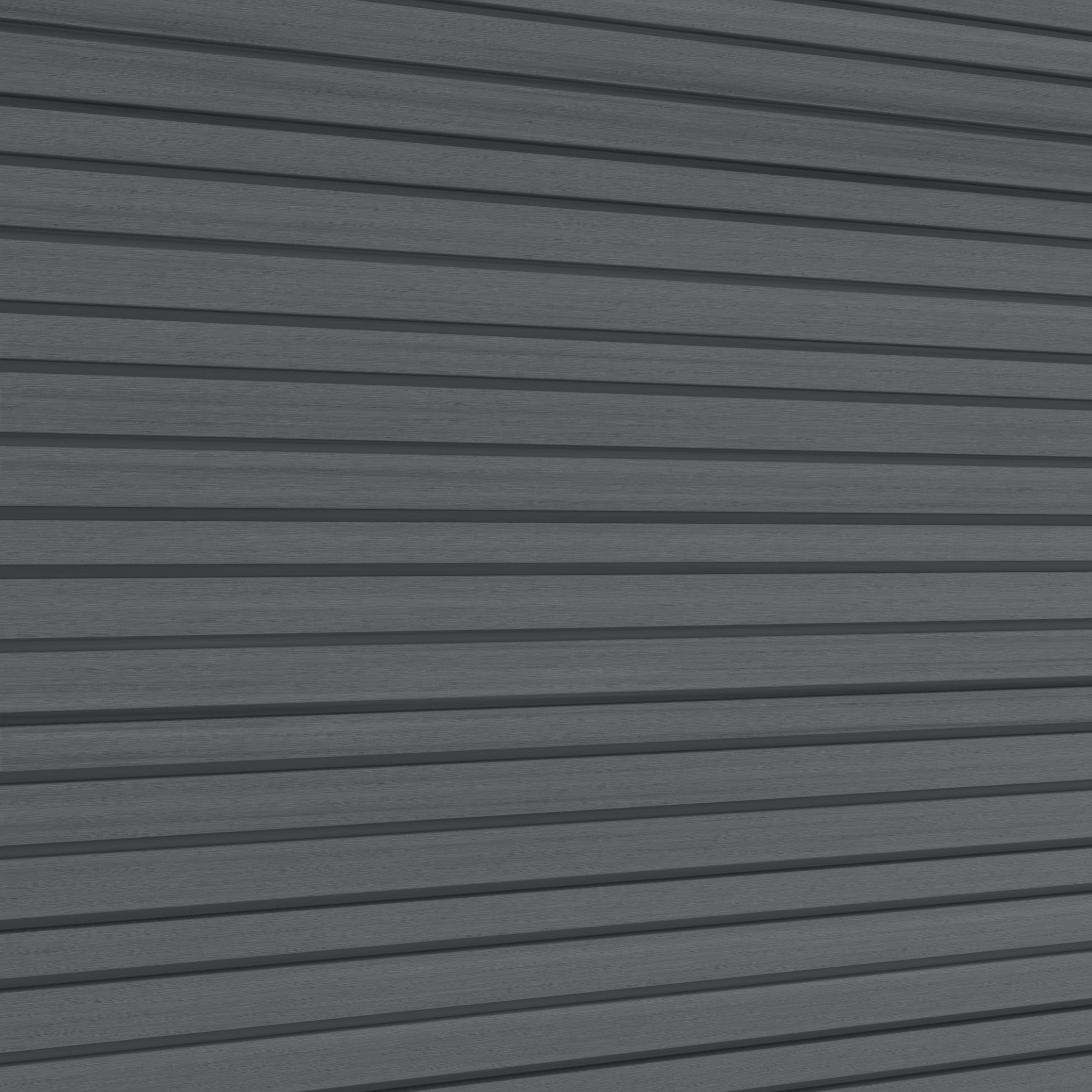
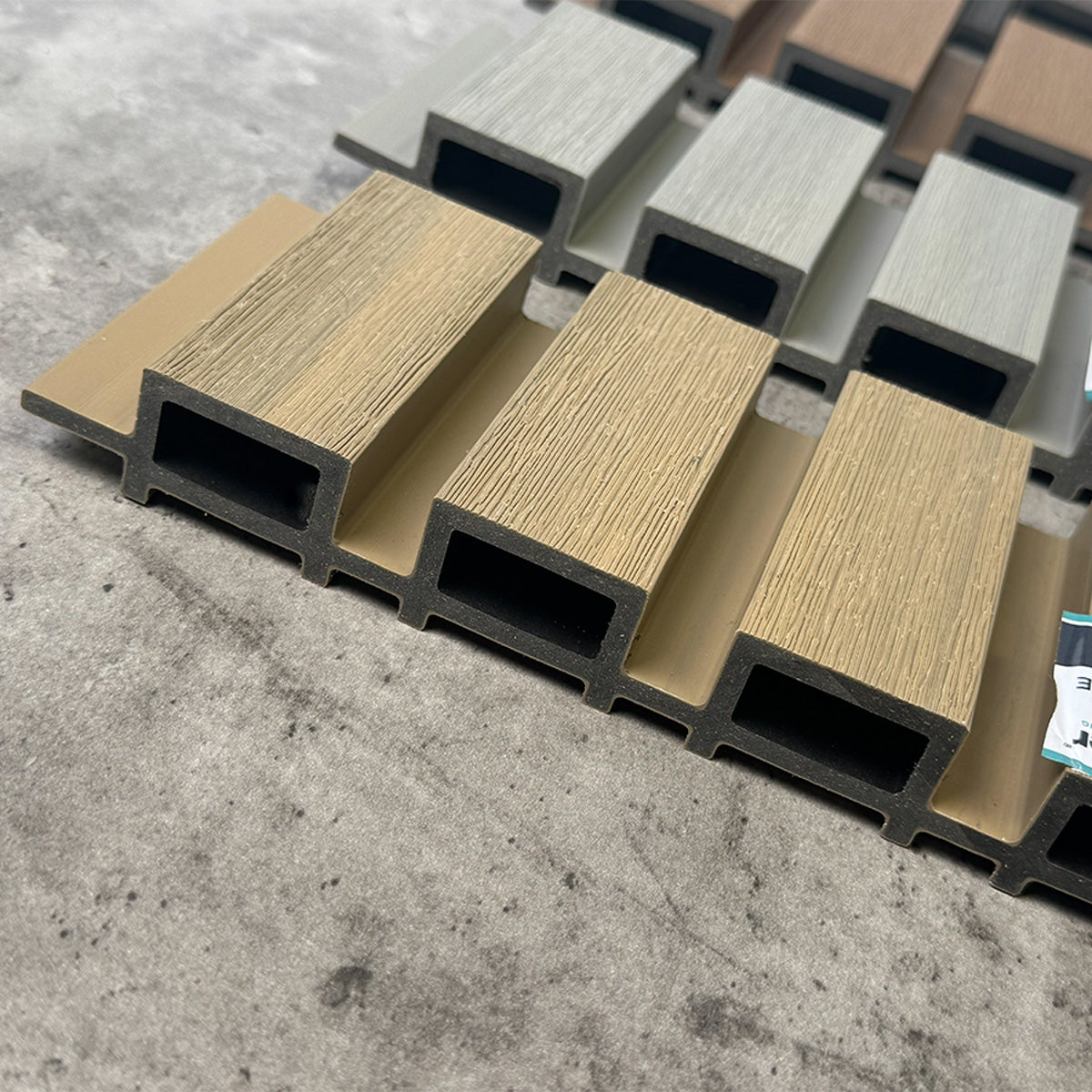
Let’s not forget aesthetics. External cladding is one of the most effective ways to boost kerb appeal. From slatted cladding to vertical cladding, there are plenty of design choices to match any architectural style. The timber-look cladding options offer the charm of real wood without the maintenance nightmare.
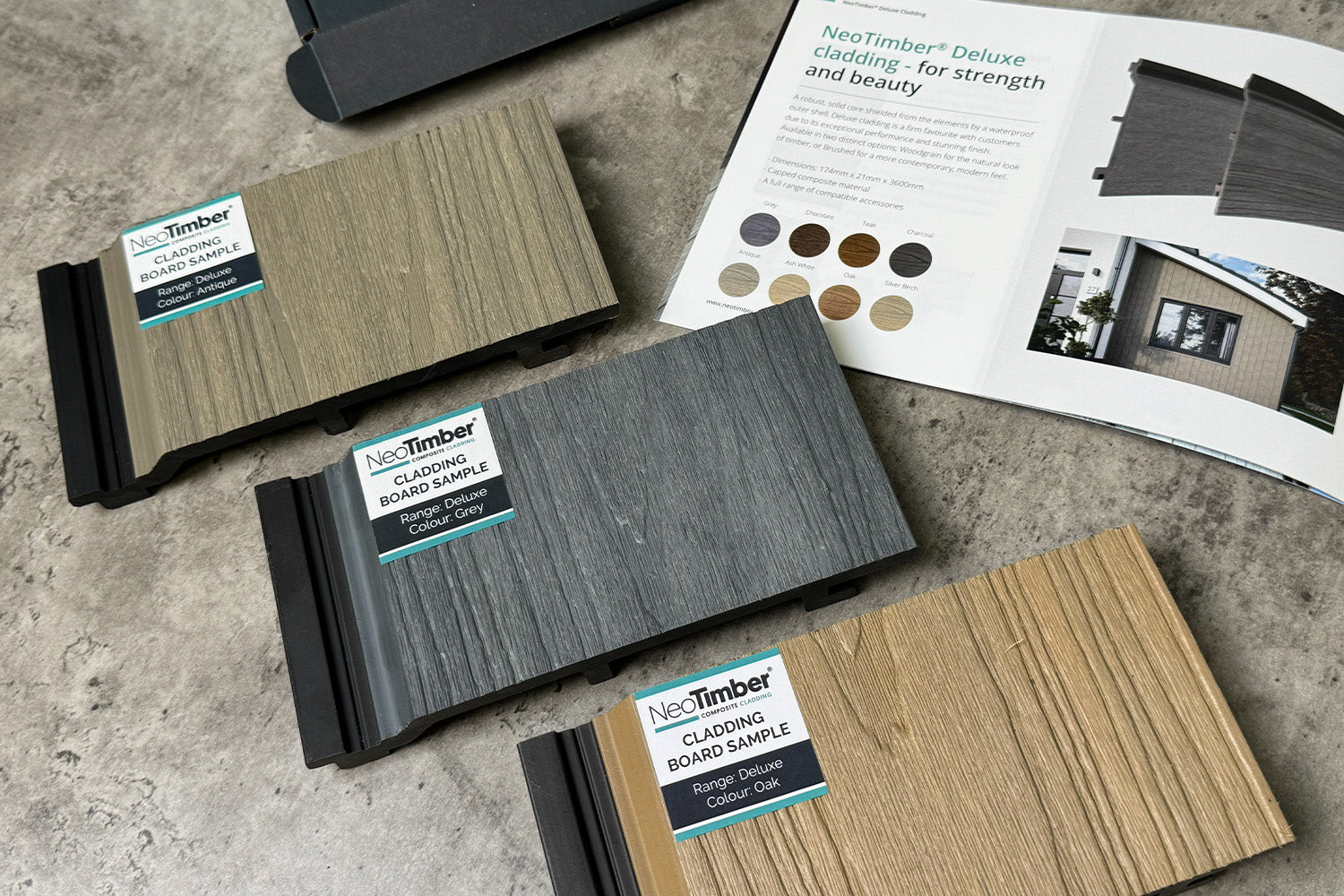
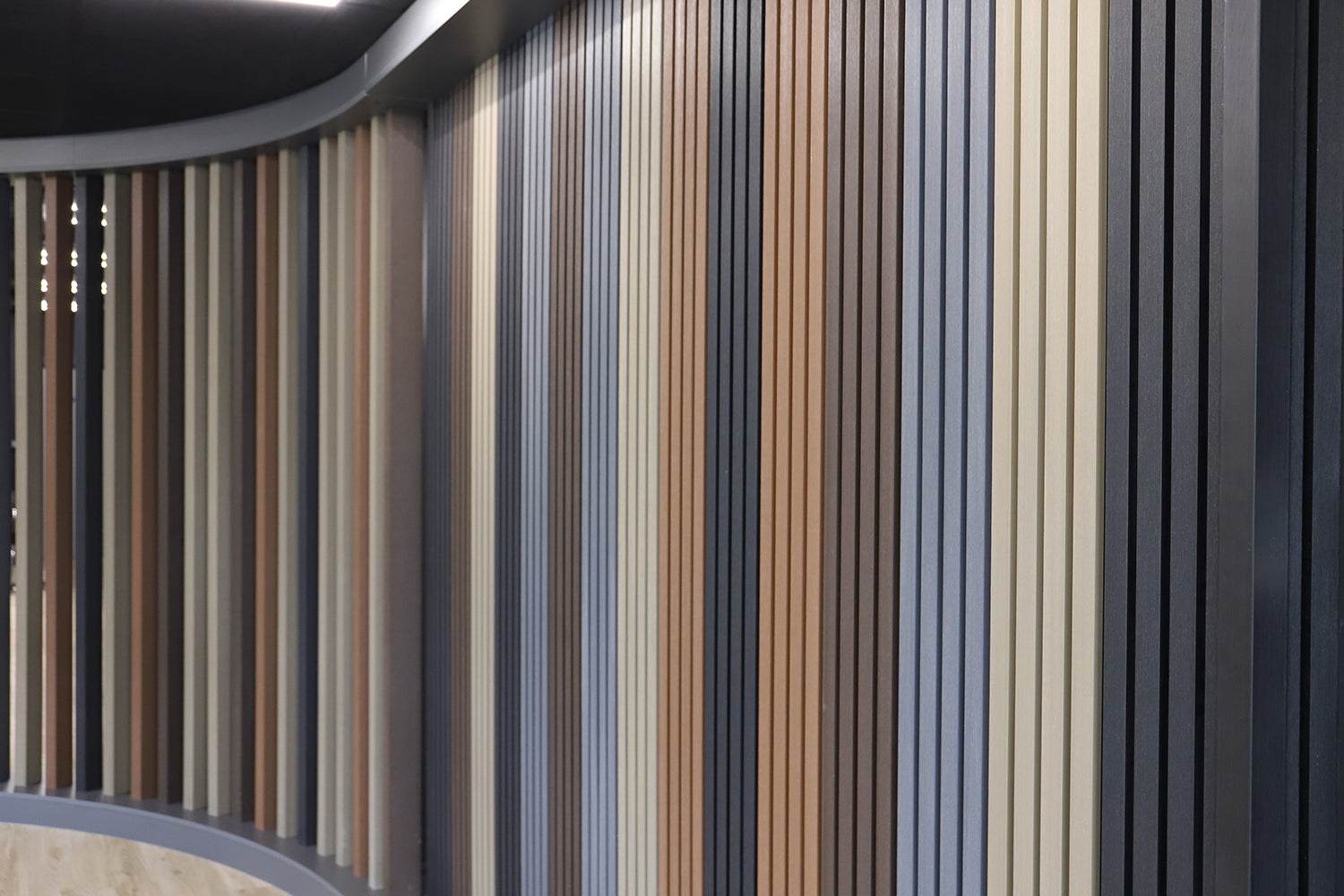
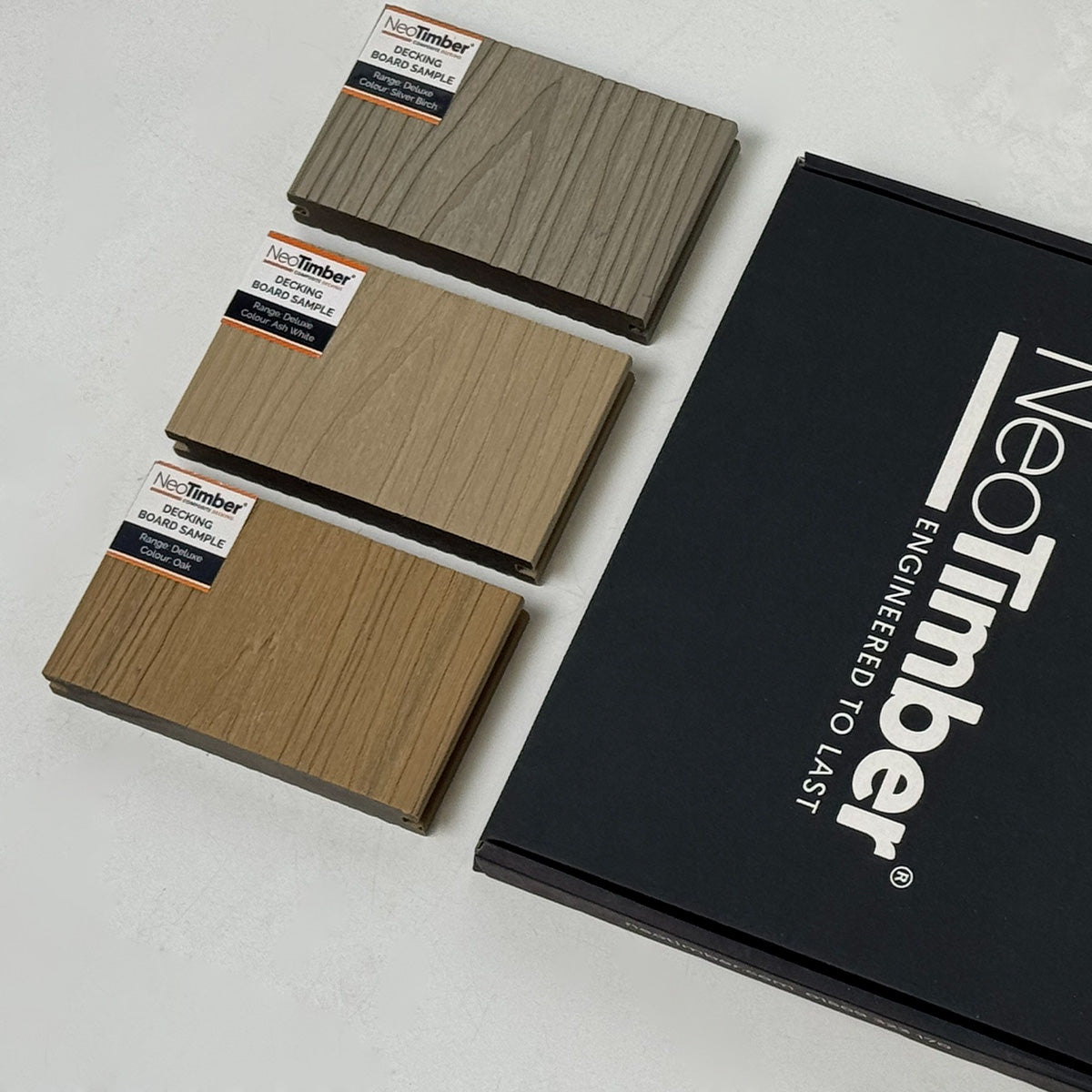
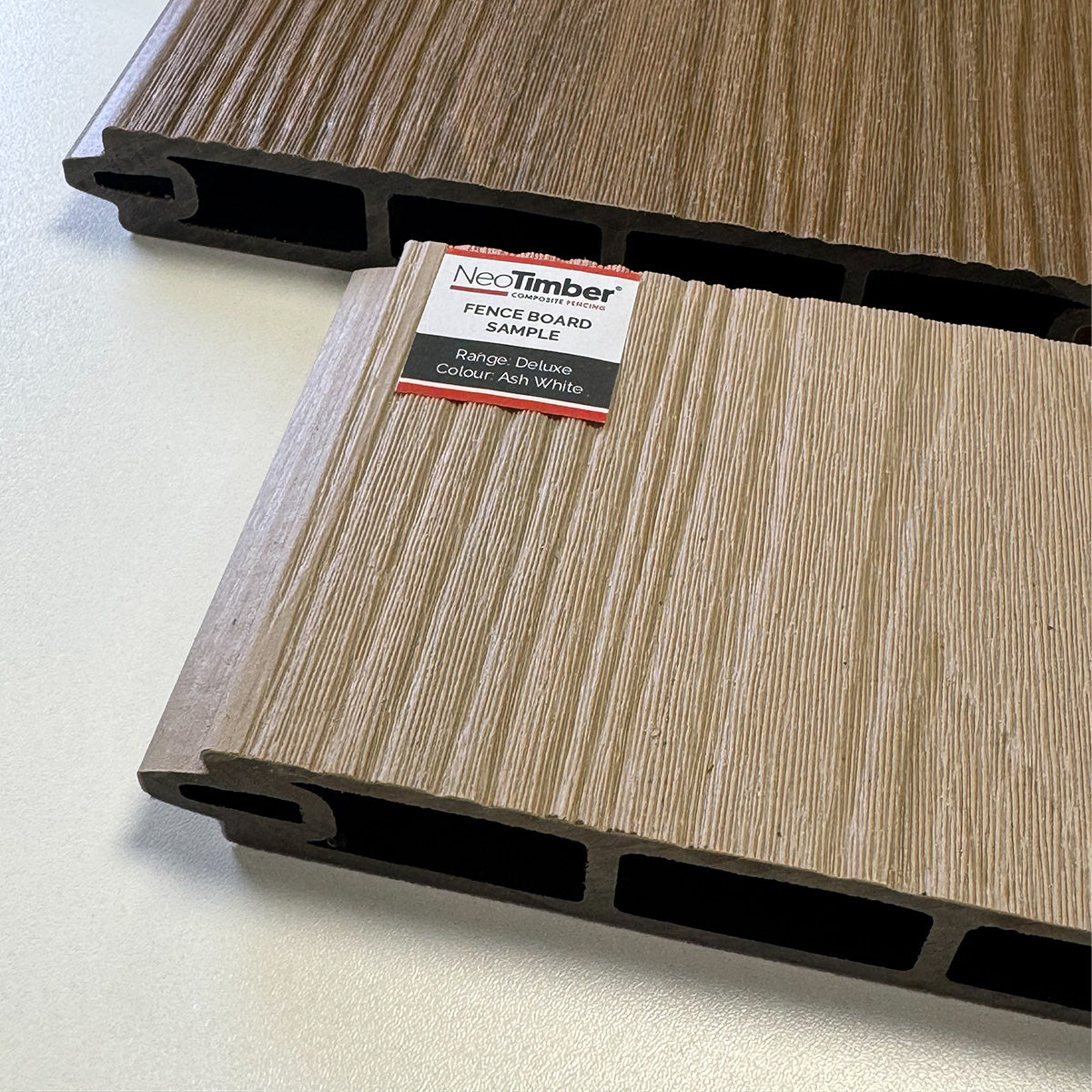
You can choose from a variety of wood colour options, including oak effect, ash white cladding, and even bold choices like charcoal and grey cladding. It’s the kind of customisation that allows homeowners to express personality while protecting their home.

Endless Application Ideas
One of the most exciting aspects of external cladding is its versatility. Whether you're refreshing a modern townhouse, updating a rural cottage or adding definition to garden walls or shed cladding, the design possibilities are extensive. It works equally well for commercial cladding as it does for residential use, allowing for practical enhancements and stylish transformations across a wide range of buildings.
The Weather Barrier
Besides style, the protective role of external cladding is where it really shines. Acting as a shield against rain, wind, and UV exposure, cladding helps reduce moisture infiltration and structural wear. Composite types, in particular, offer excellent fade resistance and colour stability, so your home keeps looking good for longer.
If you're dealing with cracked render or bricks that have seen better days, exterior cladding provides a neat, uniform cover. It can also contribute to improved acoustics by softening the intrusion of outdoor noise – something urban dwellers might especially appreciate.
Not A Magic Bullet, But A Smart Move
No, external cladding isn’t going to magically slash your heating bills. But when combined with good insulation and a smart building envelope strategy, it can help enhance thermal efficiency.
It also gives older buildings a new lease of life. Whether you're renovating or building new, adding cladding can bring together functionality, style, and practical protection. It's a low-maintenance option that’s ideal for both residential use and commercial cladding applications.
What To Look For
When choosing external cladding, think beyond the colour swatches. Consider the fire rating, durability, weather resistance, and overall design fit. Composite options, such as those from the NeoTimber® range, offer a great balance of performance and aesthetics.
Whether you're going for traditional cladding or a modern finish with slatted panels, it pays to understand the full system – including airflow, battens, and underlying insulation. Also look out for options with a 25-year warranty, which adds peace of mind to the long-term investment.
Final Thoughts
External cladding might not be insulation, but it definitely plays a part in a more comfortable and resilient home. It could help with weather protection, acoustic buffering, and even slight thermal gains when used correctly. Most importantly, it adds undeniable style to your property.
NeoTimber® also offers helpful guidance, product support and a well-curated range to make choosing the right external cladding solution feel less like guesswork and more like a well-informed decision.