
Two Materials, Two Outcomes, One House Cladding Decision
When it comes to choosing the right material for your house cladding, one question often pops up; Is composite cladding more durable than wood? It’s a fair question given how important your house cladding is in protecting your home from the elements. After all, a durable house cladding not only adds to the aesthetic appeal but could also help safeguard your investment. In this blog, we'll dive into the pros and cons of composite versus traditional wood cladding, comparing their longevity, weather resistance, and maintenance requirements.

What’s The Deal With House Cladding?
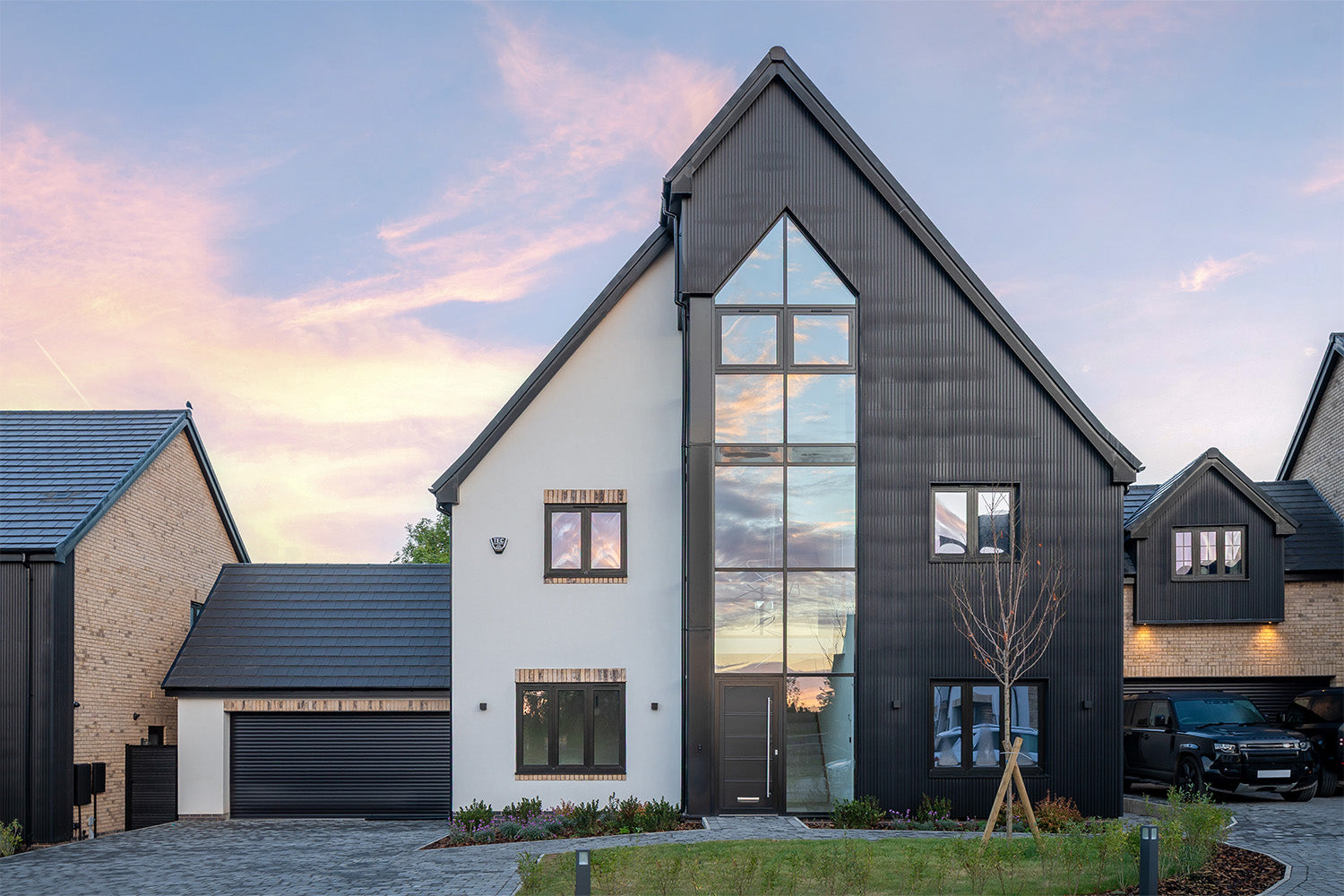
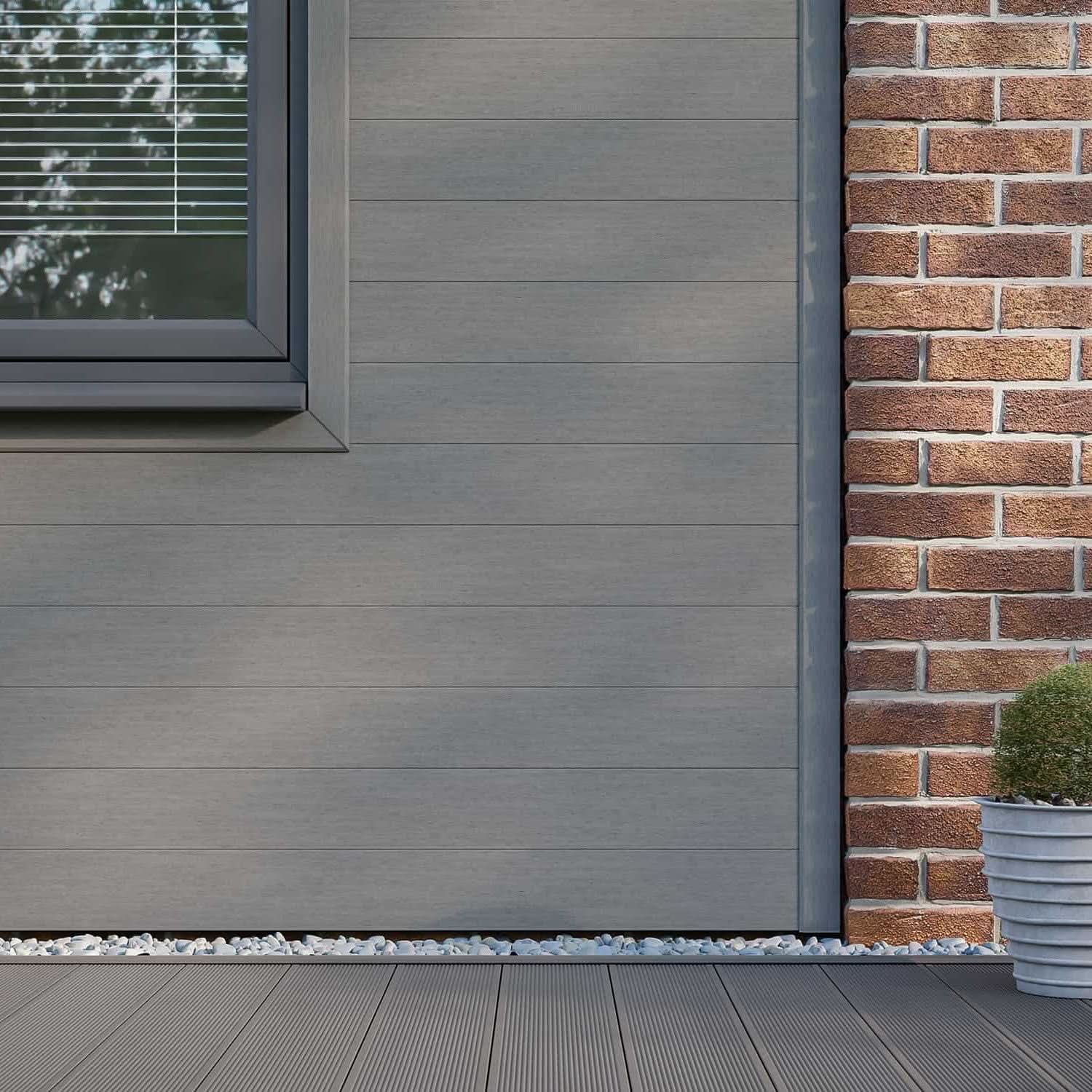
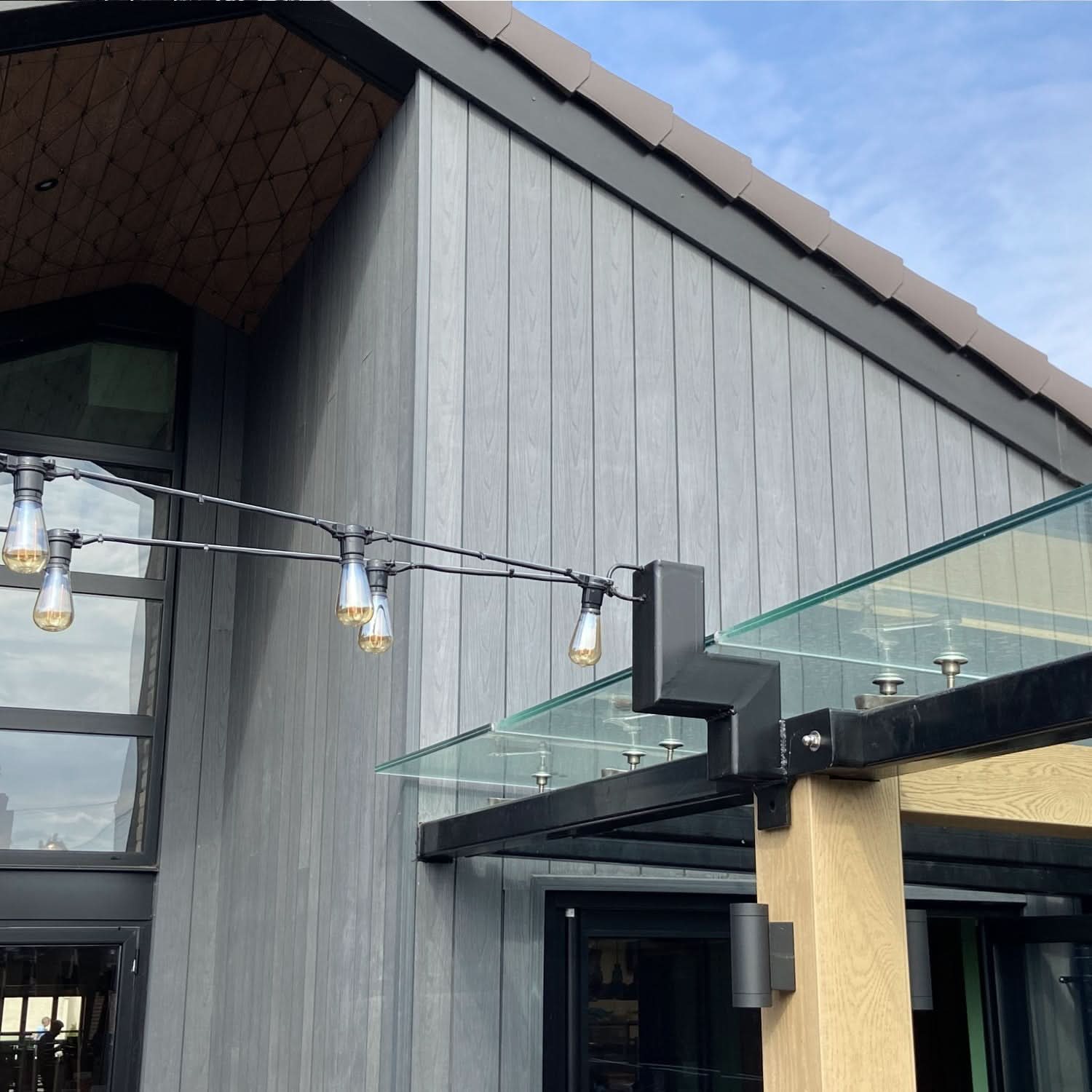
House cladding, whether it’s composite or wood, acts as the outermost layer of your home’s exterior. This protective barrier shields your home from wind, rain, UV rays, and even the occasional wayward soccer ball. More than just protection, house cladding is a major contributor to the overall aesthetic of your home. It's what gives your home that first impression, so choosing the right material is crucial.
But with so many options available, how do you choose? Let’s break down the key differences between composite cladding and wood cladding to help you make an informed decision.
Durability: Composite Vs. Wood
Composite Cladding: The Long-Lasting Hero
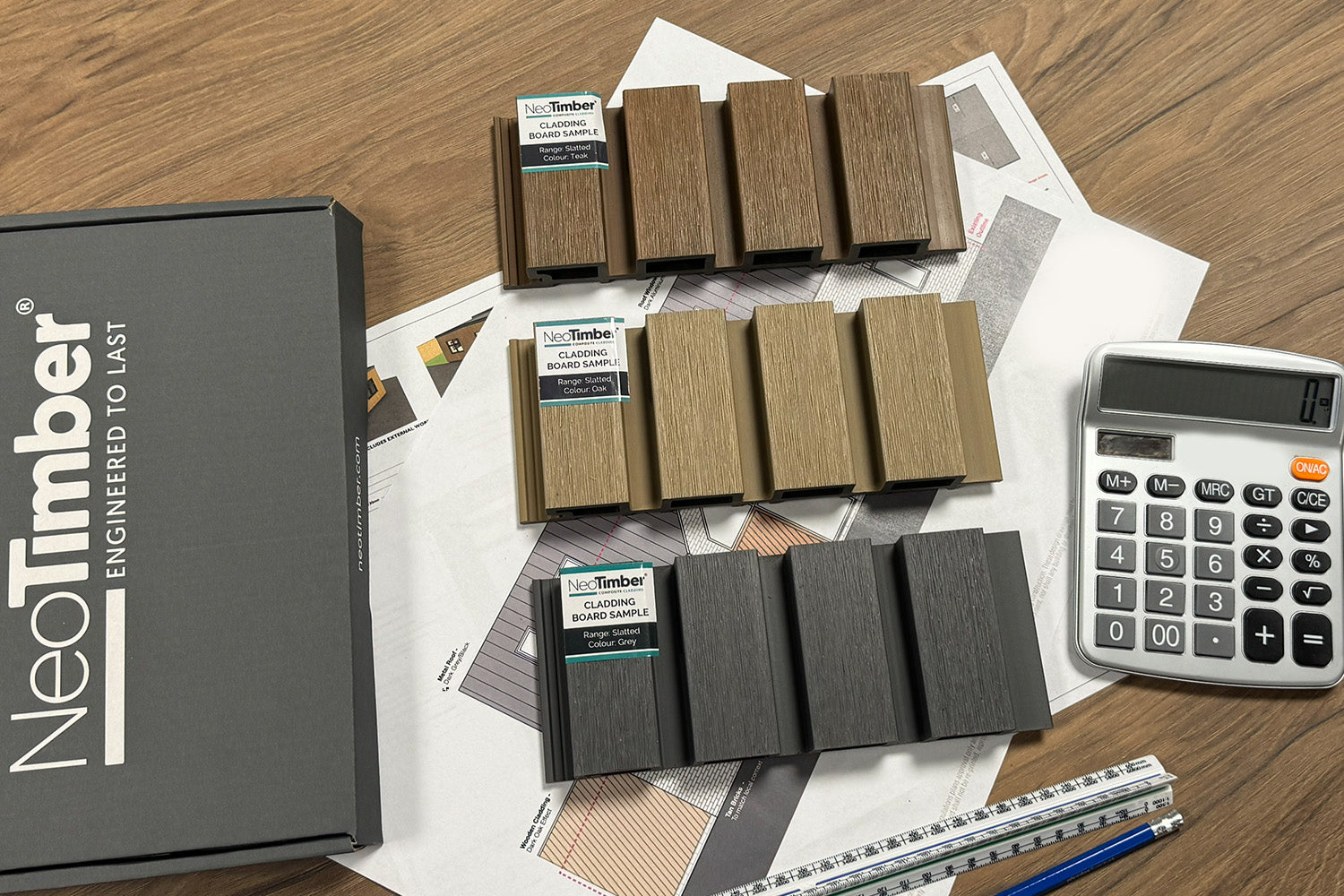
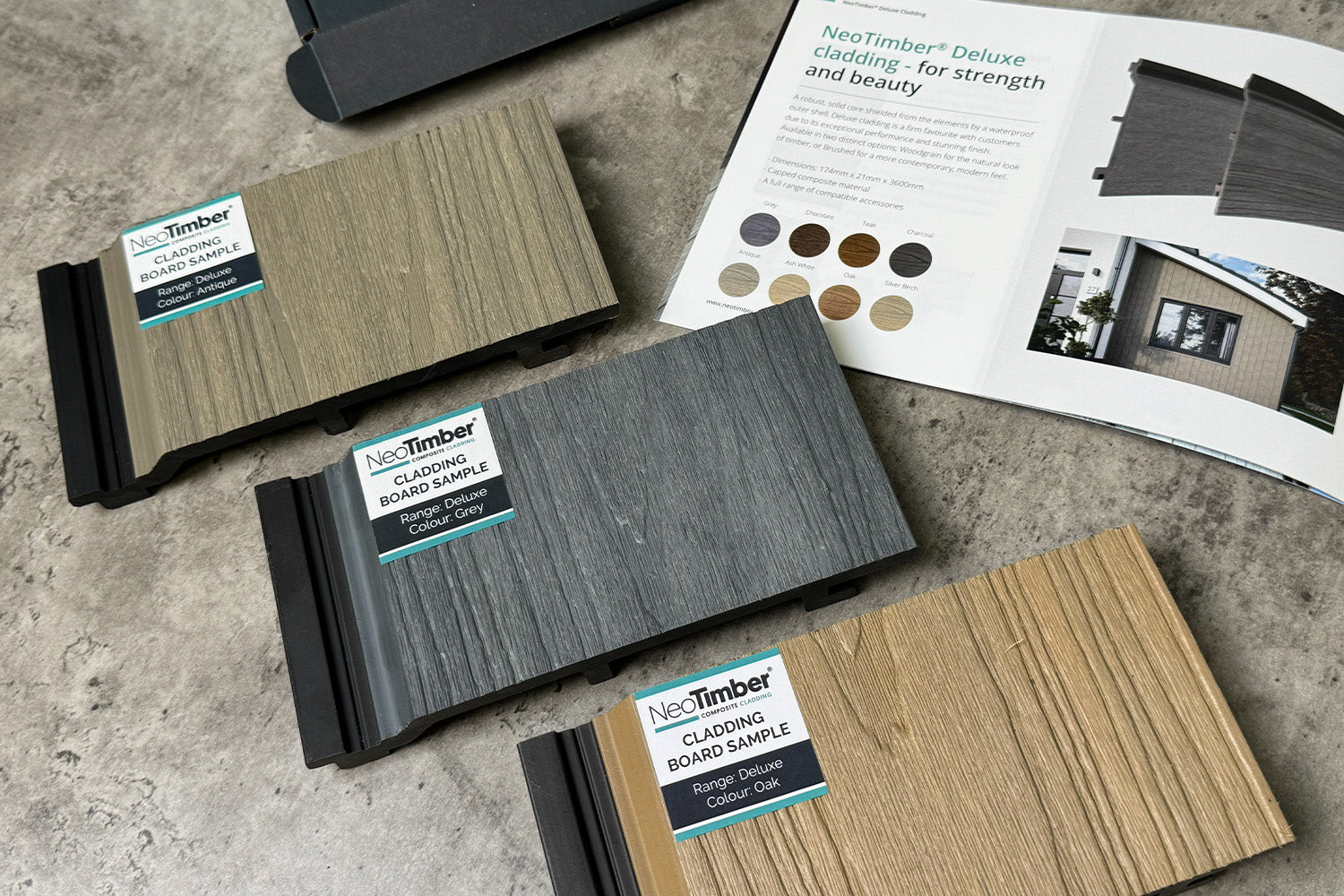
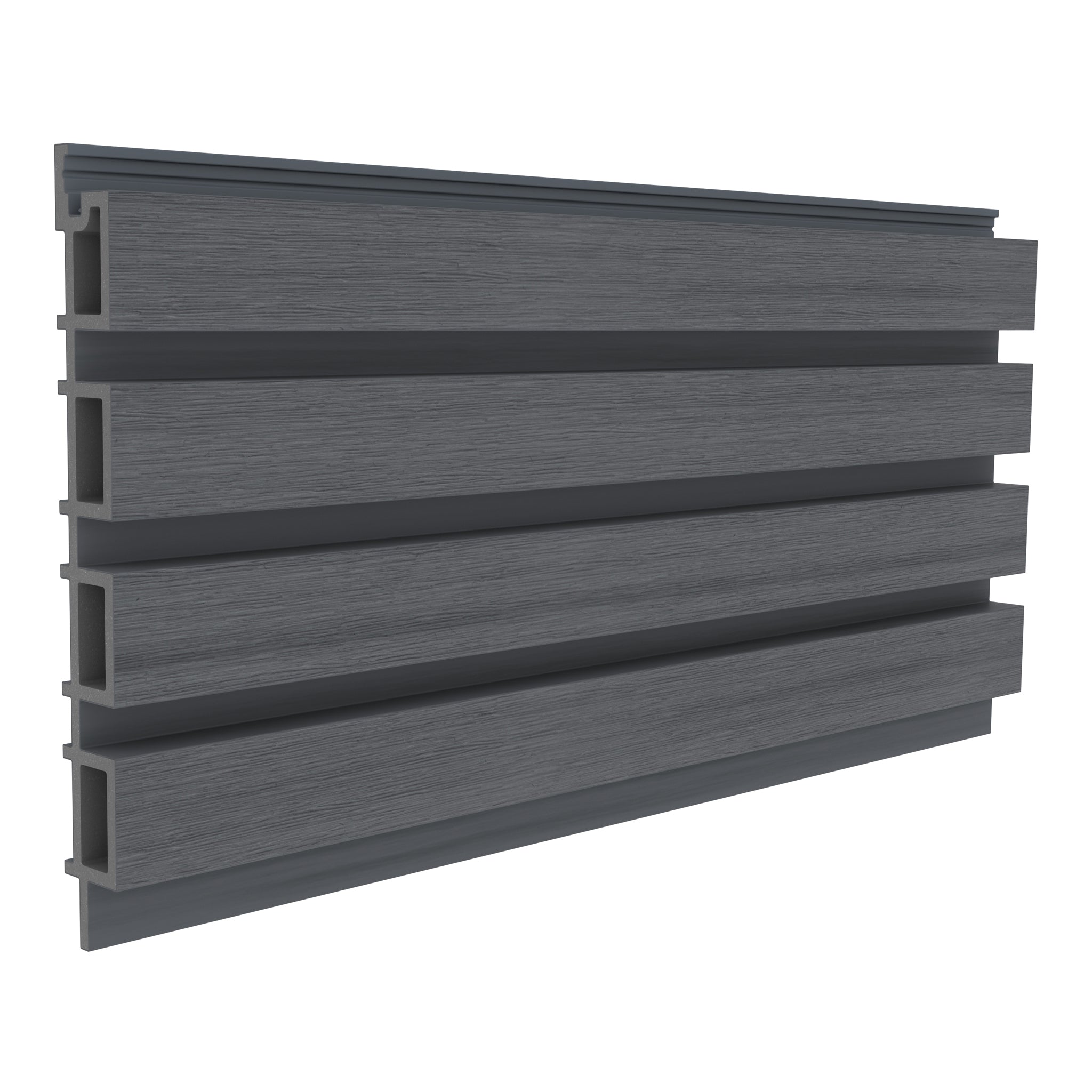
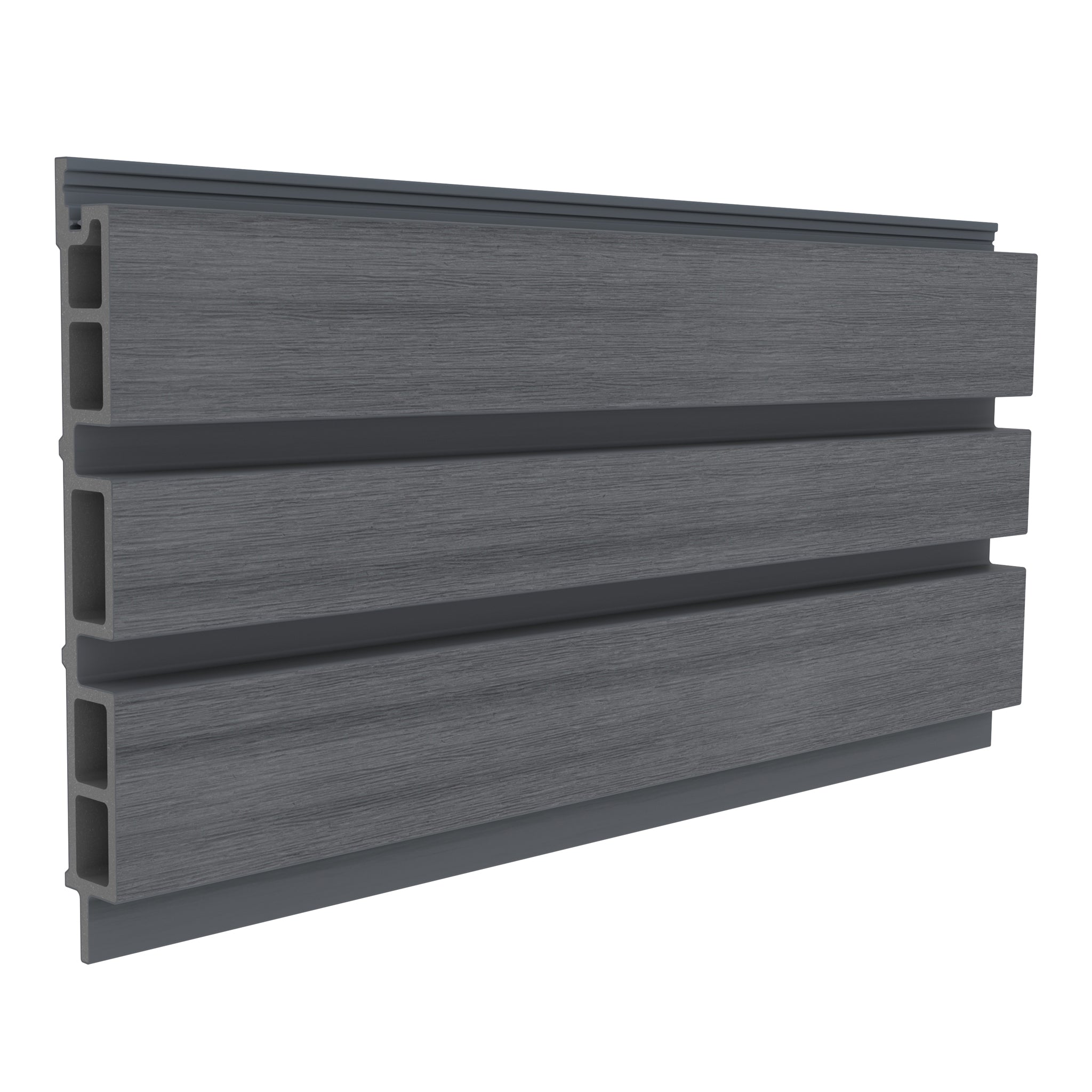
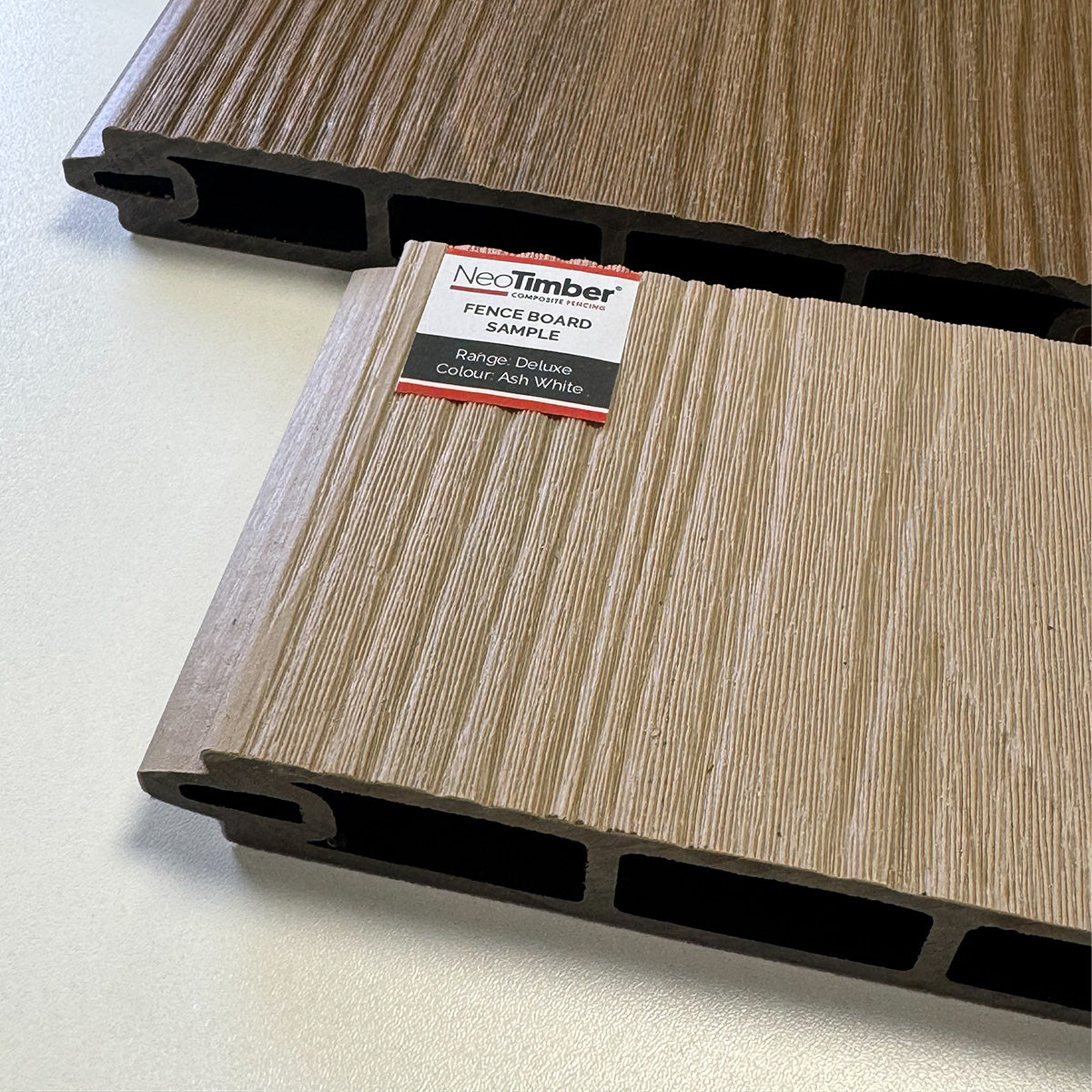
One of the standout features of composite cladding is its durability. Unlike wood, which can warp, rot, or get eaten by pests (talk about high-maintenance), composite house cladding is made from a mix of materials, often including wood fibres and polymers. This combination creates a product that’s tough and built to last. Whether it's enduring harsh winds or intense sun exposure, composite cladding stands up to the elements like a champ. Even better, many composite options come with a 25-year warranty, so you’re not just investing in your house cladding but also peace of mind.
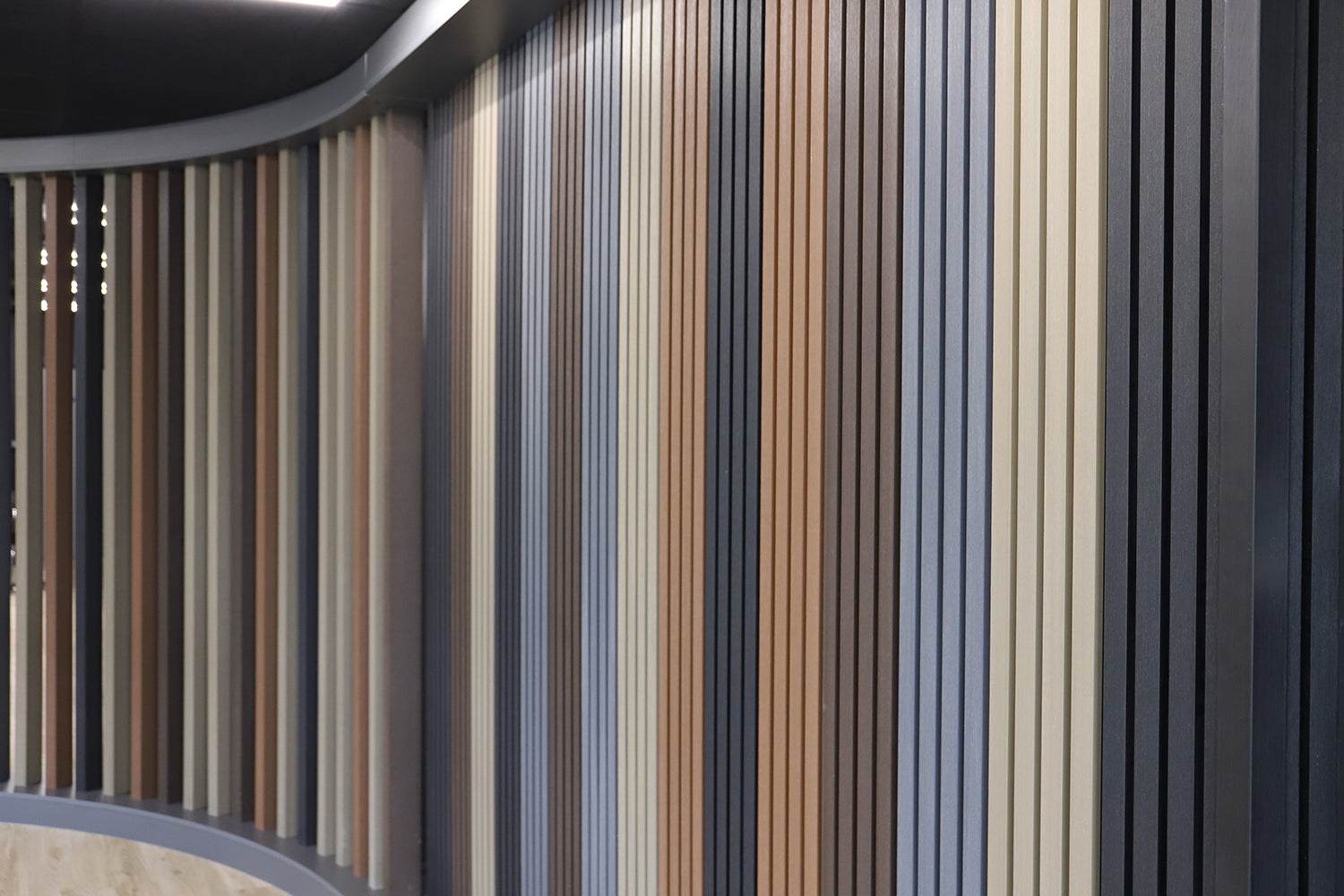
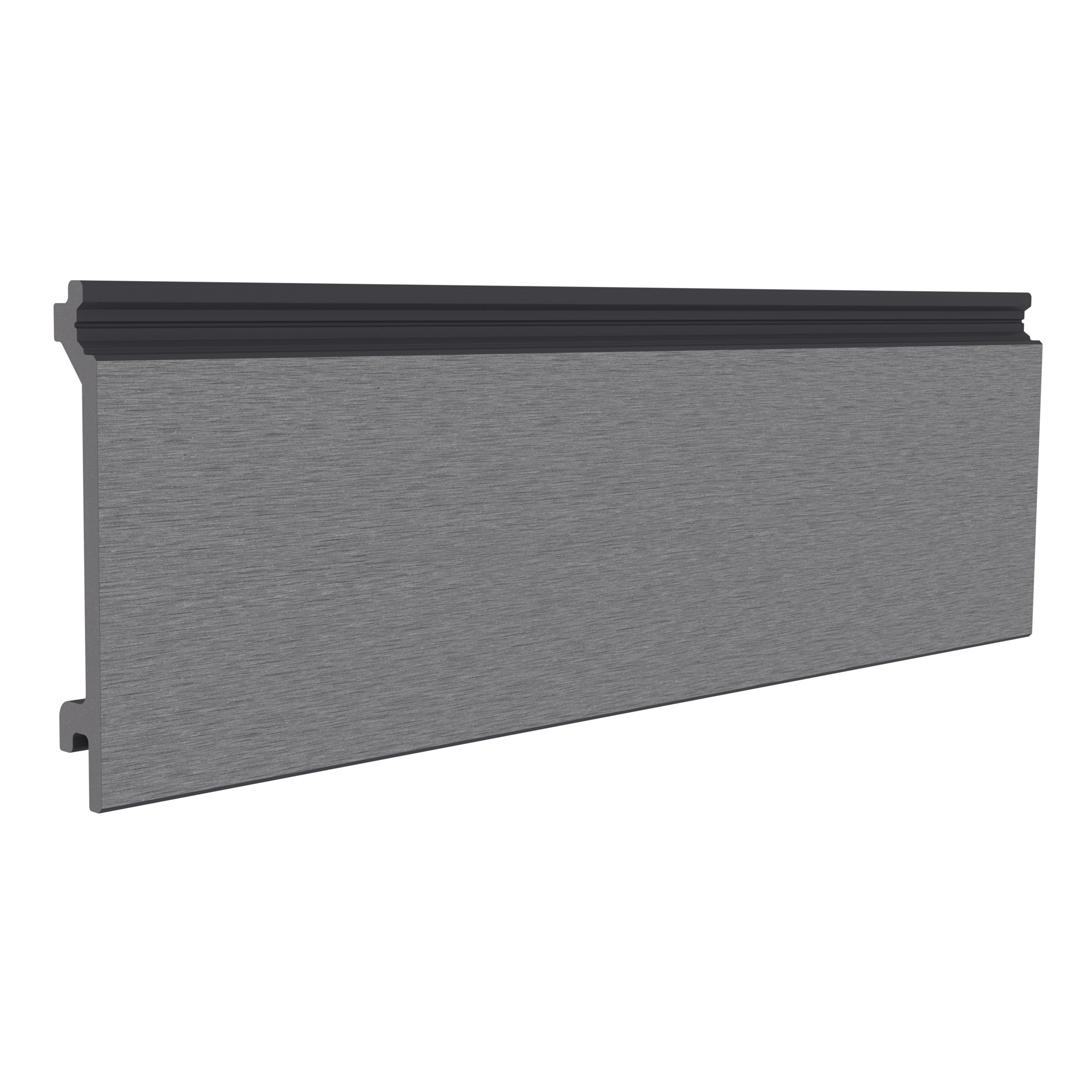
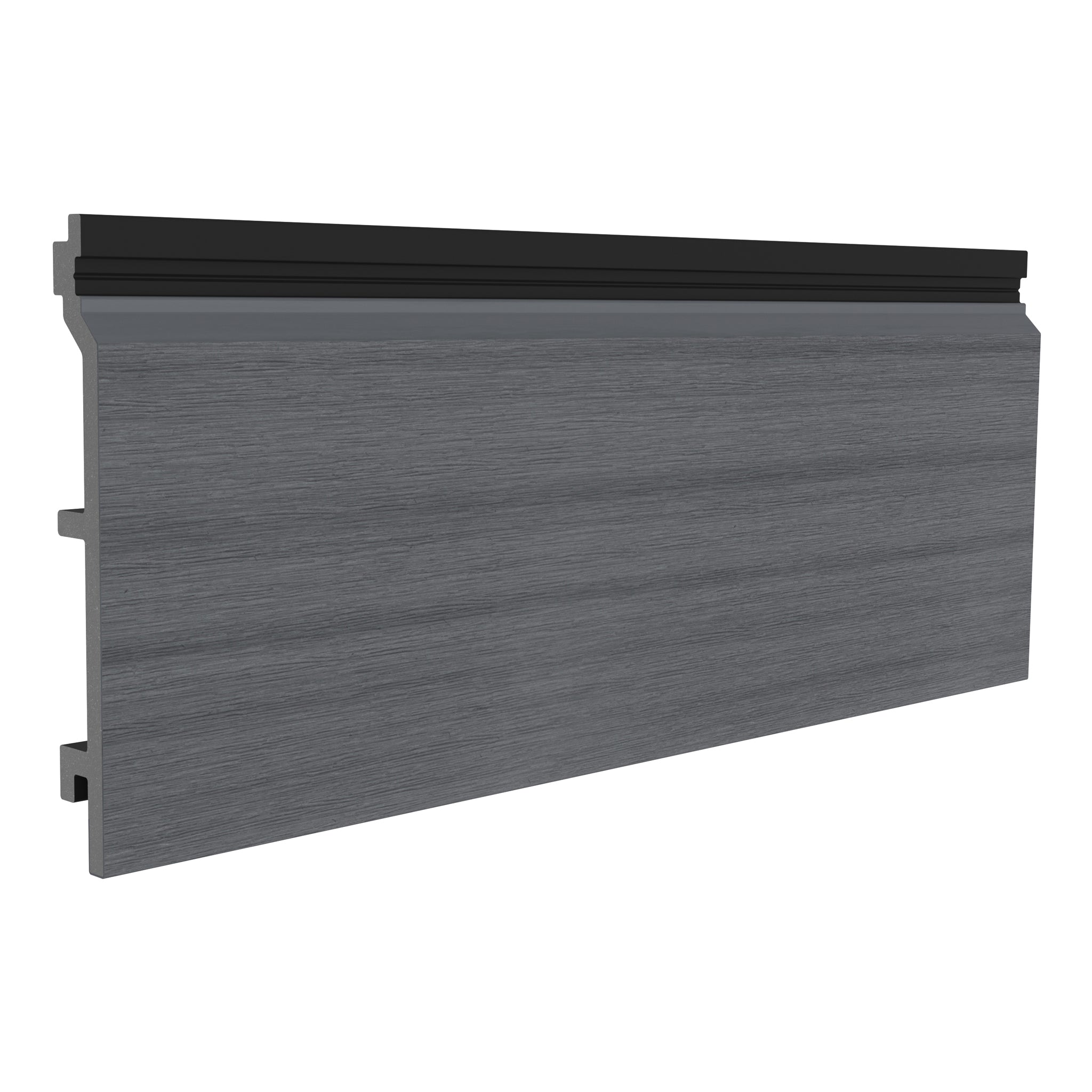
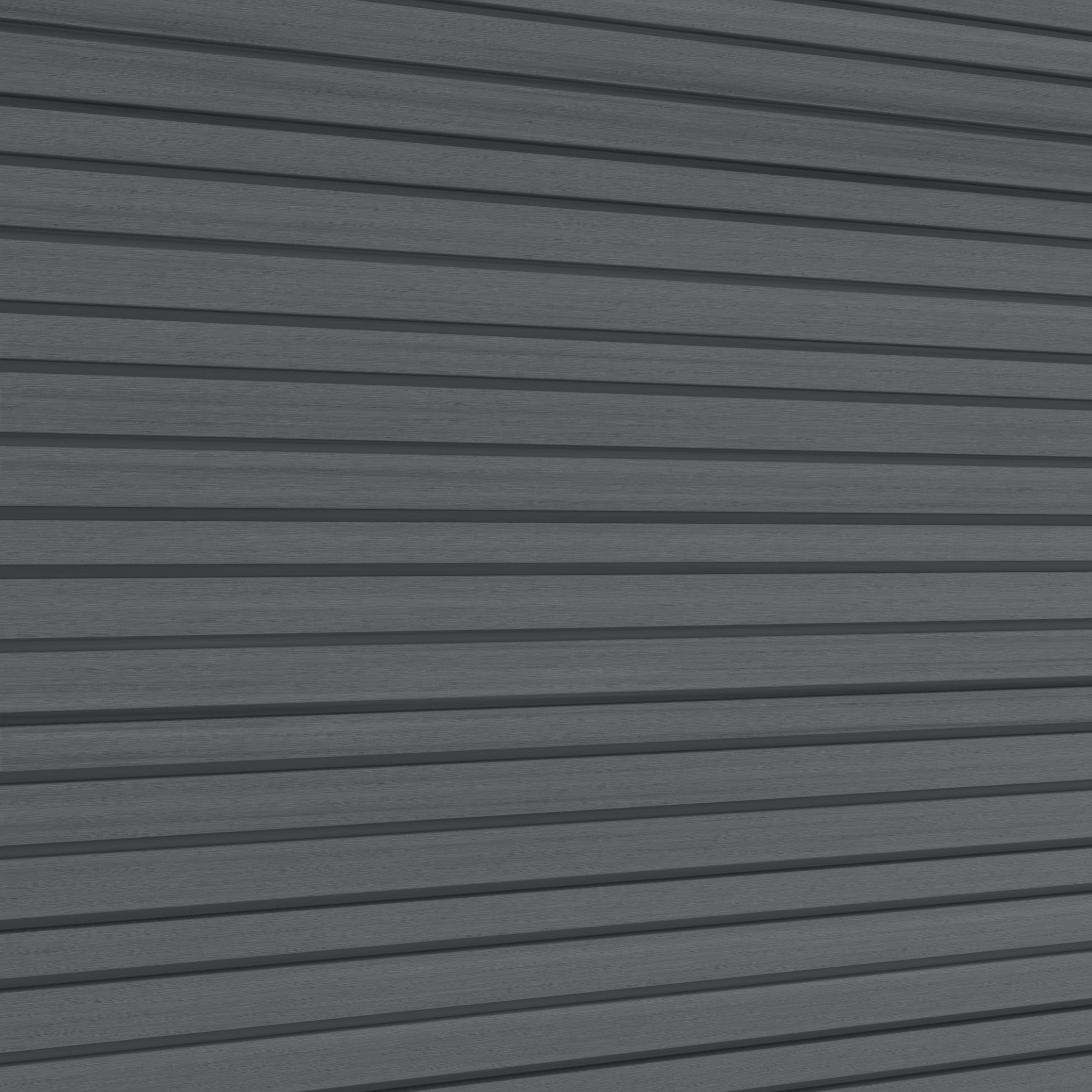
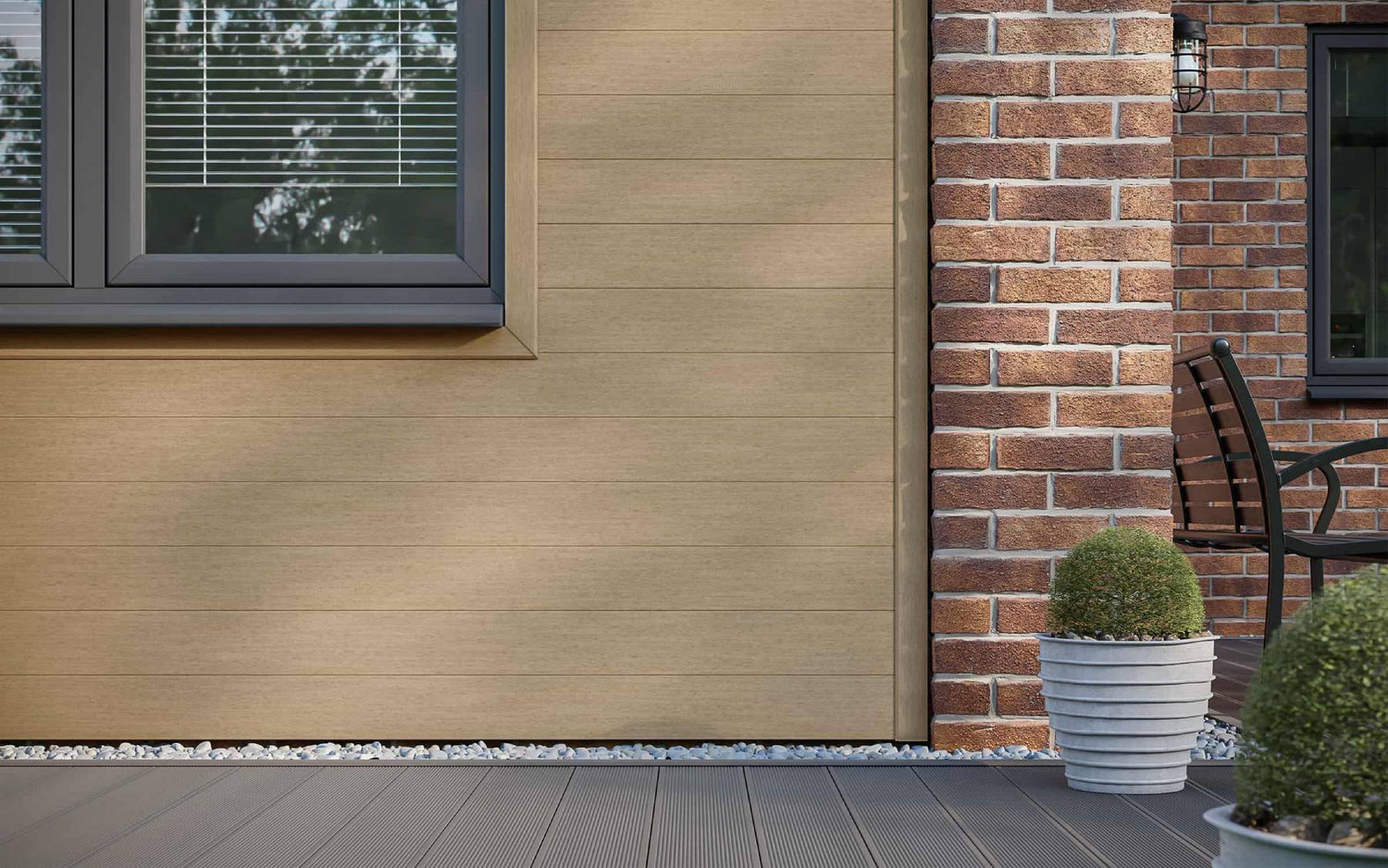
Another huge benefit of composite cladding is its fade resistance. Unlike wood, which can easily lose its colour and lustre over time, composite cladding retains its vibrant hue for years to come. So, if you opt for something like charcoal cladding or grey cladding, you can count on it staying looking sharp year after year.

Wood Cladding: Beautiful But High-Maintenance
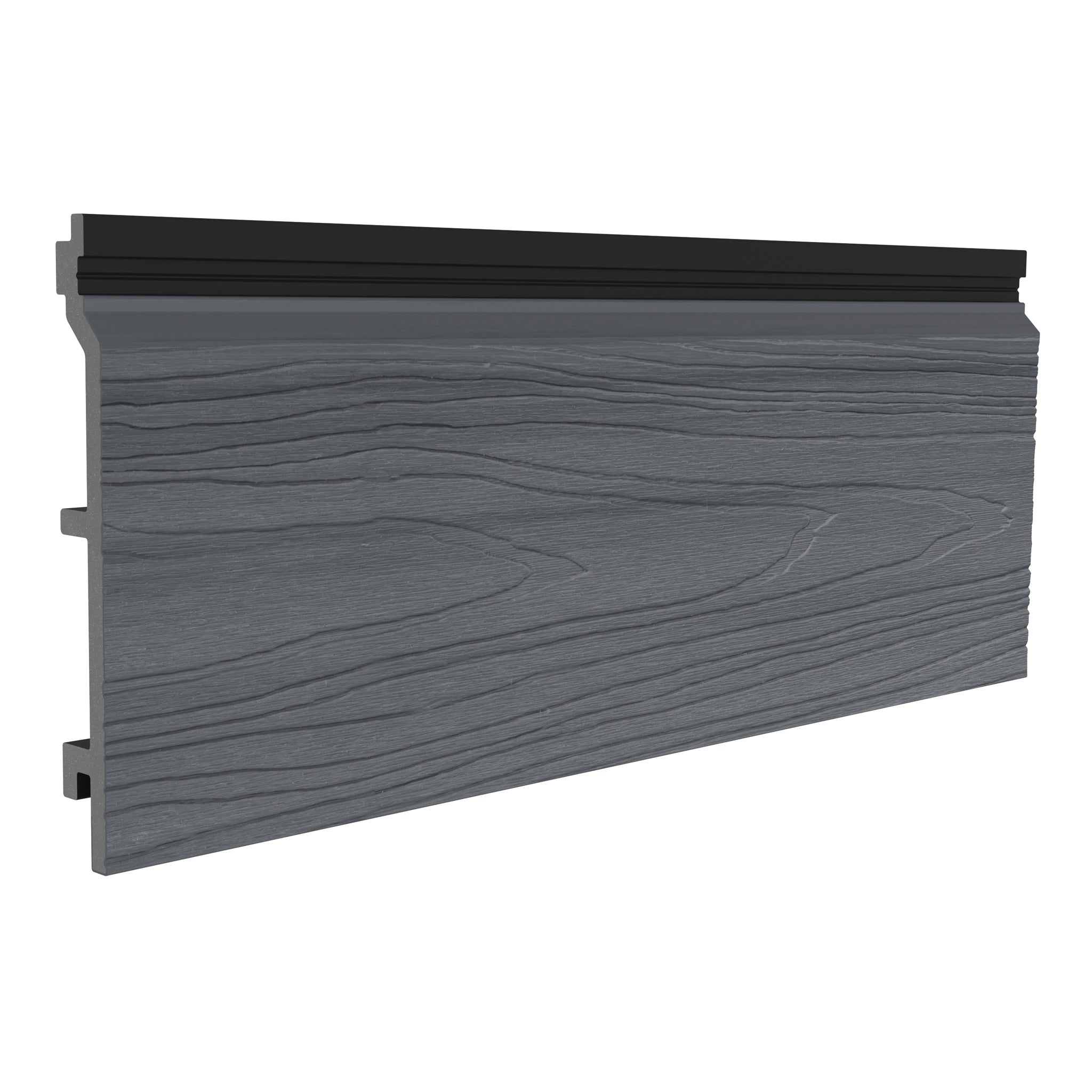
On the flip side, wood cladding has a classic charm. There's something about the natural texture and warmth of wood that makes a house feel inviting and timeless. However, that charm comes with a trade-off – maintenance. Wood is more vulnerable to the elements. It’s prone to rot, warping, and splitting over time, especially if not properly maintained. Without regular staining and sealing, wood can deteriorate more quickly than composite.
But let’s not be too harsh on wood! For homeowners who love the idea of a traditional cladding aesthetic and don’t mind rolling up their sleeves every few years, wood cladding can still be a solid option. Just be prepared to put in the elbow grease.
Weather Resistance: How Do They Hold Up Against The Elements?
Composite Cladding: Weatherproof Panels For The Win
Whether you're facing heavy rain, strong winds, or intense heat, composite cladding is designed to withstand it all. The weatherproof panels are engineered to be resistant to moisture, meaning they won’t swell or rot like wood. Additionally, composite house cladding is less likely to crack or warp when exposed to extreme weather conditions, so you can rest easy knowing your home is better protected against whatever Mother Nature throws at it.
Wood Cladding: Not So Weatherproof
Wood cladding, on the other hand, doesn’t fare as well when it comes to weather resistance. While traditional timber cladding can stand up to the elements for a while, it still requires regular maintenance to maintain its resilience. Over time, exposure to moisture can cause wood to expand and contract, which leads to cracks and splits. Additionally, wood cladding can become a haven for mould, mildew, and pests if not properly cared for. If you live in a particularly humid or rainy area, wood may not be the most weatherproof option.

Maintenance: The Bare Minimum Vs. High Maintenance
Composite Cladding: Low Maintenance, High Satisfaction
If you're a fan of the “set it and forget it” lifestyle, composite cladding is the way to go. One of its biggest advantages is its low-maintenance nature. Composite doesn't require the same level of care as wood. There's no need for regular staining, sealing, or painting to keep it looking its best. A quick rinse with soapy water is often enough to keep your house cladding clean and in good condition.
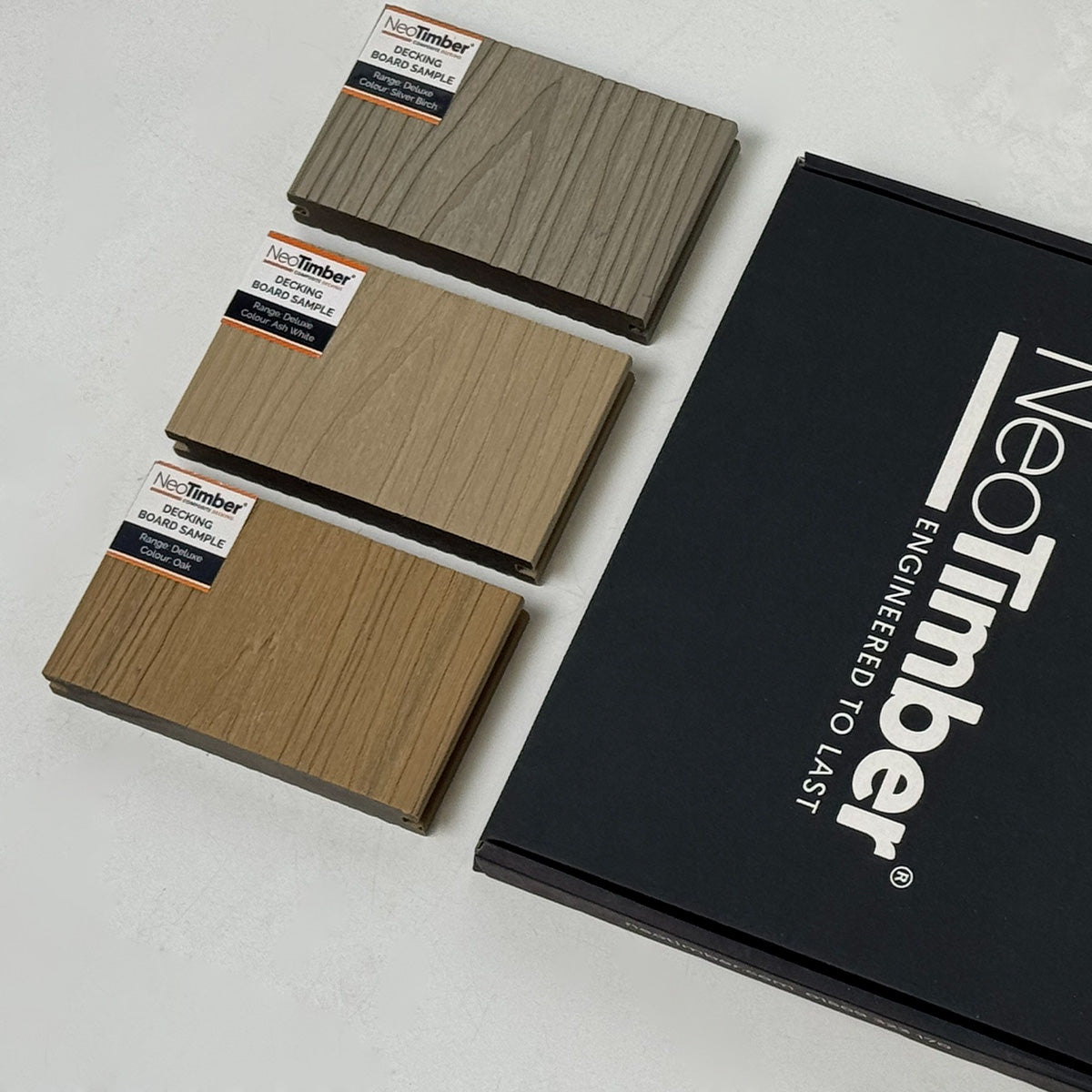
In fact, many NeoTimber® composite cladding products come with a 25-year warranty, ensuring long-lasting performance and minimal upkeep. So, if you’re looking for a low-maintenance option that still looks great, composite is a winner.
Wood Cladding: The Demanding Beauty
Wood, on the other hand, requires more attention. While it’s beautiful when maintained, it’s more susceptible to weathering and wear. Expect to spend time and money on regular treatments, including staining, sealing, and even replacing damaged boards. The upkeep isn’t terrible, but it does demand attention. If you’re the type of homeowner who enjoys the process of caring for your house cladding, wood may appeal to you. But if you’d rather spend your weekends lounging than sanding and staining, wood might not be your ideal choice.
Eco-Friendliness: Is One Greener Than The Other?
Both composite and wood cladding can be eco-friendly choices, but in different ways. Wood cladding is natural and biodegradable, so sustainable forestry practices are a must to ensure that the wood you choose doesn’t contribute to deforestation.
On the other hand, composite cladding is often made from recycled materials, making it an eco-conscious timber alternative. So, if reducing your carbon footprint is a priority, composite can be an excellent option, especially when paired with a commitment to recycling and responsible sourcing.
Conclusion: Which One Is Right For You?
So, when it comes down to it, which material reigns supreme? If you're looking for a durable, low-maintenance option that can withstand the elements with minimal upkeep, composite cladding is probably the way to go. On the other hand, if you're willing to put in the work and love the natural aesthetic of wood, wood cladding can still be a beautiful choice.
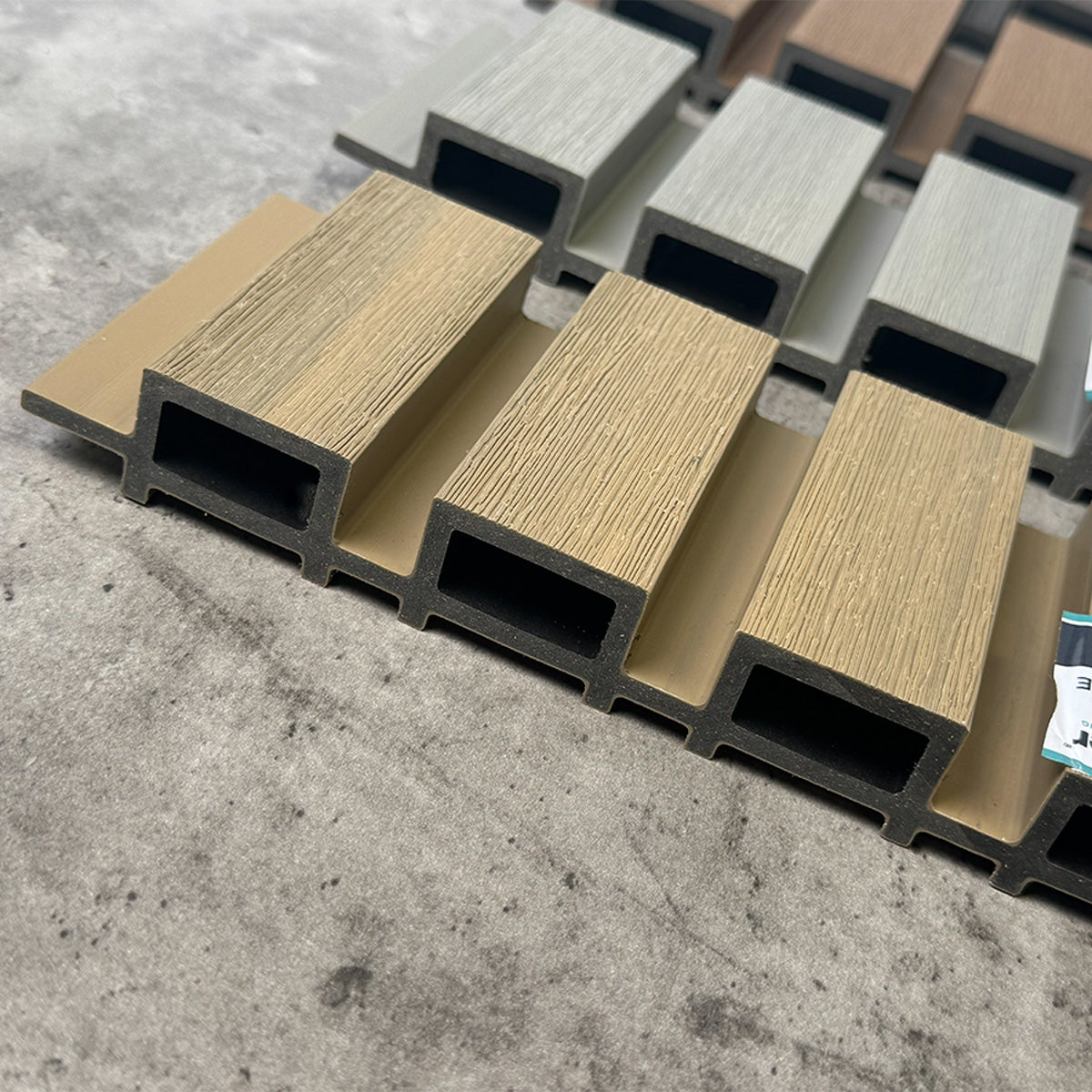
For homeowners who want the best of both worlds – durability and aesthetic appeal without the hassle – NeoTimber® offers a range of composite cladding options. And, they offer the beauty of wood but come with the added benefits of being weather-resistant, low-maintenance, and eco-friendly.
Whichever you choose, whether deluxe cladding or slatted cladding, just remember that your house cladding is more than just an exterior. It’s the armour that protects your home and the first thing people see when they walk by. Make it count!