

Why Wall Cladding Is No Longer Just For Your Home’s Exterior
Once upon a time, wall cladding was all about the outside. A tidy façade. A sleek finish. A protective outer layer. But now? It’s equally at home on the inside. From spa-style bathrooms to statement hotel lobbies, wall cladding has officially made its way indoors.
So what’s the real difference between interior and exterior wall cladding? How do materials, styles, and uses vary? And what should you consider when designing with cladding inside or out?
What Is Wall Cladding?
Wall cladding is the process of covering a building’s wall with another material to create a durable, decorative or protective finish. It’s used across architectural projects to improve performance and aesthetics – whether you're cladding a rustic outbuilding or the walls of a high-end showroom.
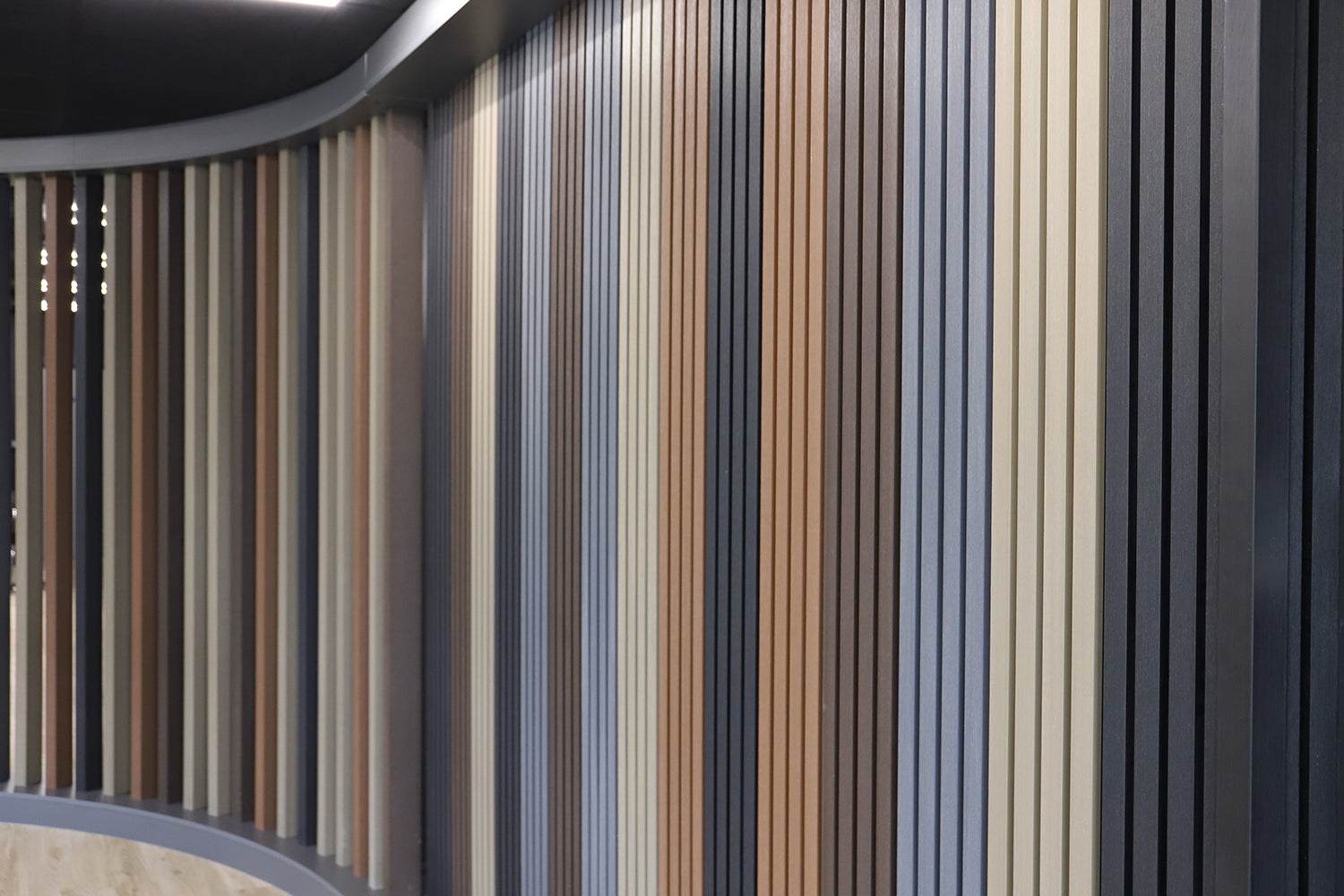
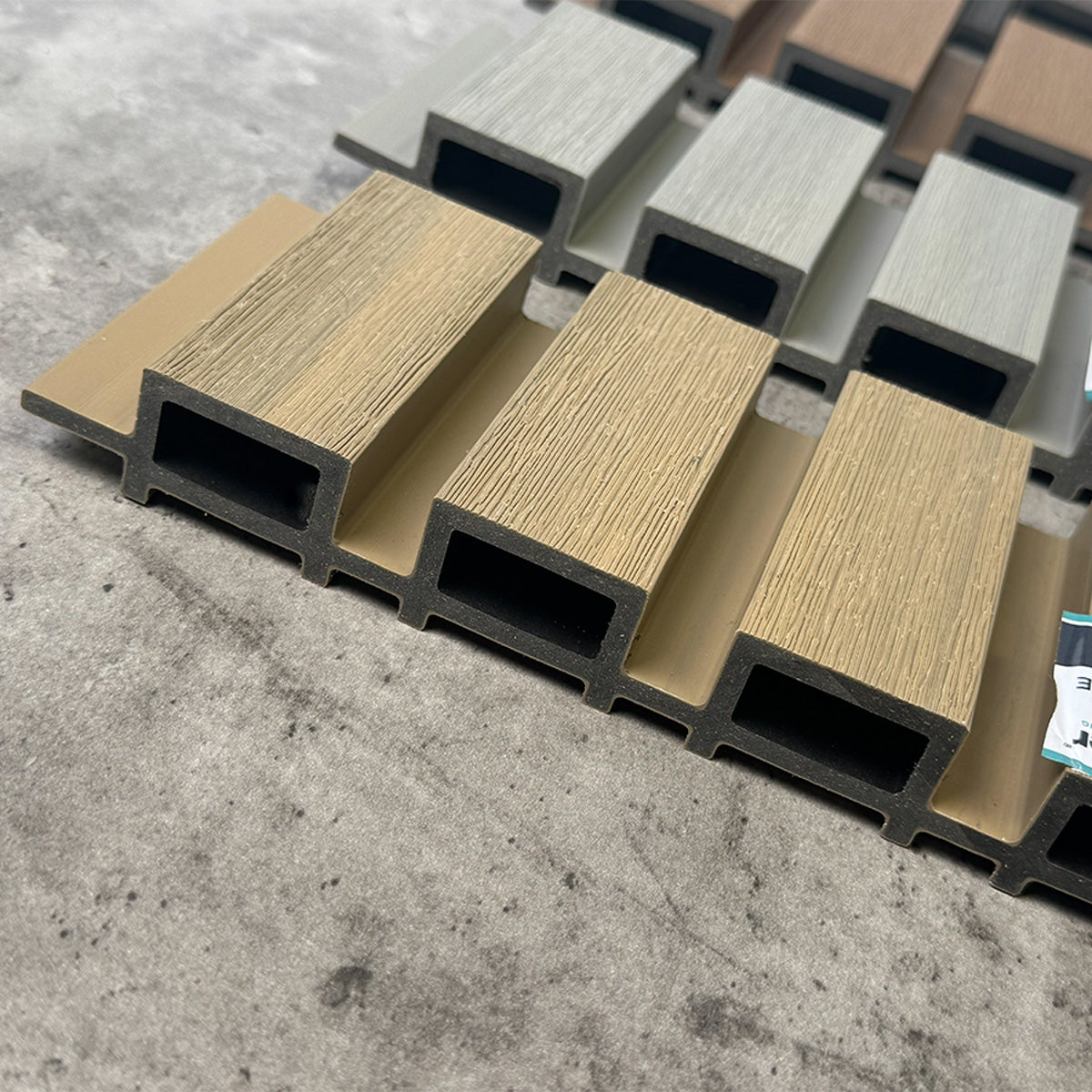
The material you choose – and where you put it – makes all the difference. Indoors or out, wall cladding is available in a wide range of styles, colours and formats, from modern slatted cladding to sleek vertical cladding in cool tones or timber-inspired finishes.

Interior Wall Cladding: Design Meets Practicality
Interior wall cladding is growing rapidly in popularity. From enhancing the look of residential spaces to elevating high-end commercial interiors, it brings depth, texture and character to otherwise plain walls. It can also conceal uneven plasterwork or awkward architectural features.
Common indoor applications include:
- Bedrooms and hallways.
- Feature walls in dining rooms or open-plan kitchens.
- Reception areas in retail and commercial spaces.
- Wellness studios and hotel lobbies.
- Restaurants with timber-look cladding in a modern-rustic theme.
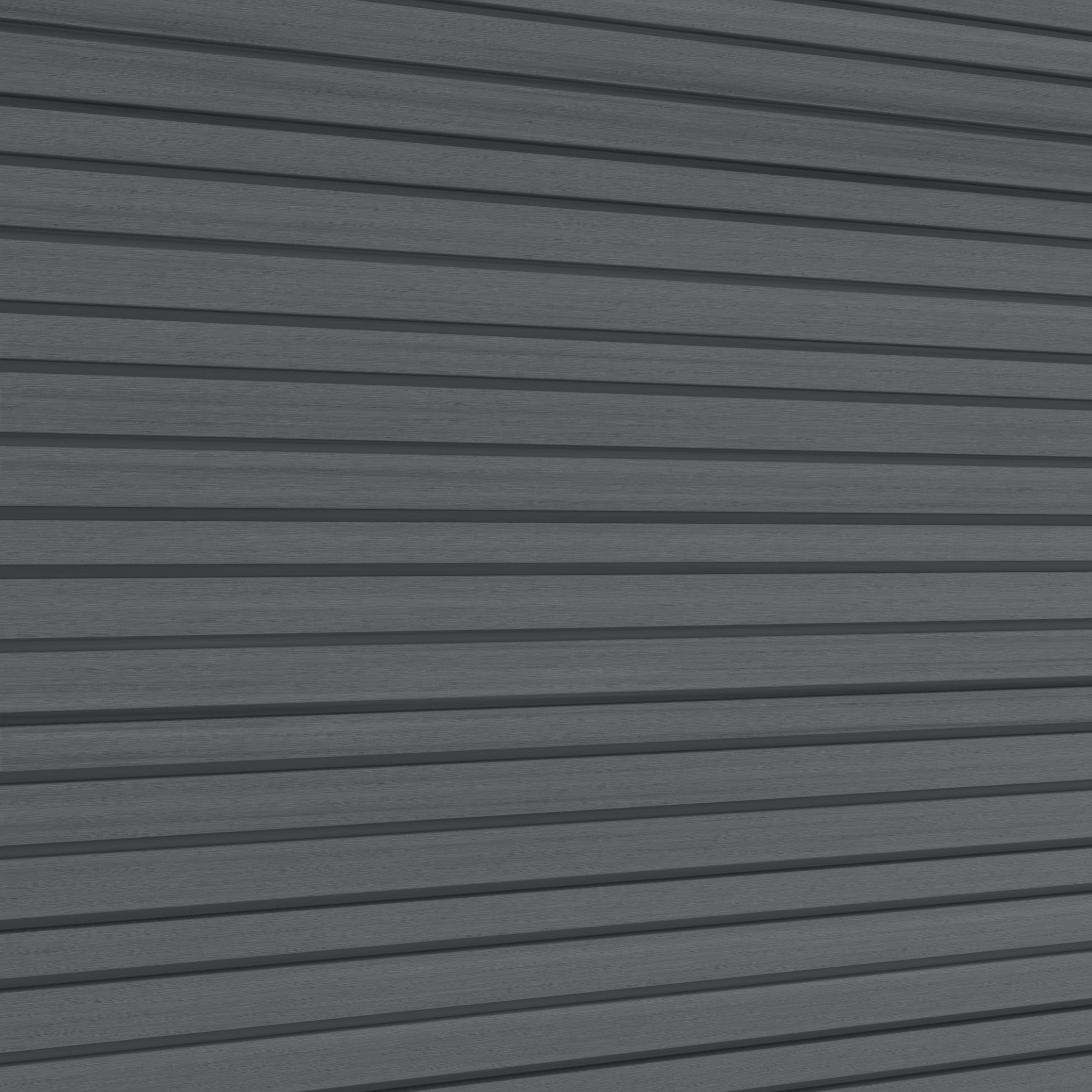
Decorative and functional, interior wall cladding is often lightweight and easy to install. Styles like the classic range can help define zones within open-plan areas or bring warmth to minimalist spaces. Colours such as ash white cladding, teak finish or charcoal cladding let you customise the tone and mood.

Exterior Wall Cladding: Function With Flair
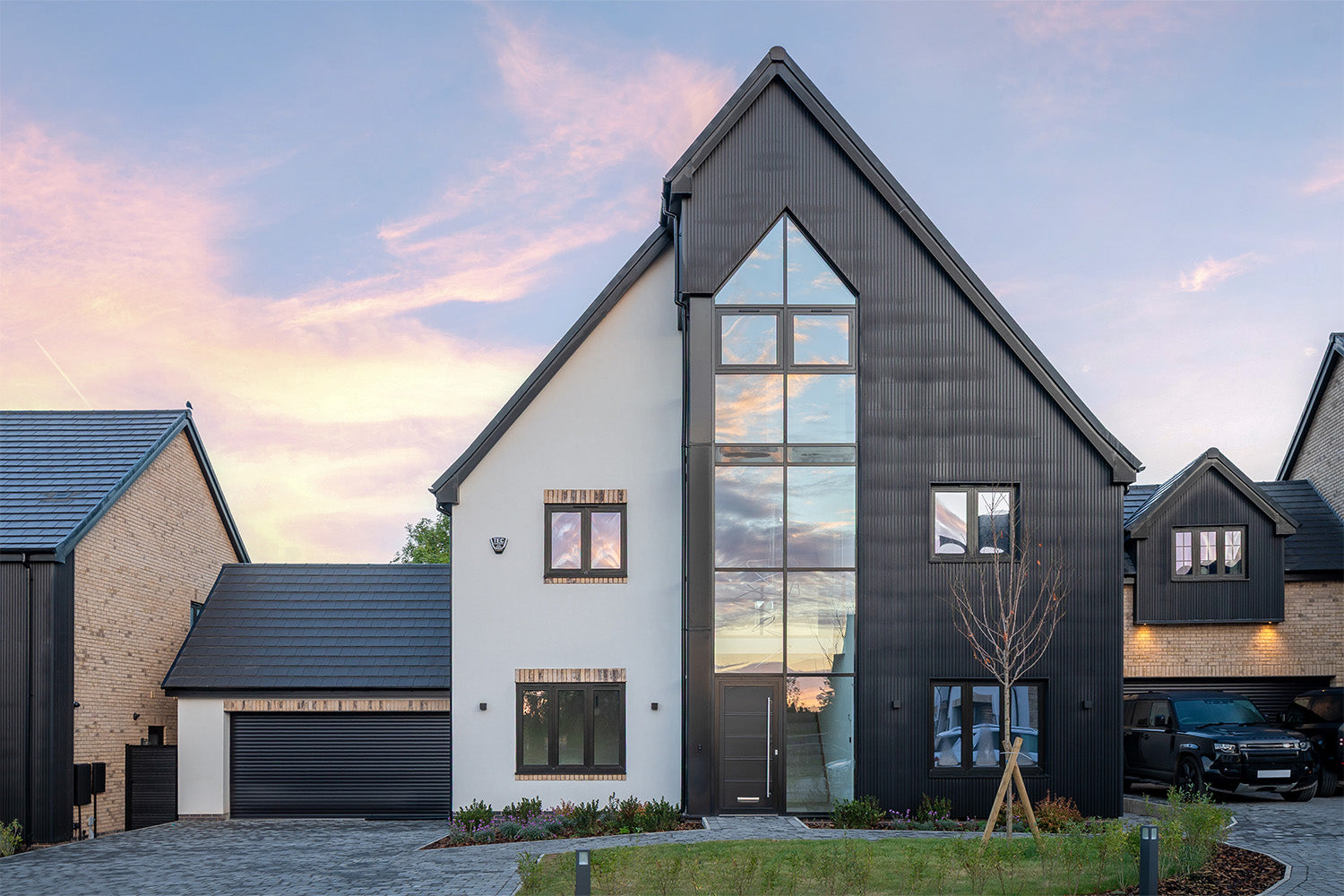
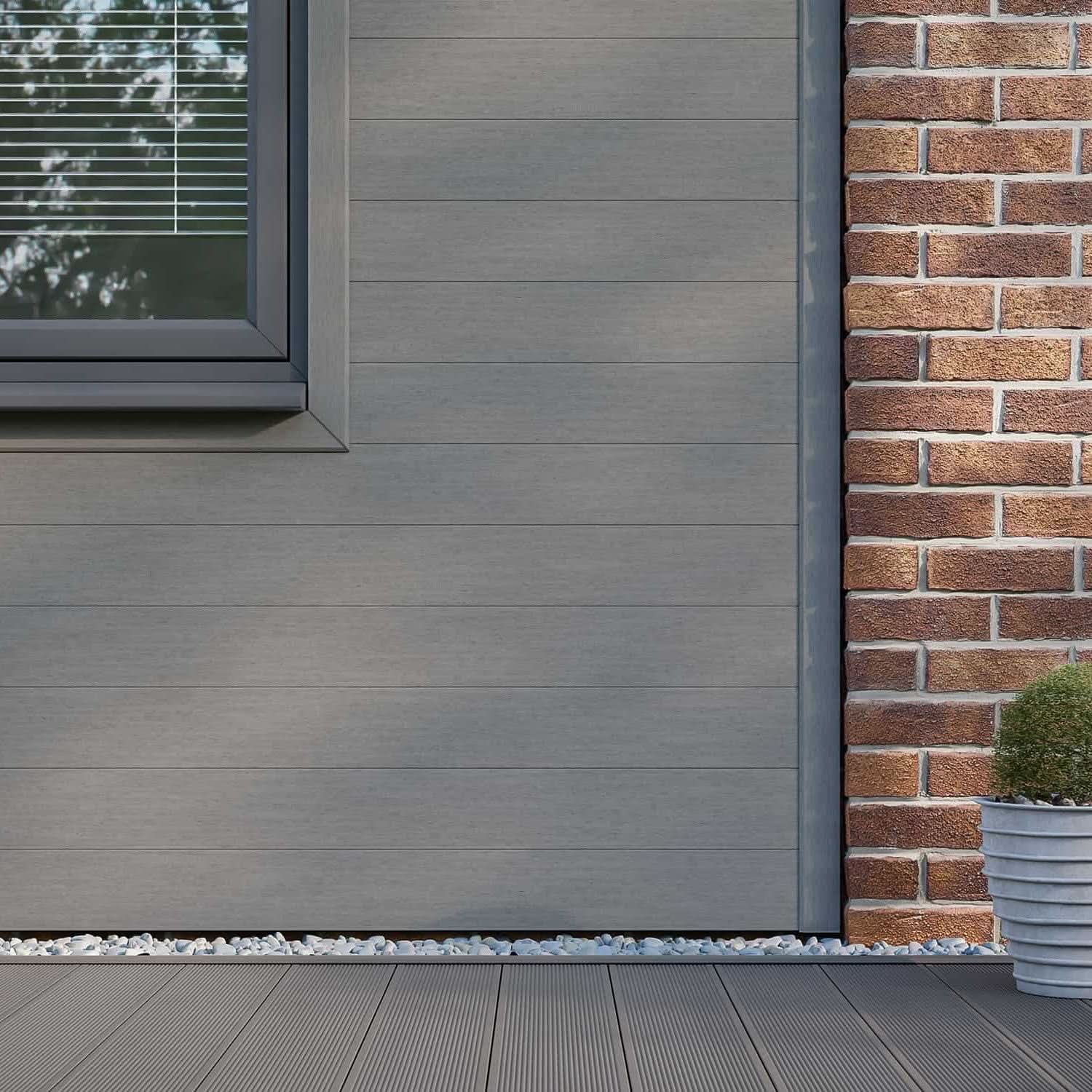
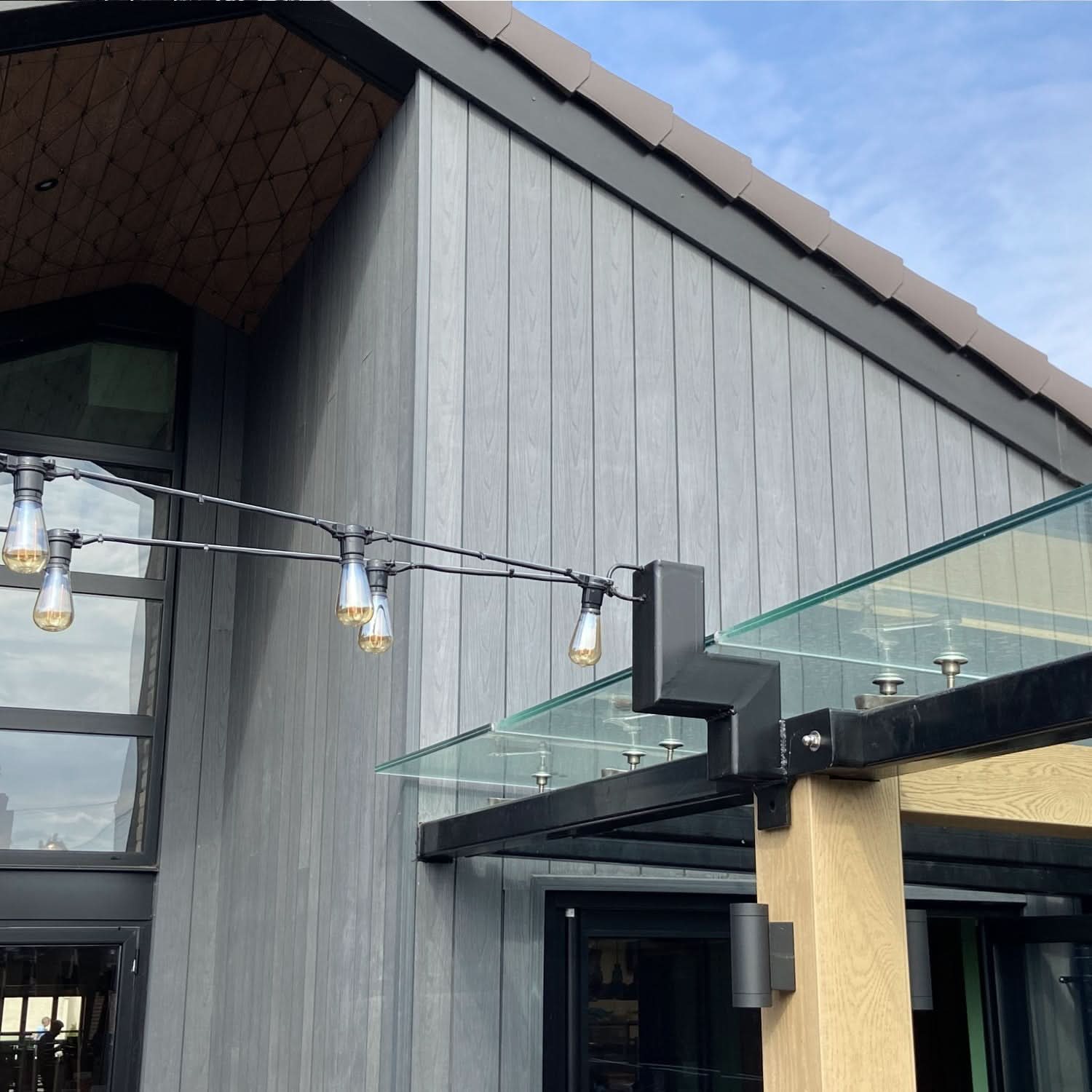
On the outside, wall cladding serves a tougher purpose. It must endure constant exposure to the elements – especially the joys of British weather, with its rain, frost, and sudden sunshine. It protects the structure underneath from moisture and temperature fluctuations while contributing to the building’s overall design.
Exterior cladding is frequently found on:
- Residential façades and extensions.
- Garden walls and outbuildings.
- Apartment complexes and public buildings.
- High-end retail exteriors.
- Architect-designed homes and wellness centres.
Because of its protective role, exterior wall cladding materials must be more robust. They should include weatherproof panels, a fire-rated option, and ideally offer fade resistance. Colours such as grey cladding, oak effect, or antique finish offer contemporary or traditional aesthetics depending on the build.
Interior Vs Exterior: What's The Difference?
While both serve a similar purpose, interior and exterior wall cladding differ in function and performance. Indoors, cladding is used decoratively in areas like bedrooms, staircases, reception areas, boutique interiors, and commercial spaces. Materials are lightweight and typically mounted to simple substructures.
Exterior cladding, however, must defend against harsh British weather – rain, UV rays, temperature changes, and general wear. It’s commonly found on façades, outbuildings, garden studios, apartment blocks, and commercial buildings, where durability, fire safety, and resistance to moisture are key.
And while a timber-effect panel might look perfect behind your sofa, it may not survive a year of outdoor exposure – unless, of course, you're working with good-quality composite cladding.

Creating Consistency In Outdoor Spaces
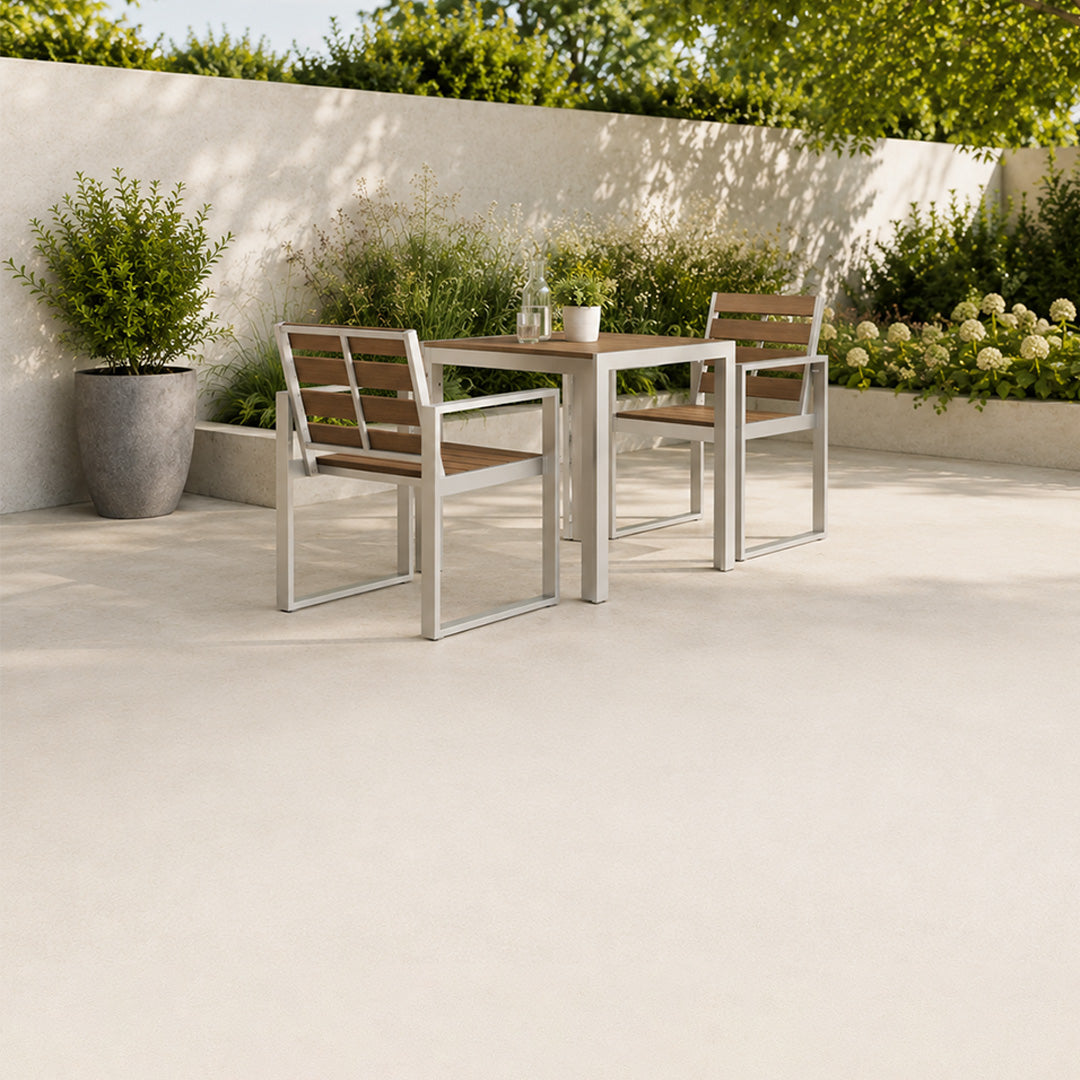
Outdoor design isn't just about choosing the right paving or planting – it’s about visual harmony. Wall cladding plays a key role in tying outdoor elements together, echoing the tones and textures of decking and fencing to create a seamless look.
NeoTimber® coordinated ranges make it easy to achieve that flow, creating outdoor settings that feel intentional, cohesive, and built to last.
Design Tips For Interior And Exterior Wall Cladding
- Use contrast – Combine slatted panels with smooth finishes.
- Go vertical – Vertical cladding makes walls appear taller.
- Stick to your theme – Match wood colour options to flooring or furniture.
- Layer materials – Mix cladding with stone, metal or render.
- Keep it practical – Choose low-maintenance options for busy areas.
Composite Cladding: NeoTimber® Has A Solution
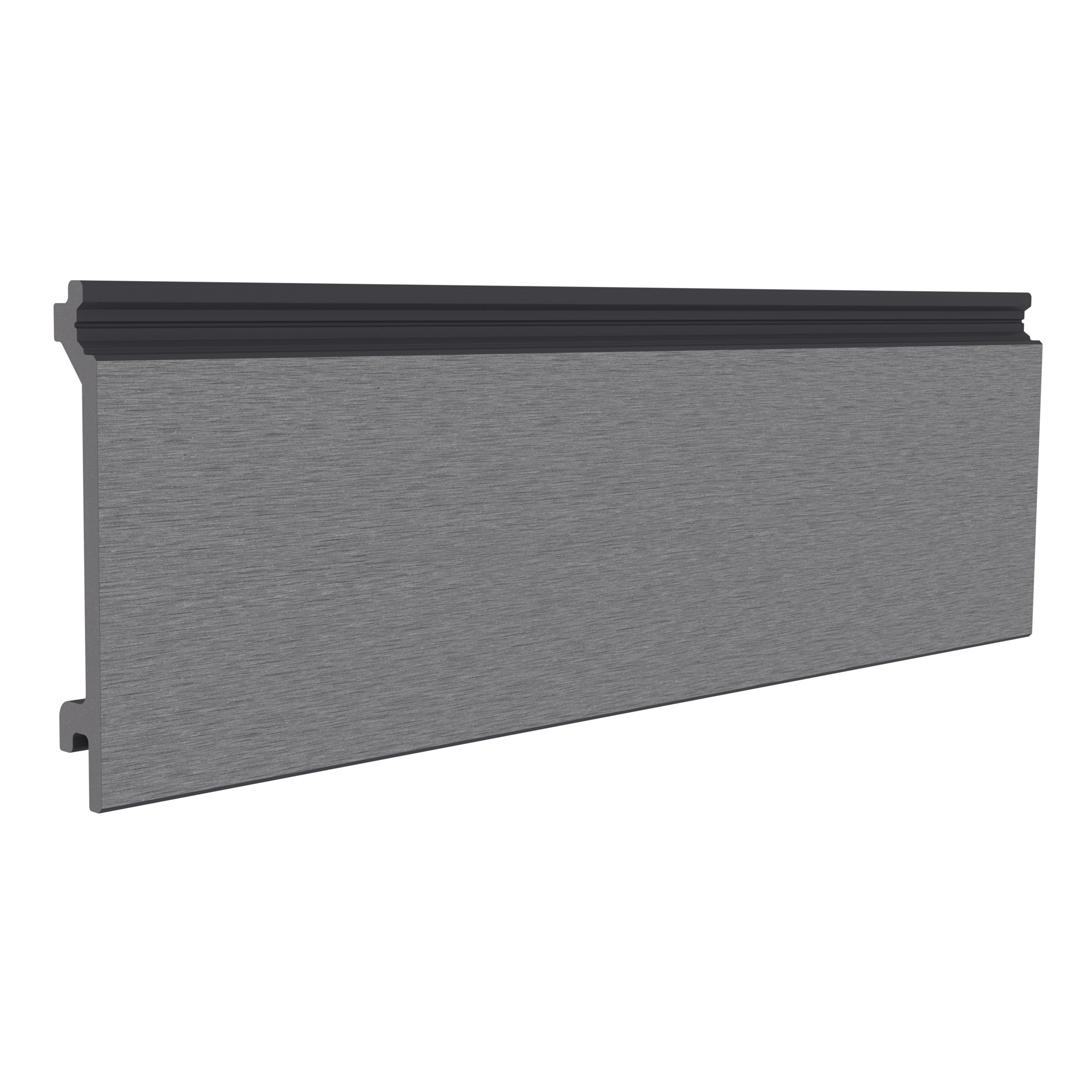
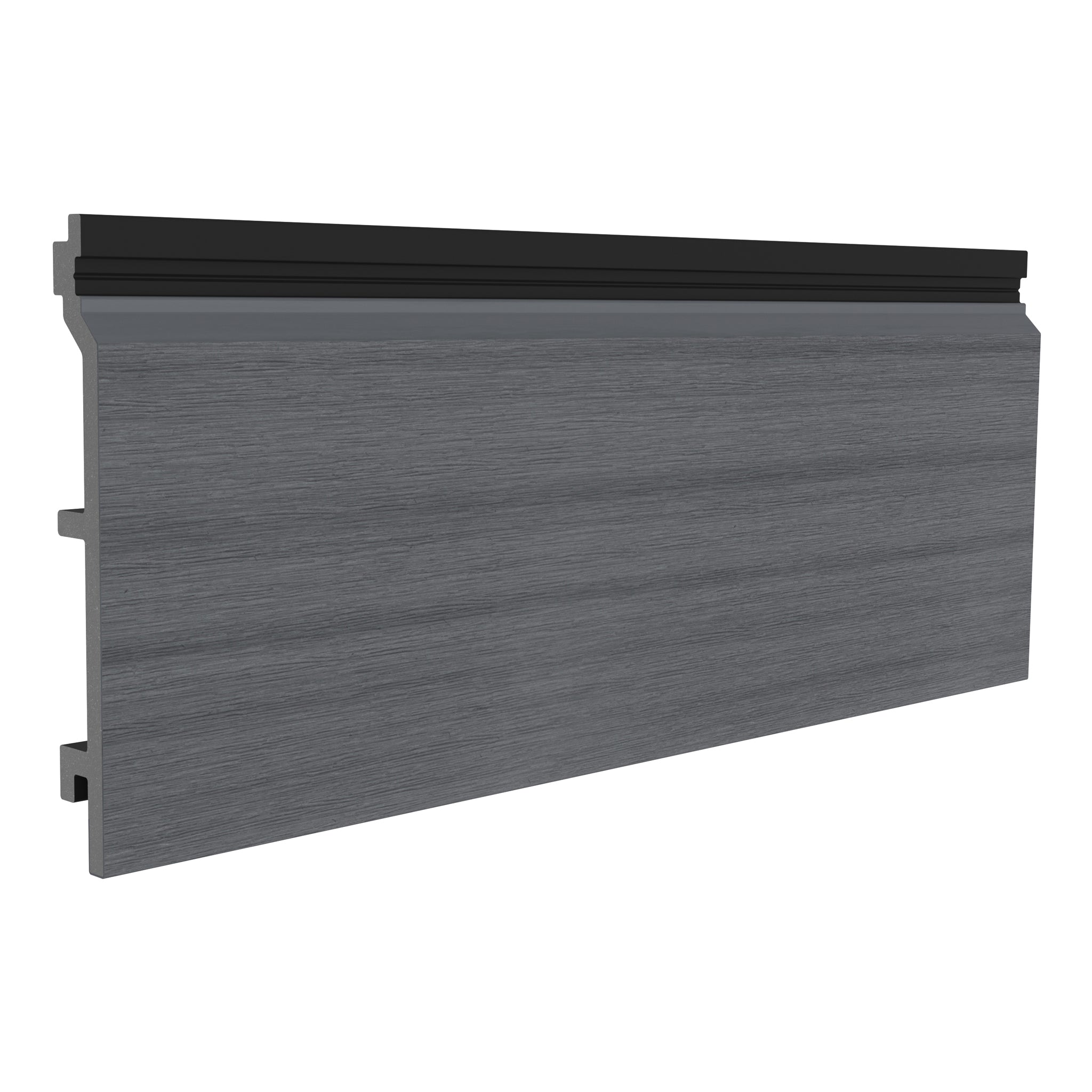
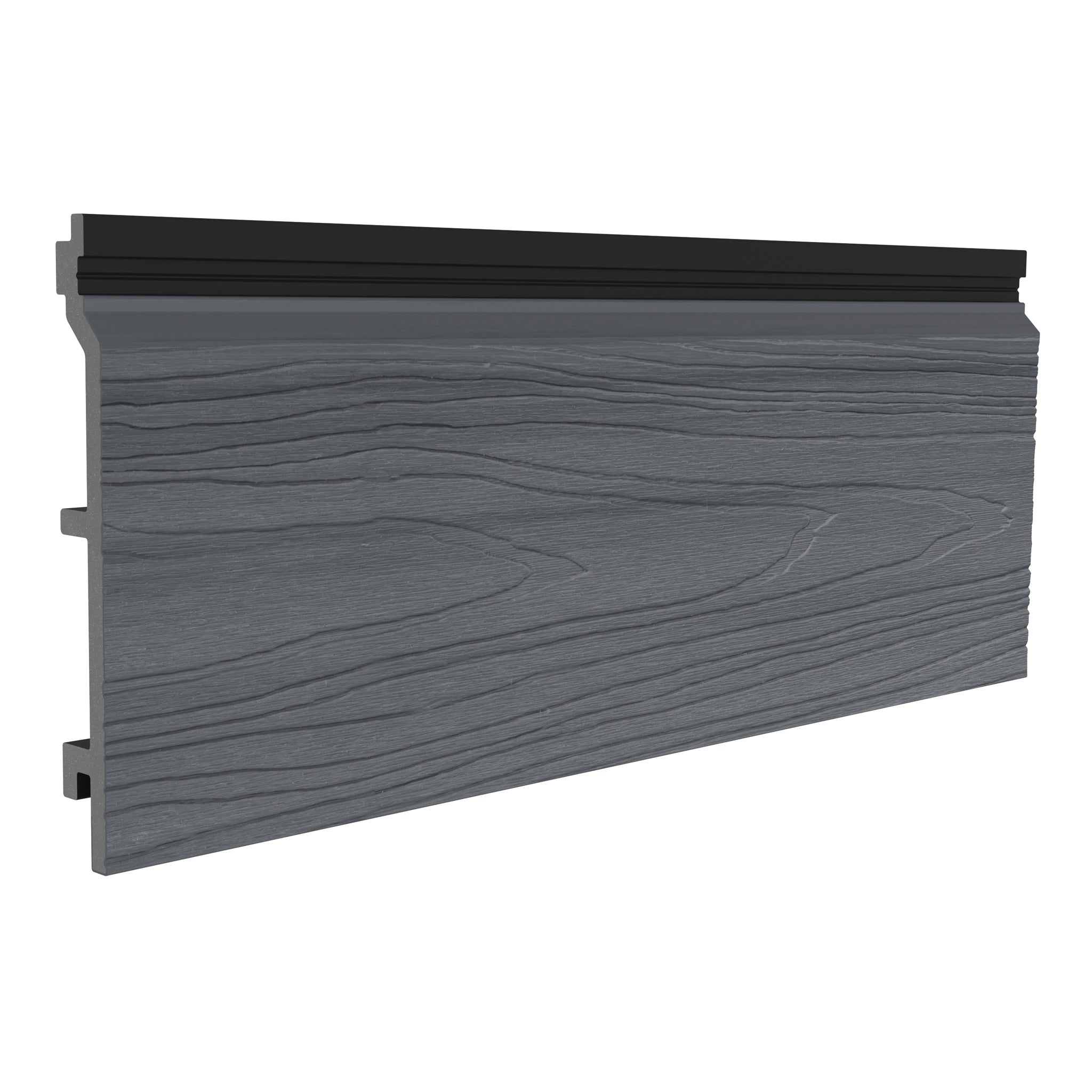
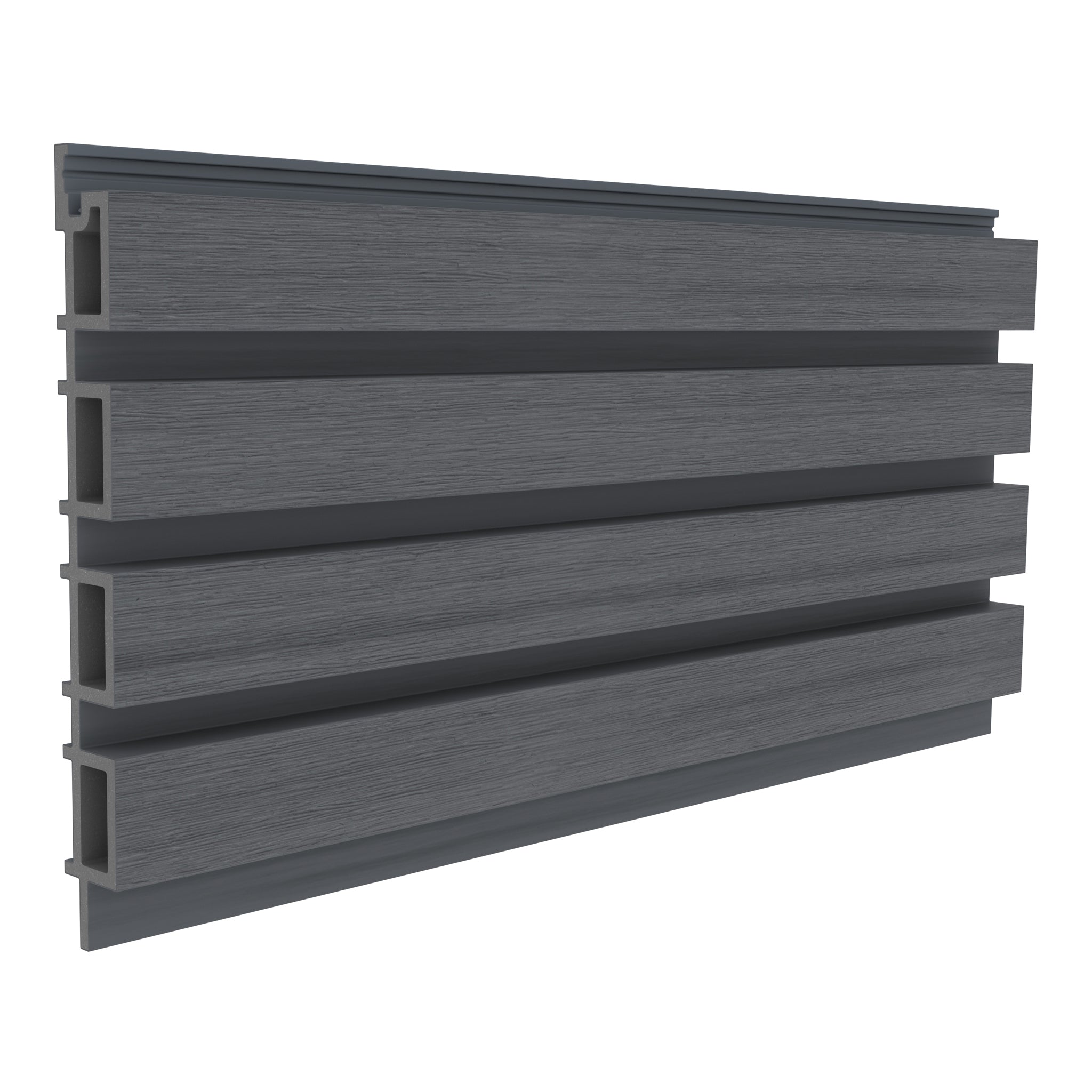
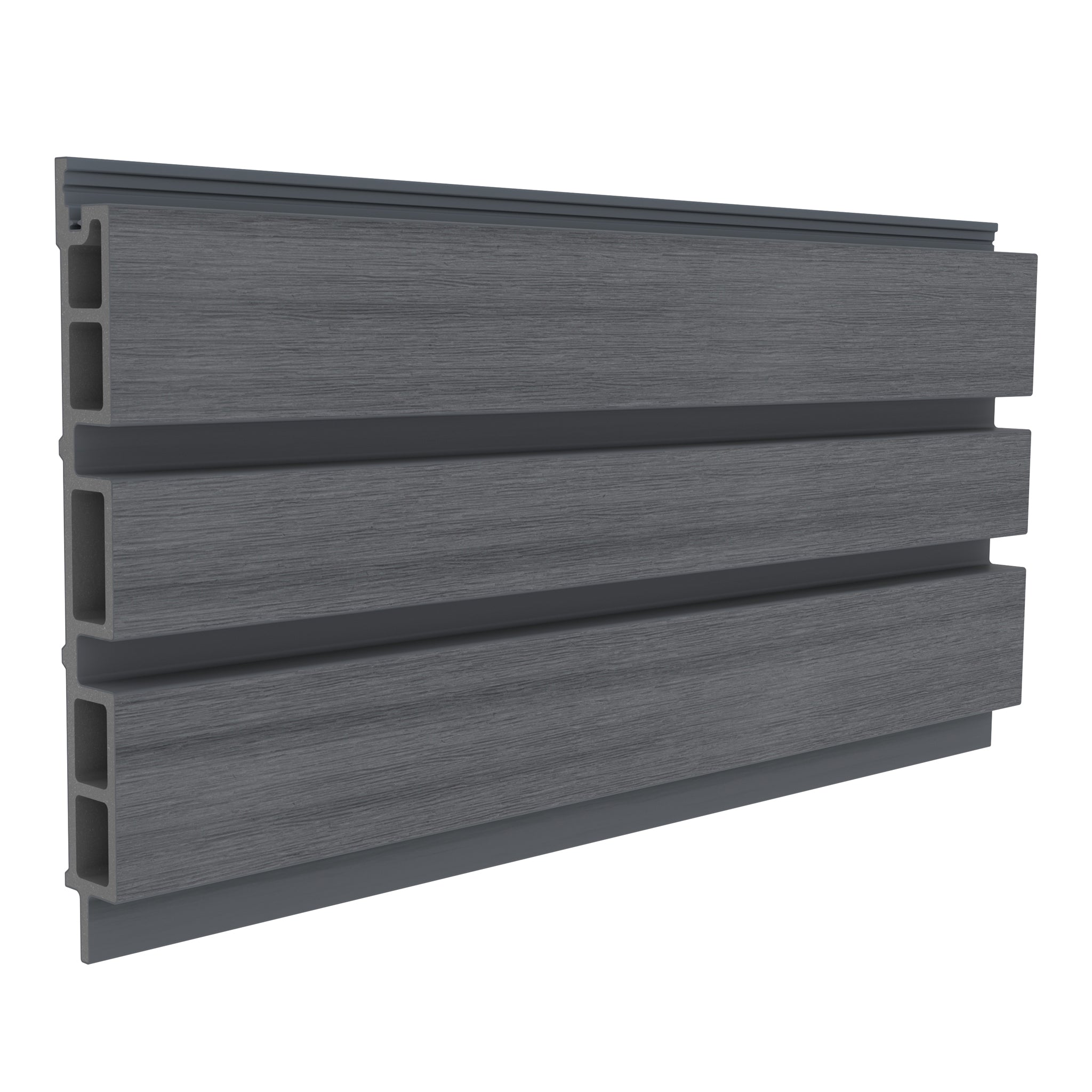
NeoTimber® composite cladding blends form, function and finish. Made from recycled wood fibres and polymers, it delivers the appearance of timber without warping, splintering or rotting. You can also choose fade-resistant and fire-rated options.
Ideal for:
- Residential use indoors and outdoors.
- Commercial cladding in retail and hospitality.
- Boutique studios, wellness spaces, and apartment façades.
- Feature walls, ceilings, and custom shopfitting.
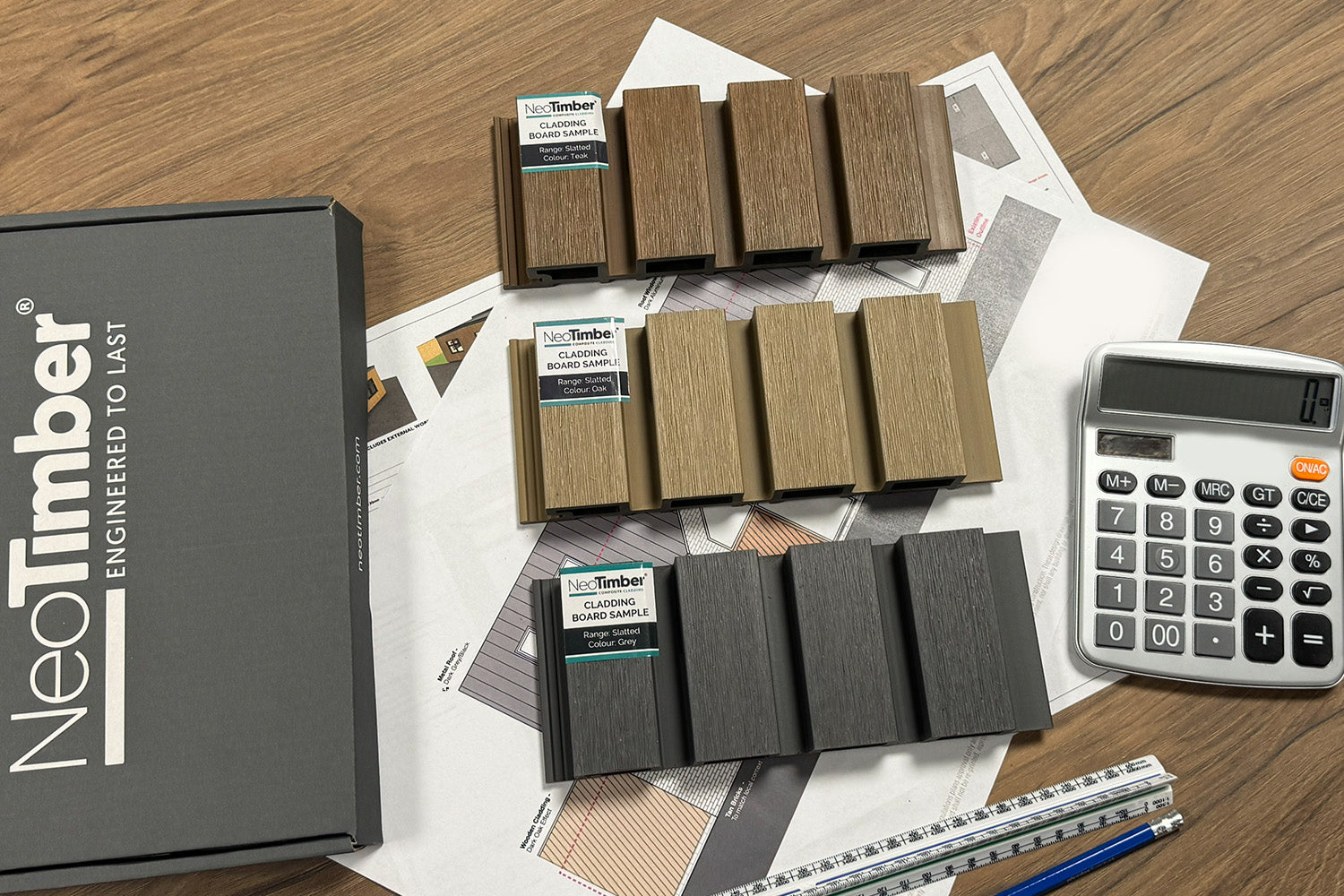
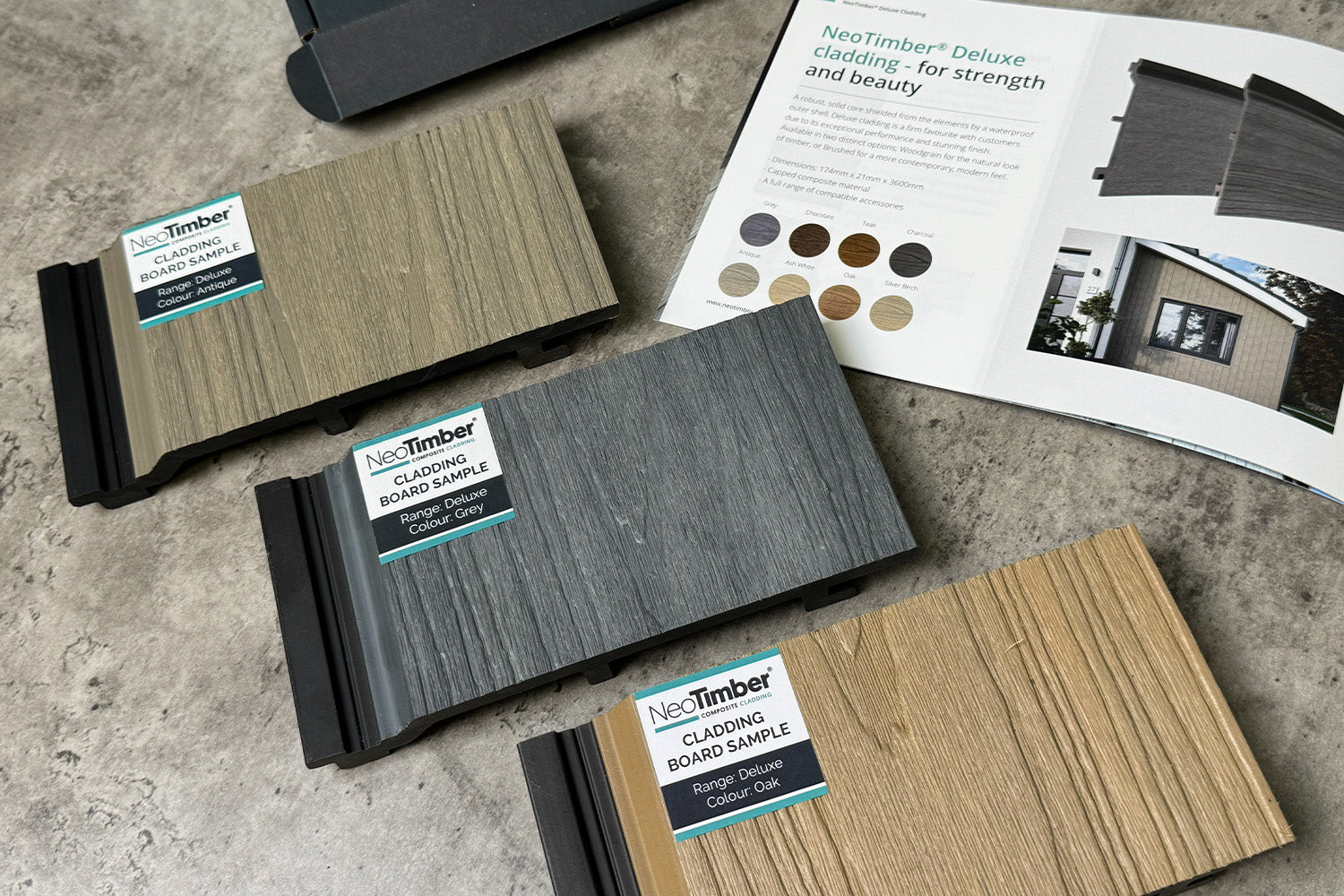
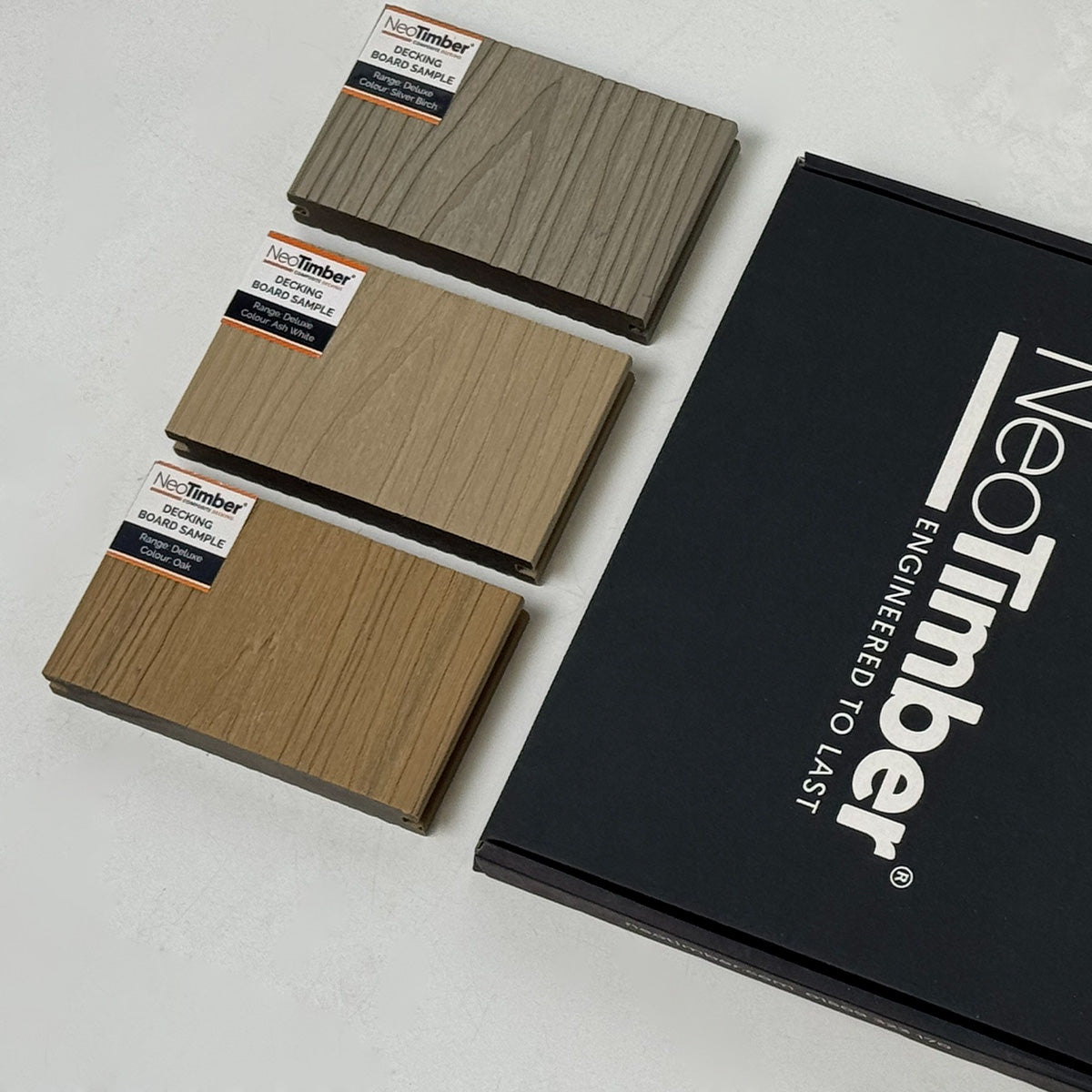
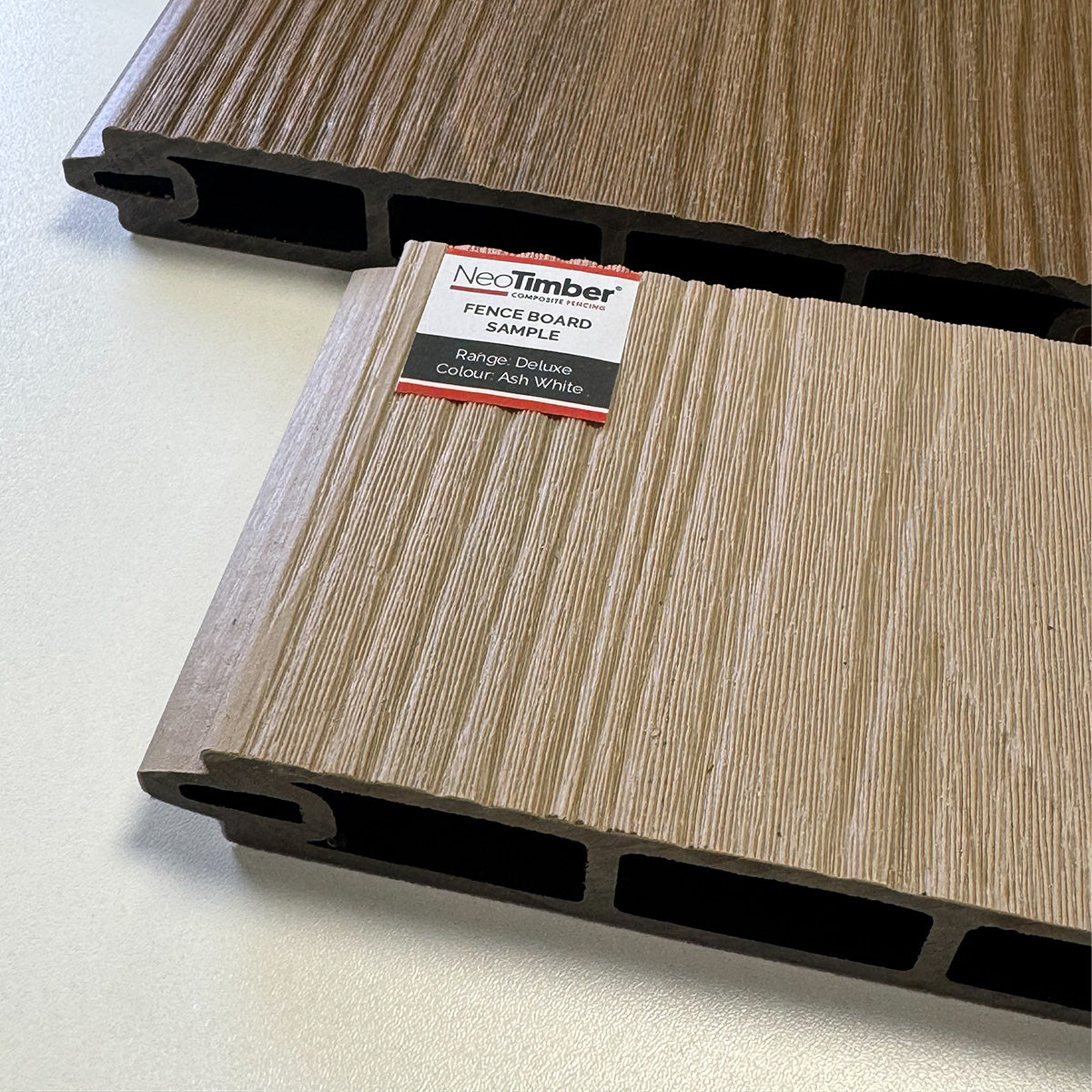
NeoTimber® offers classic boards, deluxe cladding, and composite samples in a wide range of colours. With cladding kits and accessories, installation is simple and efficient.
All products come with a 25-year warranty for residential use and a 10-year warranty for commercial applications.
Final Thoughts On Wall Cladding
Whether you’re building a garden office, cladding a boutique hotel interior, or refreshing your home’s exterior, wall cladding is no longer one-size-fits-all. With durable, stylish and easy to install solutions like NeoTimber® composite cladding, you can create cohesive design that works beautifully inside and out.